次々に続くもの、一連
noun 名詞人・車・出来事などが次々に現れたり通過したりする連続を指す。a procession of visitors や a procession of cars の形が典型で、儀式として進む行列ではなく、途切れず続く一連のものに焦点を置く。
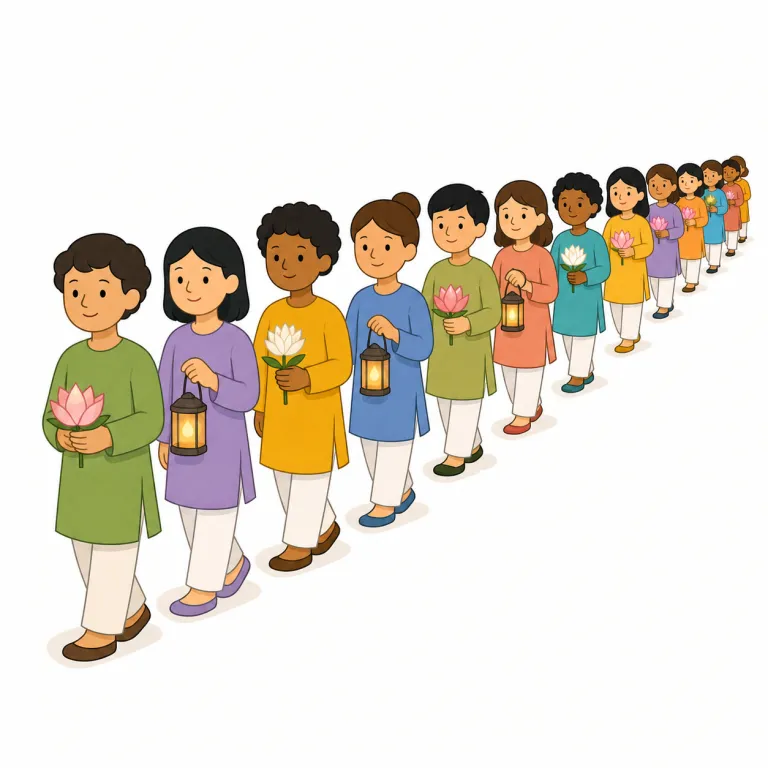
procession は英検準1級レベルの英単語で、「行列」という意味があります。発音記号は /proˈsɛʃən/ です。
行列は、儀式や公式な行事で整然と並んで進む人々の列です。結婚式、葬儀、パレードなどで見られます。秩序と形式が重要な特徴です。
A procession is an organized line of people or vehicles moving forward together. It is often seen in ceremonies, festivals, funerals, or religious events. The word usually suggests a formal or special occasion rather than an ordinary crowd.
process を「手順が進んでいく流れ」と知っていると、procession は「人が順に進んでいく列」とつながります。特に wedding procession, funeral procession のように、儀式的で整然とした行列に使う語で、ただ人が多いだけの line や crowd とは違います。march が「行進する動作」寄りなのに対し、procession はその列全体を名詞で見る感覚。厳かな場面を思い浮かべると定着しやすいです。
Start with the word `process`: a process moves forward step by step. A `procession` is like people moving forward in order, step by step, as one line. Think of formal phrases like `wedding procession` or `funeral procession`, not just any crowd.
A long procession of people walked down the street.
長い行列が通りを歩いていた。
The funeral procession moved slowly through the city.
葬儀の行列は市街地をゆっくり移動しました。
The wedding procession began with the bridesmaids.
結婚式の行列は介添人から始まりました。
この語をはじめて出題された 34人 のうち 18人 が正解しました(53%)。
えいたんごクイズの回答から集計した独自データです。1人につき最初に出題されたときの1回だけを数えており、復習や2回目以降の回答、「わからない」と時間切れは含みません。 集計時点は 2026年9月19日 です。
文脈によって、次の意味でも使われます。
人・車・出来事などが次々に現れたり通過したりする連続を指す。a procession of visitors や a procession of cars の形が典型で、儀式として進む行列ではなく、途切れず続く一連のものに焦点を置く。
古フランス語 procession、さらに後期ラテン語 processio「前へ進むこと」から来た語で、pro-「前へ」+ cedere「進む」に分けられます。もとは単なる「前進」ですが、人が順に進む場面に使われて「行列」に定着したと考えると分かりやすく、関連語に proceed と process があります。
Procession came into English through Old French from Late Latin processio, meaning "a going forward." It is built from pro- "forward" and cedere "to go, move." The idea first was simple forward movement, then it became used for people moving one after another in order. Related English words include proceed and process.
この英単語をクイズで覚えよう