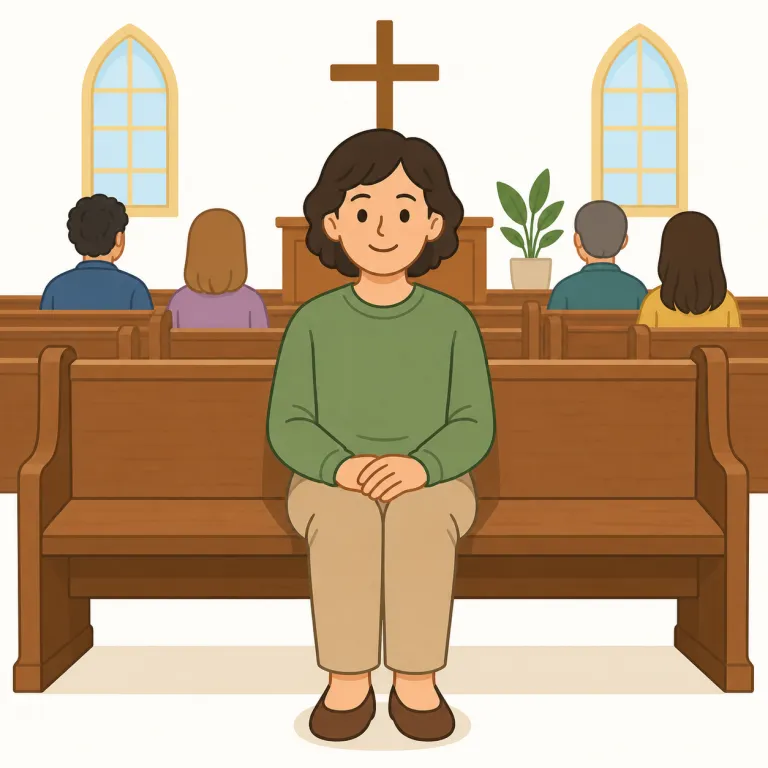
教区民
解説 Definition
キリスト教の教区に所属する信者のこと。
A parishioner is a person who belongs to or regularly attends a particular church in a local area. The word is usually used in Christian contexts, especially when talking about the members of a parish. It focuses on the relationship between the person and the church community.
覚え方のコツ Memory Tip
parish を先に固定すると覚えやすい。parish は「教区」で、parishioner はその教区に属する「人」。teacher が teach する人、villager が village の住民、という見方と同じで、語尾の -er は「その場に関わる人」の印。church, priest, mass, local community など教会文脈で出やすく、単に「教会に来た人」ではなく「その教区の信者」を指すのがポイント。priest は聖職者、parishioner は一般の信徒、と対比で覚えると定着しやすい。
Fix `parish` first: it is a church district. Then `parishioner` is the person who belongs to that parish, like `villager` belongs to a village. It helps to contrast it with `priest`: the priest leads, but the parishioner is an ordinary member.
例文
Every parishioner contributed to the fund for repairing the church roof.
すべての教区民が教会の屋根を修理するための基金に寄付した。
The elderly parishioner had attended services at the same church for over fifty years.
その年配の教区民は50年以上同じ教会の礼拝に出席していた。
The priest visited sick parishioners at home to offer comfort and prayer.
司祭は病気の教区民の自宅を訪ね、慰めと祈りを捧げた。
parishioner の類義語・関連語
派生語
parishioner の語源・成り立ち Etymology
parishioner は parish「教区」に -ioner「一員の人」が付いた語です。parish はギリシャ語 paroikia 由来で、para-「そばに」+ oikos「家」が核なので、economy と同じ oikos を思うと「同じ家の近くに属する人」から教区民になったと見えます。
Parishioner comes from parish plus the ending -ioner, meaning a person connected with something. Parish goes back through Old French and Late Latin to Greek paroikia, built from para- "near" and oikos "house." The sense moved from people living nearby or in the same local community to members of a church district. Oikos also appears in words like economy.
同じレベルの語彙をもっと
外部辞書で調べる
この英単語をクイズで覚えよう