遺産
解説 Definition
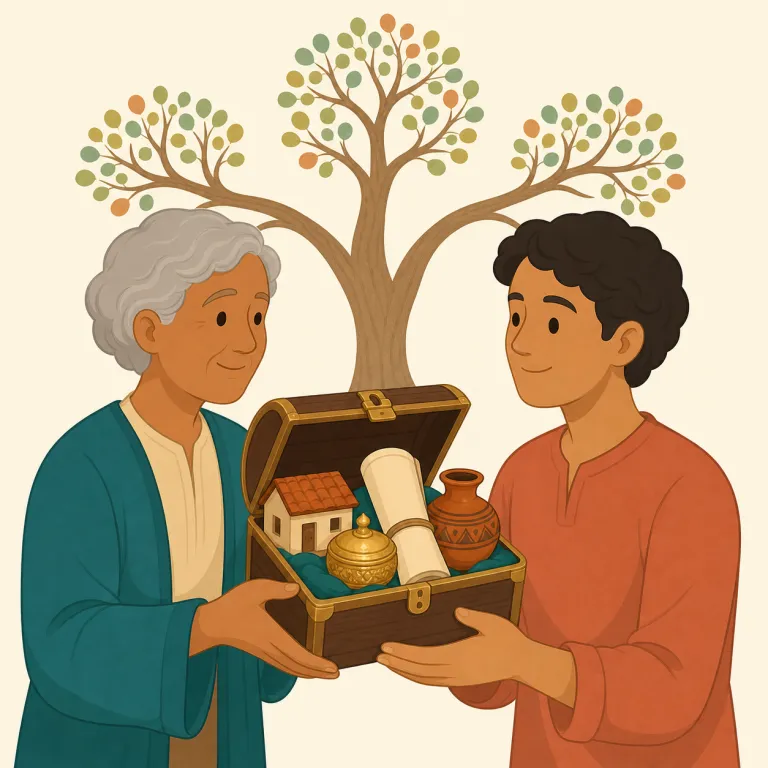
親から子へ受け継がれる財産や遺産のこと。特に家族の代々受け継がれている資産、財宝、または伝統を指す名詞です。
Patrimony means property, money, or valuable traditions passed down through a family, especially from earlier generations. It is a formal word and can also refer to cultural or national heritage, not only personal inheritance.
覚え方のコツ Memory Tip
まず `paternal`(父の)や `parent` を連想すると、`patrimony` は「家系の中で受け継ぐもの」とまとまりやすいです。日常の `inheritance` よりやや硬く、土地・財産・家の伝統まで含む語。`family patrimony` や `national patrimony` の形で覚えると定着しやすいです。`heritage` は文化遺産寄り、`legacy` は残された功績や影響にも広がるので、その中でも `patrimony` は“家系の相続財産”の芯を持つ語だと整理すると忘れにくいです。`matrimony`(結婚)との取り違えにも注意。
The beginning `patri-` can remind you of `paternal` or `parent`, which helps link the word to family inheritance. `Patrimony` is more formal than `inheritance` and often suggests property or tradition passed down through a family line. It also appears in phrases like `family patrimony` and `national patrimony`.
例文
The family's patrimony included valuable land and historical artifacts.
その家の遺産には、貴重な土地と歴史的遺物が含まれていました。
He inherited his father's patrimony, which included several businesses.
彼は父親の遺産を相続しました。それにはいくつかの事業が含まれていました。
The cultural patrimony of the nation was preserved by the government.
国の文化遺産は政府によって保存されました。
patrimony の類義語・関連語
派生語
紛らわしい語
patrimony の語源・成り立ち Etymology
patrimonyはラテン語patrimonium「父から受け継ぐ財産」に由来し、語根はpater「父」です。-monyは「状態・所有物」を表し、もとは家の財産を父系で継ぐ感覚がありました。paternalやpatriotも同じpater系です。
Patrimony comes from Latin patrimonium, meaning property inherited from a father, from pater meaning "father." It first carried the idea of family wealth passed down through the male line. Later the meaning widened to any inherited property or heritage. Related English words include paternal and expatriate.
同じレベルの語彙をもっと
外部辞書で調べる
この英単語をクイズで覚えよう