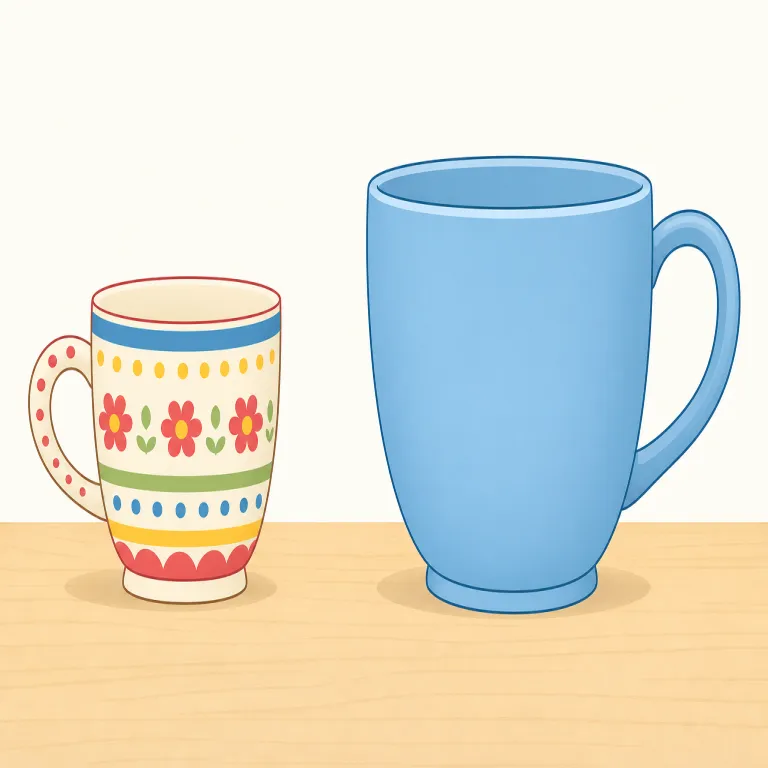
より器量の劣る、より地味な顔立ちの
adjective 形容詞人の容姿について、比較対象より美しくない、または目立たないことを表します。主に顔立ちや人物を形容し、装飾の少ない物を表す「より簡素な」とは異なる、外見に対する評価の語義です。
比較級形容詞。より単純な、より平坦な、またはより理解しやすい状態を表します。複雑さが少ない、または明確である性質を指します。
Plainer means simpler, clearer, or less decorated than something else. It can describe language, clothes, style, or appearance, and it is the comparative form of plain.
plain を知っていれば覚えやすい語です。plain は「飾りがない」「わかりやすい」で、plain English なら「やさしい英語」。そこに比較級 -er が付いて plainer なので、「もっと plain=より単純で、より明快な」。complex や complicated の反対側に置くと定着しやすいです。説明・文章・デザインについて使われると「前よりわかりやすい」という感覚になり、「平坦な」の比較級になる文脈もあるので、対象が説明なのか地形なのかを見分けるのがコツです。
Start from `plain`, as in `plain English`. Then add the comparative `-er`: `plainer` means more plain, so more simple or more clear. It is easy to remember if you keep it opposite to `complicated`.
This explanation is plainer than the previous one.
この説明は以前のものよりわかりやすいです。
The plainer design is more practical.
よりシンプルなデザインの方が実用的です。
She prefers plainer clothes without patterns.
彼女は柄のない、よりシンプルな服を好みます。
文脈によって、次の意味でも使われます。
人の容姿について、比較対象より美しくない、または目立たないことを表します。主に顔立ちや人物を形容し、装飾の少ない物を表す「より簡素な」とは異なる、外見に対する評価の語義です。
plainer は plain「平らな・わかりやすい」に比較級 -er が付いた形です。plain は古フランス語経由でラテン語 planus「平らな」にさかのぼり、plane や explain も同じ核を持ちます。『でこぼこがない』から『飾りがなく単純』へ意味が伸びました。
Plainer is the comparative form of plain, with the ending -er. Plain came through Old French from Latin planus, meaning "flat" or "level," and the same root appears in plane and explain. From the idea of something smooth and flat, the meaning grew into "simple," "clear," or "not decorated."
この英単語をクイズで覚えよう