いら立った、怒った
adjective 形容詞英国のくだけた表現で、人がいら立っていたり、怒りっぽくなっていたりする状態を表す。get eggy や be eggy with someone のように用いられ、卵の味や匂いとは無関係な口語的用法である。
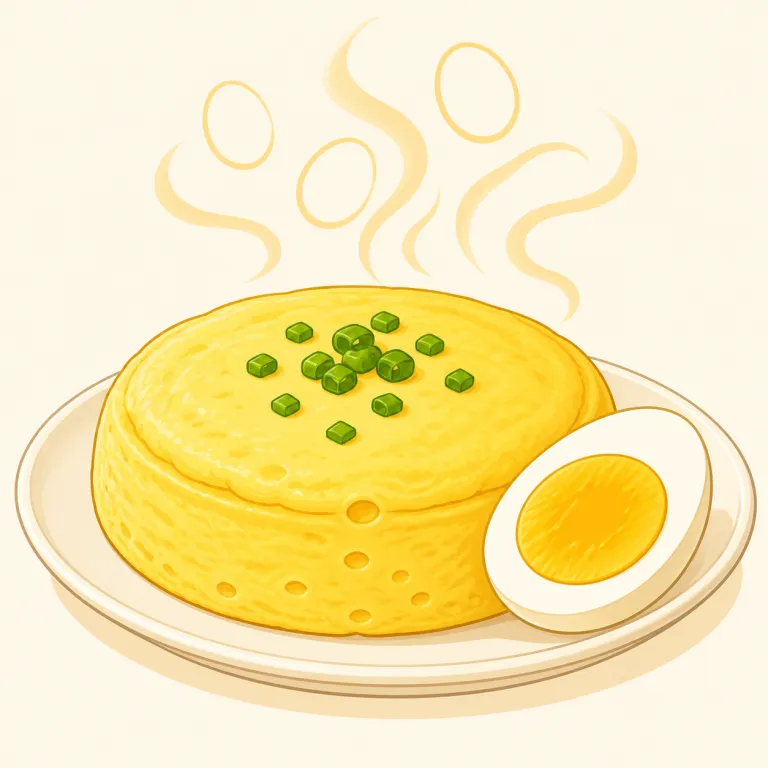
卵のような、または卵の特性を持つ。卵の匂いや味がする。
Eggy means tasting, smelling, or seeming strongly like eggs. It is usually used to describe food, especially when the egg flavor is easy to notice. Depending on the context, it can be neutral, positive, or slightly negative.
まず基本語 egg をそのまま見抜く。そこに cloudy, salty, spicy と同じ「〜っぽい」を作る -y が付いた形だと考えると、意味はほぼ自動で「卵っぽい」。特に見た目より smell / taste と結びつきやすく、an eggy smell, an eggy flavor のまとまりで覚えると使い所がはっきりする。料理で『卵の風味がしっかりある』ならやや好意的、『生臭く卵くさい』なら否定的にもなりうる。egg-like は形や見た目寄り、eggy は匂い・味寄り、という対比で覚えると混同しにくい。
This one is easy to build: `egg` + `-y`, like `salty` or `cloudy`. So `eggy` means "having the taste or smell of egg." It is often used in phrases like `an eggy smell` or `an eggy flavor`, more about taste and smell than shape.
The eggy aroma indicated fresh ingredients in the quiche.
その卵っぽい香りはキッシュの新鮮な材料を示していた。
The dessert had an eggy taste that some found unpleasant.
そのデザートは何人かが不快だと感じた卵っぽい味を持っていた。
The eggy smell of the dishes suggested overcooked eggs.
その料理の卵っぽい匂いは、加熱しすぎた卵を思わせた。
文脈によって、次の意味でも使われます。
英国のくだけた表現で、人がいら立っていたり、怒りっぽくなっていたりする状態を表す。get eggy や be eggy with someone のように用いられ、卵の味や匂いとは無関係な口語的用法である。
eggy は egg「卵」に、性質を表す接尾辞 -y が付いた語です。egg は古ノルド語 egg に由来し、eggshell や eggless と同じ語幹を持ち、「卵のような匂い・味・見た目がする」ことから「卵っぽい」となります。
`Eggy` is formed from `egg` and the adjective suffix `-y`, meaning "having the quality of." `Egg` came into English from Old Norse *egg*, and it appears in related forms like `eggshell` and `eggless.` The meaning developed naturally into "smelling, tasting, or seeming like egg."
この英単語をクイズで覚えよう