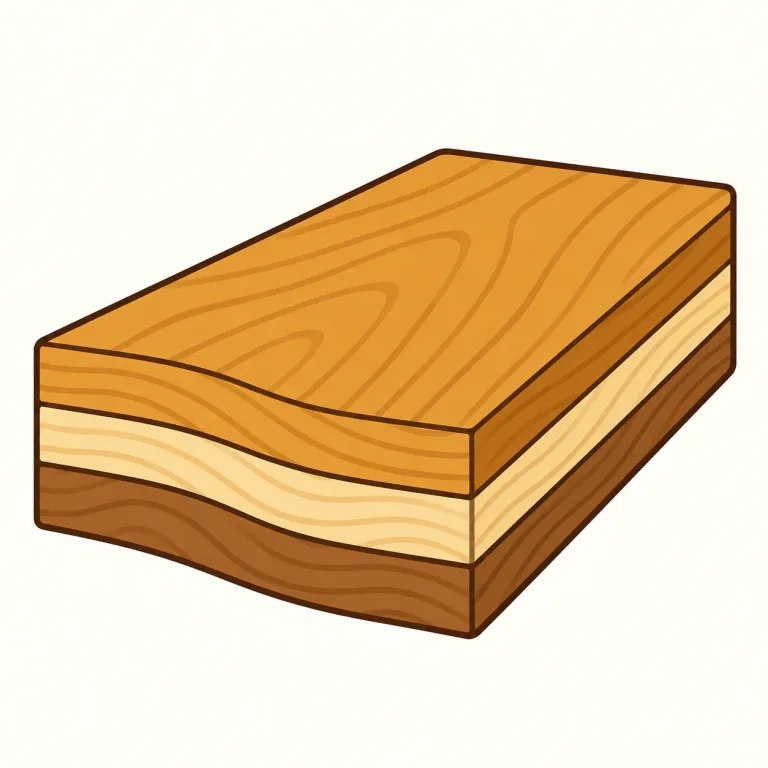
層 / 重ね
解説 Definition
plies は ply「層、重ね」の複数形で、材料や製品を構成する各層を指します。紙、布、合板、タイヤなどの構造を説明するときに使います。
Plies are the individual layers or thicknesses from which a material or product is built. The term is commonly used for layered wood, paper, fabric, tires, and composite materials.
覚え方のコツ Memory Tip
ply は子音字+y で終わるので、y を i に替えて -es を付けると plies になります。薄い材料が何層も重なる姿を思い浮かべましょう。発音は /plaɪz/ です。
Ply ends in a consonant plus y, so change y to i and add -es: plies, pronounced /plaɪz/. Picture several thin layers stacked together.
例文
The board has three plies of wood.
その板は木材が三層になっています。
These tissues have two soft plies.
このティッシュは柔らかい二枚重ねです。
plies の類義語・関連語
plies の語源・成り立ち Etymology
古フランス語 plier(折る)からラテン語 plicare(折り畳む)に遡る。「折り重ねた層」が原義。接頭辞 com- を付けた complicate は「折り重なった→複雑な」、reply は「折り返す→返答する」と同根。
The noun ply came through French from a verb meaning “to fold,” ultimately from Latin plicare, “to fold or bend.” A fold produces an additional thickness or layer, which led to the modern material sense of one strand, sheet, or layer among several. Plies is the regular plural produced by changing the final consonant-plus-y spelling of ply to -ies. Words such as complicate contain the same broader Latin root associated with folding or interweaving, although their modern meanings have developed differently.
同じレベルの語彙をもっと
外部辞書で調べる
この英単語をクイズで覚えよう