
tissue
tissue は英検準2級・TOEIC 730・TOEFL 60・IELTS 5.5レベルの英単語で、「ティッシュペーパー、生体組織」という意味があります。発音記号は /ˈtɪʃuː/ です。
意味一覧 (2件)
ティッシュペーパー
解説 Definition
主に顔を拭く、またはくしゃみや鼻をかむために使う薄い紙製品を指します。日常生活で一般的に使用される消耗品です。
Tissue usually means a soft, thin piece of paper used for cleaning your nose, face, or hands. In everyday English, it often refers to disposable paper tissues rather than the material inside the body.
覚え方のコツ Memory Tip
tissue は英語では「ティッシュそのもの」の基本語で、まず facial tissue, a box of tissues という形で覚えると定着しやすいです。紙類でも paper towel は手や台所用、napkin は食事中、tissue は顔・鼻まわり用と使い分けます。さらに body tissue「身体組織」という意味も非常に頻出なので、「薄くやわらかいまとまり」を表す語だと押さえると、紙のティッシュと組織の両方が一つの単語で整理できます。
Tissue often means the soft paper for your nose, so remember common phrases like facial tissue or a box of tissues. But the same word is also used for body tissue. A useful memory hook is "soft material in a group," which connects both meanings.
例文
This tissue is soft.
このティッシュはやわらかい。
I need a tissue.
私はティッシュが必要です。
She takes one tissue.
彼女はティッシュを1枚取ります。
えいたんごクイズでの正答率
この語をはじめて出題された 50人 のうち 47人 が正解しました(94%)。
えいたんごクイズの回答から集計した独自データです。1人につき最初に出題されたときの1回だけを数えており、復習や2回目以降の回答、「わからない」と時間切れは含みません。 集計時点は 2026年9月19日 です。
生体組織
(意味 2)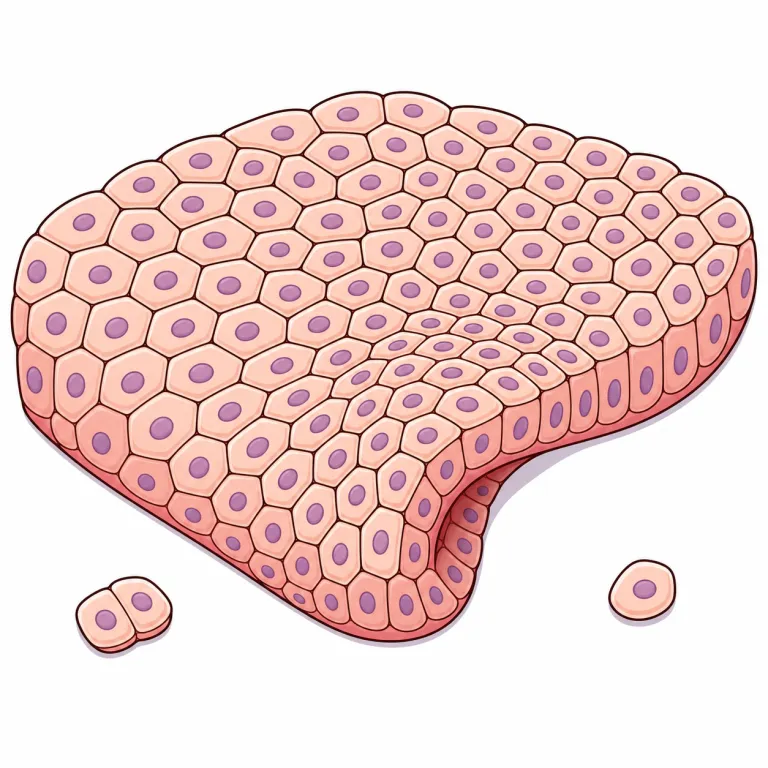
解説 Definition
生物や医学で、同じ働きをする細胞が集まってできたまとまりを指します。筋肉組織、神経組織のように、体の部位や性質を説明するときによく使われます。研究や診断で顕微鏡観察の対象になり、病変や損傷を述べる文脈でも頻出です。
Material in a living organism made up of cells that work together to perform a particular function. In biology and medicine, it is discussed when describing muscles, nerves, damage, or samples examined under a microscope.
覚え方のコツ Memory Tip
tissue は「同じ働きの細胞が織物のように組み合わさったまとまり」と考えると、生体組織の意味で覚えやすいです。muscle tissue, nerve tissue, cancerous tissue のように、体の中で細胞が集まってできた部分を指します。紙のティッシュは別語義ですが、どちらも「薄いもの・細かいものが重なったまとまり」という共通感覚があります。医学では tissue sample「組織サンプル」、damaged tissue「損傷した組織」の形で頻出なので、体を構成する細胞の層を思い浮かべると定着します。
Imagine cells woven together like threads in fabric to form part of the body. Phrases such as muscle tissue and tissue sample connect that woven image with biology.
例文
The doctor examined the tissue under a microscope.
医師は顕微鏡で組織を調べた。
Cancer can spread to nearby tissue.
がんは近くの組織に広がることがある。
Muscle tissue repairs itself slowly.
筋肉組織はゆっくり自己修復する。
tissue の類義語・関連語
tissue の語源・成り立ち Etymology
tissue は古フランス語 tissu「織られたもの」から来て、さらにラテン語 texere「織る」へさかのぼります。語根 tex- は「編む・織る」で、textile や texture と同系です。もとは布地なので、繊維が組み合わさった薄い紙を tissue と呼ぶのは自然だとわかります。
Tissue comes from Old French tissu, meaning "woven," and goes back to Latin texere, "to weave." The root tex- appears in related English words such as textile and texture. Because woven cloth is made from threads joined together, the word later came to be used for thin material and for body structures formed from connected fibers.
同じレベルの語彙をもっと
英検準2級の一覧へ →外部辞書で調べる
この英単語をクイズで覚えよう