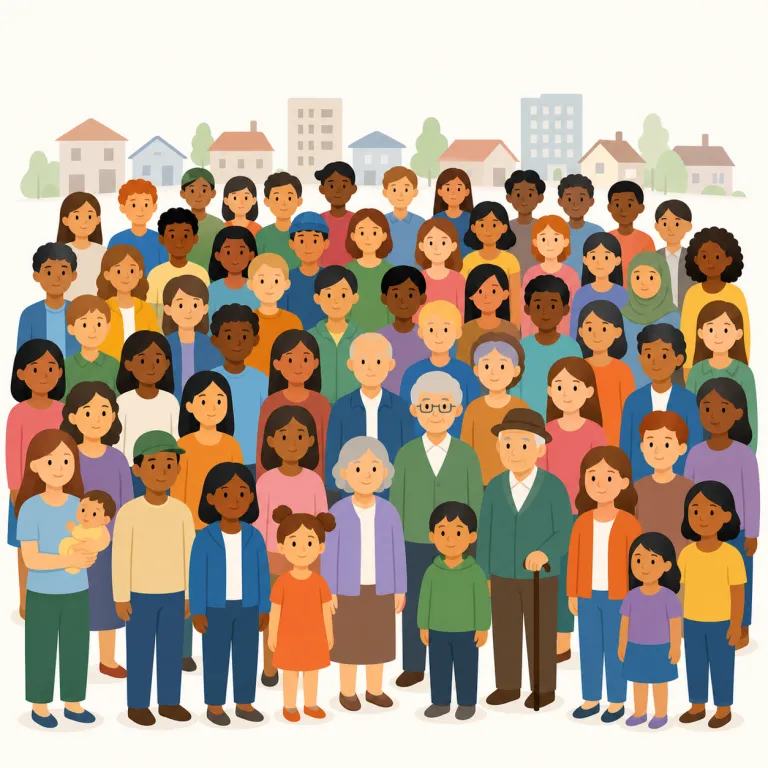
populace
populace は英検1級レベルの英単語で、「民衆」という意味があります。発音記号は /ˈpɑːpjʊləs/ です。
民衆
解説 Definition
ある地域や国で暮らす一般の人々を指す語で、政治的・社会的な文脈で使われる。エリートや権力者と対比して、普通の市民や大衆を強調する場面に当てられることが多い。多くの場合は定冠詞とともに用いられる。
The populace is the ordinary people of a country, city, or area as a group. It is often used when talking about public opinion, social conditions, or how people react to events. The word is slightly formal.
覚え方のコツ Memory Tip
popular や population と同じ popul-「人々」の仲間だとつなげると覚えやすい。population が単に人口・人数を数える感じなのに対し、populace は「その社会で暮らす一般の人々」というまとまりを指す語。政治・社会ニュースで the populace の形が出やすく、government や elites と対比されやすい。people より硬く、individual citizens ではなく“大衆全体”をまとめて見る語だと押さえると残りやすい。
Connect `populace` with `popular` and `population`. They all share `popul-`, which points to people. `Population` sounds like a number, but `the populace` sounds like the ordinary people as one group, often in news about society or politics.
例文
The new policy was unpopular among the general populace.
その新しい政策は一般民衆には不評だった。
The king's decision to raise taxes angered the populace.
増税するという王の決断は民衆を怒らせた。
The government launched a campaign to educate the populace about the new health guidelines.
政府は新しい健康指針について民衆を啓発するキャンペーンを開始した。
populace の類義語・関連語
populace の語源・成り立ち Etymology
populace は中期フランス語を経てイタリア語 popolaccio に由来し、さらにラテン語 populus「人々」へさかのぼります。もとは『民衆の集まり』をややぞんざいに見る響きがあり、popular や population にも同じ popul- が見えます。
Populace came into English through Middle French and was influenced by Italian popolaccio, going back to Latin populus, meaning "people." It first referred to the common people, often with a slightly rough or dismissive tone. The same Latin root appears in English words like popular and population.
同じレベルの語彙をもっと
英検1級の一覧へ →外部辞書で調べる
この英単語をクイズで覚えよう