posterity
posterity は英検1級レベルの英単語で、「後世、子孫」という意味があります。発音記号は /pɑːˈstɛrɪti/ です。
意味一覧 (2件)
後世
解説 Definition
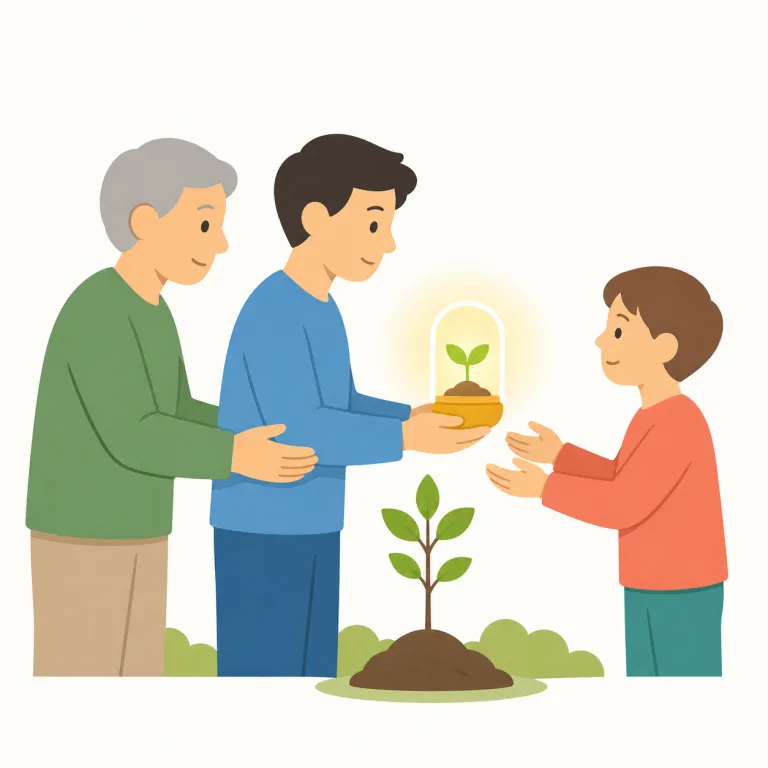
後世は現在より後の世代、未来の人々を指します。歴史や文化を後世に伝えることは、人類の知識や価値観の継承を意味する重要な責任です。
Posterity means future generations of people. It is used when talking about how people in the future will remember events, ideas, or works. The word is more formal and often appears in history, literature, and serious discussion.
覚え方のコツ Memory Tip
post- が「後の」、posterior が「後ろの」を表すと知っていると、posterity は「自分たちの後に来る人たち」= 後世とつながる。children や descendants より広く、歴史・文化・記録を受け継ぐ「未来の世代」全体を指す語。for posterity(後世のために残す)という定番表現で覚えると使いやすい。poster や postal と見た目が近くても意味は無関係なので切り分ける。
Notice the prefix `post-`, which often means `after`. So `posterity` points to the people who come after us, especially future generations. The fixed phrase `for posterity` is the easiest way to remember it.
例文
We must preserve these documents for posterity.
我々は後世のためにこれらの文書を保存する必要があります。
His contributions to science will be remembered by posterity.
彼の科学への貢献は、後世の人々に記憶されるでしょう。
They recorded the event for posterity.
彼らは後世のためにそのイベントを記録しました。
えいたんごクイズでの正答率
この語をはじめて出題された 38人 のうち 27人 が正解しました(71%)。
えいたんごクイズの回答から集計した独自データです。1人につき最初に出題されたときの1回だけを数えており、復習や2回目以降の回答、「わからない」と時間切れは含みません。 集計時点は 2026年9月19日 です。
子孫
(意味 2)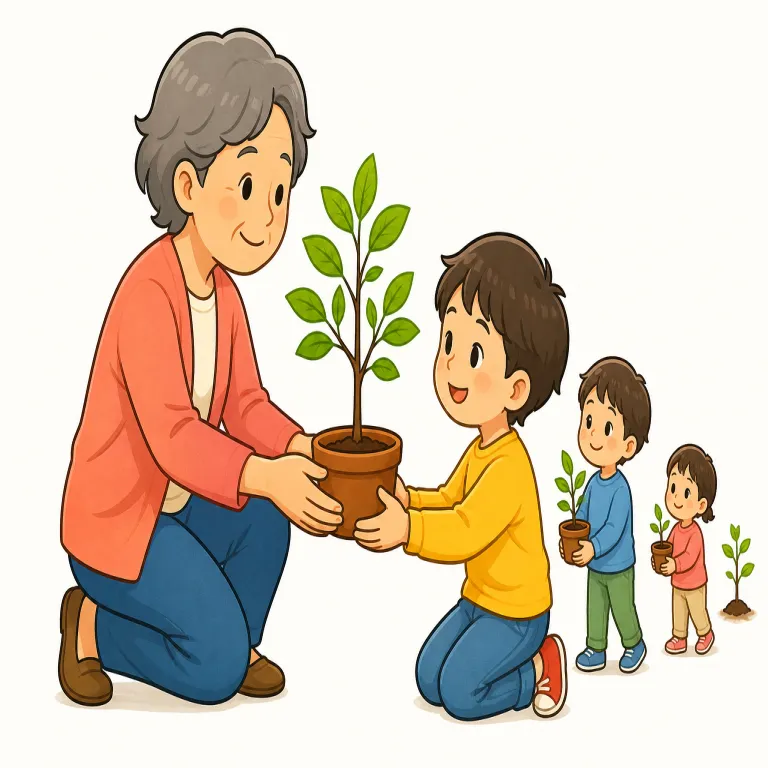
解説 Definition
ある人や一族から後に続く血縁上の子孫を、集合的に指す形式的な言葉です。特に家系、相続、系譜などについて述べる際に用いられます。
Posterity means future generations of a family or of people in general. It is used when thinking about the people who will live after us and remember what happened in the past. The word is formal and often appears in historical or serious writing.
覚え方のコツ Memory Tip
この語義では、posterity を「ある人の後に代々続く人々」とイメージし、血縁上の子孫と結びつけます。形式的な集合名詞として使われ、leave no posterity「子孫を残さない」や someone's posterity「ある人の子孫」の形で覚えると定着しやすくなります。
The prefix `post-` means `after`, as in `postwar` or `postpone`. So `posterity` points to the people who come after us, especially future generations. It is easy to remember in the phrase `for posterity`, often used with `preserve` or `record`.
例文
The king died without posterity, leaving the succession uncertain.
王は子孫を残さずに亡くなり、王位継承が不確かになった。
Many of the pioneer's posterity still live in the valley.
その開拓者の子孫の多くは、今もその谷に住んでいる。
The genealogist traced the founder's posterity through six generations.
その系図学者は、創始者の子孫を六世代にわたってたどった。
posterity の類義語・関連語
紛らわしい語
posterity の語源・成り立ち Etymology
フランス語 postérité を経て、ラテン語 posteritas(後に来る者たち)に由来します。語根は post(後で)で、「自分たちの後に続く世代」という発想から「後世」の意味になりました。関連語に posthumous や posterior があります。
"Posterity" came into English through French from Latin "posteritas," meaning those who come later. Its root is Latin "post," meaning "after." The sense developed from "later people" to "future generations"; related English words include "posterior" and "posthumous."
同じレベルの語彙をもっと
英検1級の一覧へ →外部辞書で調べる
この英単語をクイズで覚えよう