見せかけ
解説 Definition
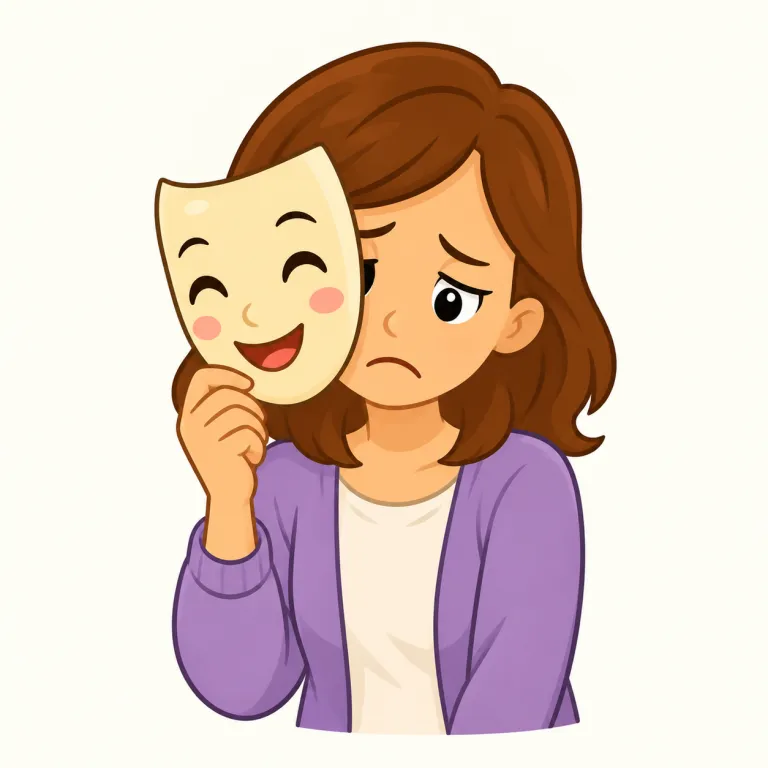
pretenses は pretense の複数形で、本心・感情・意図を隠すための見せかけの態度や表向きの理由を表します。複数の取り繕いや、うわべ全体を指して使われます。
False appearances, attitudes, or stated reasons that conceal what someone truly thinks, feels, or intends. This plural form often refers to several acts of pretending or to an entire set of artificial appearances.
使い方 Usage
使い分け Common distinctions
- 単なる間違いとは異なり、pretenses は意図的に何かを装う含みを持つことが多い語です。 Unlike a simple mistake, pretenses often suggests deliberately presenting something as different from the truth.
覚え方のコツ Memory Tip
本心の前に偽の態度や理由を差し出す姿を連想しましょう。pretense に -s を付けた形で、語尾は /ɪz/、全体は3音節です。
Picture someone placing a false attitude or explanation in front of the truth. Pretenses adds -s to pretense; the ending is pronounced /ɪz/, making three syllables.
例文
They dropped all pretenses and admitted that the plan had failed.
彼らは取り繕うのをすっかりやめ、その計画が失敗したことを認めました。
Her polite pretenses could not hide her disappointment.
彼女の丁寧な取り繕いでは、落胆を隠しきれませんでした。
pretenses の類義語・関連語
類義語
紛らわしい語
pretenses の語源・成り立ち Etymology
pretenses は pretense の複数形で、語源はラテン語 praetendere「前に伸ばす・口実として掲げる」です。pre-「前に」+ tendere「伸ばす」から成り、tension や tend と同根なので、「本心の前に見せ札を差し出す」感覚から「見せかけ」になったと理解できます。
Pretenses is the plural of pretense, with -s pronounced as an extra syllable. Pretense came through French from Medieval Latin praetensa, related to Latin praetendere, “to stretch forth” or “put forward.” That verb combines prae-, “before,” with tendere, “to stretch.” The idea of putting a claim or reason forward developed into the modern sense of an outward appearance or excuse that does not reflect the truth.
同じレベルの語彙をもっと
外部辞書で調べる
この英単語をクイズで覚えよう