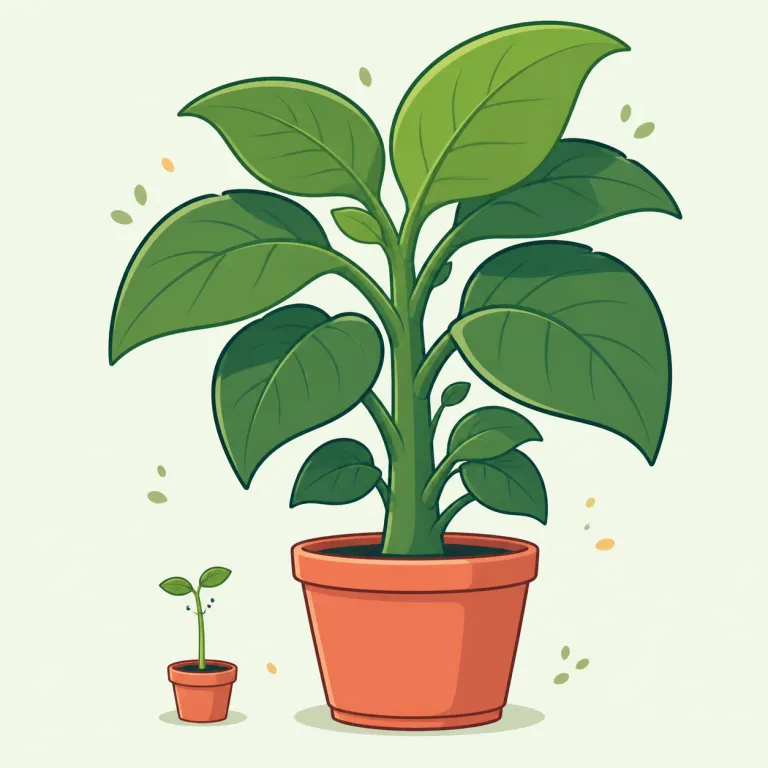
ちっぽけな
解説 Definition
人や物が普通より小さくて弱々しく、力や重要性に欠けている様子を表す。
It describes a person or thing that is unusually small and weak. It can also describe an amount or effort as too small to be important or effective.
覚え方のコツ Memory Tip
punyは単にsmall「小さい」だけでなく、「小さくて弱々しい、取るに足りない」という否定的な評価を含む。a puny child「弱々しく小さな子」、a puny amount「ちっぽけな量」が典型。大きな相手の横で存在感なく縮んでいる姿を結び付けるとよい。
Do not remember it as merely another word for `small`; it also suggests weakness or lack of importance. Picture a tiny, weak plant beside a large, healthy one, or an effort too slight to make a difference.
例文
The puny plant did not grow well.
そのちっぽけな植物はうまく育たなかった。
He lifted the puny box with one hand.
彼はそのちっぽけな箱を片手で持ち上げた。
Their puny effort could not solve the problem.
彼らのわずかな努力では問題を解決できなかった。
puny の類義語・関連語
類義語
対義語
puny の語源・成り立ち Etymology
puny は英仏語 puisne「年下の・後に生まれた」から来た語で、さらに「後で」+「生まれた」に由来します。そこから「地位が低い」「取るに足りない」という意味が生まれ、今の「弱々しい・つまらない」へ発展したので、意味のずれが見えてきます。
It comes from Anglo-French `puisne`, meaning younger or born later. The sense developed from having lower rank to being unimportant, weak, or very small.
同じレベルの語彙をもっと
外部辞書で調べる
この英単語をクイズで覚えよう