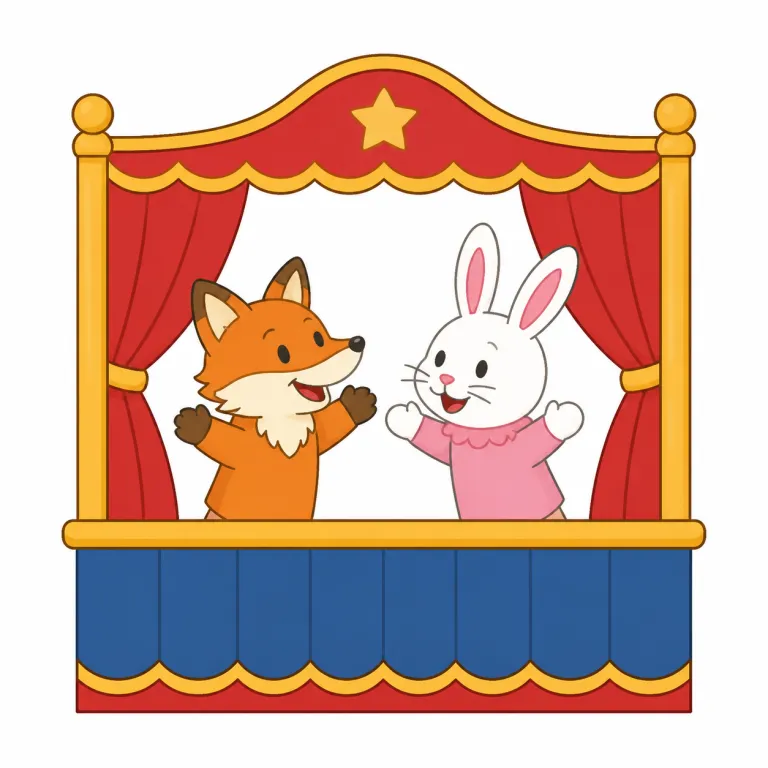
人形劇
解説 Definition
人形を操って演じる芸術や技法のこと。人形劇。
Puppetry is the art or activity of performing with puppets. It is commonly used in theater, storytelling, and entertainment, and it includes both making puppets and controlling them during a performance.
覚え方のコツ Memory Tip
まず puppet「人形」が見えれば半分取れます。puppetry は puppet そのものではなく、-ry が付いて「人形を使って見せる芸術・技法・世界全体」というまとまりになる語です。感覚としては poetry が poem 1作ではなく“詩という表現分野”を指すのに近いです。a puppet show は個々の上演、puppetry はその技術や表現形式。shadow puppetry, traditional puppetry のような組み合わせで覚えると、単なる玩具ではなく舞台芸術だと定着します。
Start with `puppet` and build from there. The `-ry` ending often names an art, craft, or whole field, so `puppetry` is not one puppet but the art or practice of using puppets. Compare it with `poetry`, which means the art of poems, not just one poem. Phrases like `shadow puppetry` and `traditional puppetry` help fix that idea.
例文
Traditional puppetry has been practiced in Japan for centuries, including the art of Bunraku.
日本では文楽を含む伝統的な人形劇が何世紀にもわたって行われてきた。
The children were fascinated by the puppetry performance at the local theater.
子どもたちは地元の劇場で行われた人形劇に魅了された。
She studied puppetry at art school and now creates her own marionette performances.
彼女は芸術学校で人形劇を学び、今では独自のマリオネット公演を制作している。
puppetry の類義語・関連語
派生語
puppetry の語源・成り立ち Etymology
puppetry は puppet「人形」に -ry が付いた語で、puppet は古フランス語を経てラテン語 pupa「女の子・人形」にさかのぼります。pupa や puppet と同根で、さなぎを pupa と呼ぶのも『小さな人形のように見える』からだと思うと印象に残ります。
Puppetry comes from puppet with the suffix -ry, which forms nouns about a craft or practice. Puppet came into English through Old French and goes back to Latin pupa, meaning "girl" or "doll." The idea stayed close to a small human figure, which is why Latin pupa also gave the scientific word pupa for an insect stage that looks like a little doll.
同じレベルの語彙をもっと
外部辞書で調べる
この英単語をクイズで覚えよう