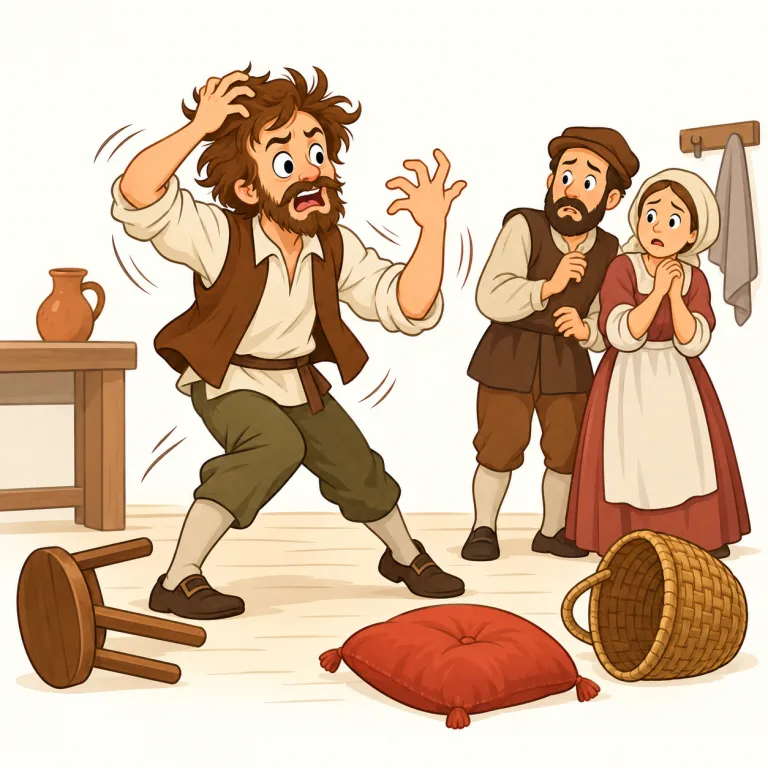
興奮状態、狂乱
解説 Definition
(方言・古風)興奮状態、狂乱、取り乱した状態。現代の標準英語ではほとんど使われない名詞です。
A rare dialectal or archaic noun referring to a state or fit of excitement, frenzy, or wild agitation. It is not part of ordinary modern standard English and is mainly encountered in historical or regional material.
覚え方のコツ Memory Tip
ree は現代の標準英語ではほぼ見ない方言的・古風な名詞で、「興奮・狂乱の状態」を表す。古英語の「荒々しい、激した」に結びつくとされるため、go into a ree のような場面を想定する。インターネット上の叫び声を表す REE とは区別する。
Remember ree as a rare regional or old-fashioned word, not as normal everyday vocabulary. Its historical associations are with being rough, wild, or violently agitated, so imagine someone entering a fit of excitement or frenzy. That scene preserves the noun sense better than relying on the sound alone. If you meet the word, the surrounding passage is likely dialectal, historical, or literary, and context should confirm the meaning. Do not automatically equate it with the modern internet exclamation written REE; that online use has a different history and function.
例文
The old account describes him as being in a ree.
その古い記録では、彼は興奮状態にあったと表現されています。
In this dialect, ree means a state of frenzy.
この方言では、ree は狂乱状態を意味します。
ree の類義語・関連語
ree の語源・成り立ち Etymology
ree は英語方言語で、中英語 rei を経て古英語 hrēoh「荒々しい・激した」にさかのぼるとされます。もともとの『荒れた、取り乱した』感触から、名詞では興奮や狂乱の状態を表すようになった語です。関連語は raw, Scots rae。
Ree is recorded as a dialectal or archaic English word and is traced through Middle English rei to Old English hrēoh, a word associated with roughness, wildness, or violent disturbance. From that descriptive sense, the noun came to denote an excited, frenzied, or disordered state. Because the word is rare and its history survives mainly in regional and older records, its spelling and use are less stable than those of ordinary modern standard-English words.
同じレベルの語彙をもっと
外部辞書で調べる
この英単語をクイズで覚えよう