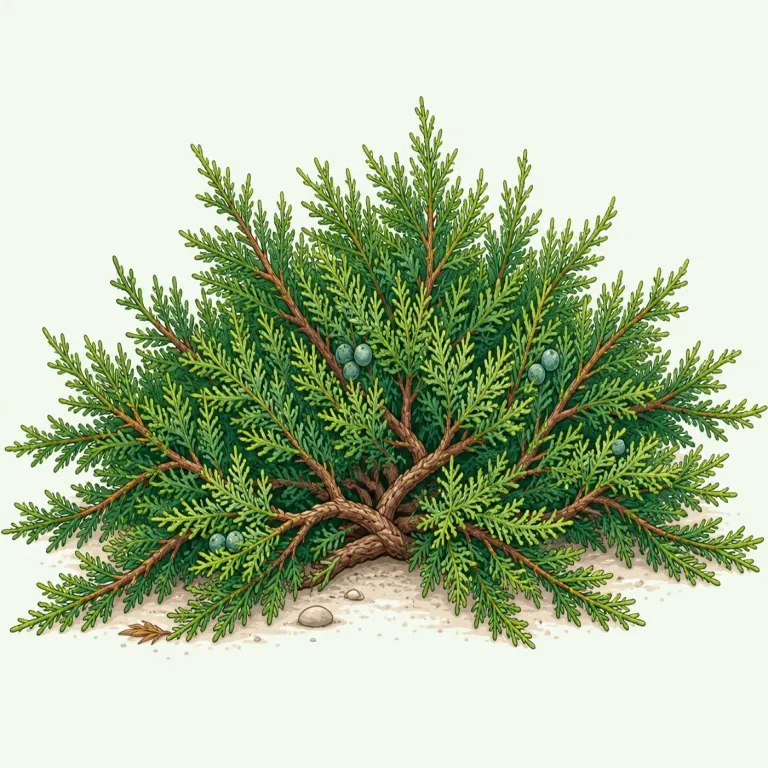
サビナビャクシン(ヒノキ科の常緑低木)
解説 Definition
ヒノキ科ビャクシン属の常緑低木を指す語で、英語では特に Juniperus sabina を表す。針のような葉と小さな実を持ち、庭木として利用されるほか、伝統的には薬用として扱われることもあるが、有毒性にも注意が必要である。
Savin is a type of evergreen shrub from the juniper family. The word is mainly used in botany and plant description, not in general daily English.
覚え方のコツ Memory Tip
かなり専門的な植物名なので、単独で丸暗記するより `savin juniper` というまとまりで覚えると残りやすい語です。見かけたらまず「日常語ではなく、ヒノキ科・ビャクシン属まわりの植物名」と判断するのが近道。つづりは `saving` のように `g` が付かない `savin`。園芸、植物図鑑、薬用植物の説明で現れやすく、「常緑の低木」「小さな実」「有毒注意」という情報とセットにすると他の juniper 類と区別しやすくなります。
This is a specialized plant name, so remember it together with `savin juniper` instead of alone. Notice the spelling: it looks like `saving` without the `g`. That small detail makes it easier to separate from common everyday words.
例文
Savin is a hardy evergreen shrub native to Mediterranean regions.
サビナビャクシンは地中海地域原産の丈夫な常緑低木です。
The savin plant features distinctive needle-like foliage and small bluish berries.
サビナビャクシンには、特徴的な針状の葉と青みがかった小さな実がある。
Gardeners value savin for its ornamental beauty and hardiness.
園芸家たちは、観賞用としての美しさと丈夫さからサビナビャクシンを高く評価している。
savin の類義語・関連語
紛らわしい語
savin の語源・成り立ち Etymology
savin は中英語 savine、古フランス語 savine を経て、ラテン語 herba Sabina「サビニ人の植物」に由来します。Sabina は古代イタリアの地名・民族名で、もとはその土地で知られた薬草名でした。そこから植物名として定着した語で、関連語は Sabine, savine です。
Savin came into English through Old French savine and Middle English savine. It goes back to Latin herba Sabina, literally "Sabine plant," named after the Sabines, an ancient people of Italy. The word began as the name of a plant associated with that region and then became the standard plant name in English. Related words include Sabine and the older form savine.
同じレベルの語彙をもっと
外部辞書で調べる
この英単語をクイズで覚えよう