シマ
解説 Definition
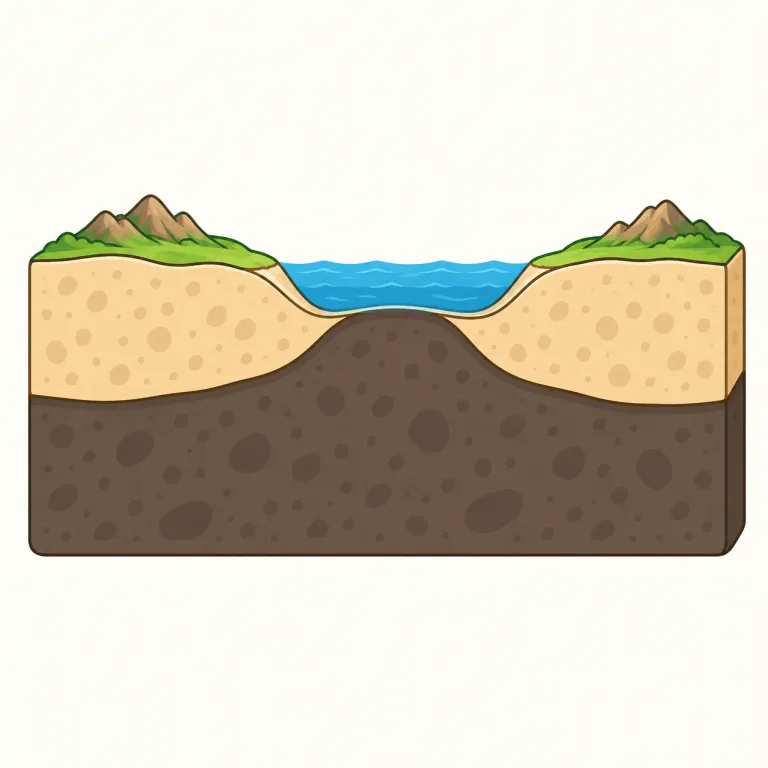
sima(シマ)は旧来の地質学で、地殻下部や海洋地殻を構成すると考えられた、ケイ素とマグネシウムに富む密度の高い岩石質を指します。現在は主に歴史的な用語として扱われます。
Sima is an older geological term for the dense, silica- and magnesium-rich material once thought to form the lower part of Earth’s crust, especially beneath the oceans. The concept is largely historical in modern geology.
使い方 Usage
使い分け Common distinctions
- 旧来のモデルでは、軽い sial(ケイ素・アルミニウム質)の下に、密度の高い sima があると考えられていました。 In the older model, denser sima was thought to lie beneath lighter sial, the silica- and alumina-rich material.
覚え方のコツ Memory Tip
silica の Si と magnesia の Ma を組み合わせて sima。「島」の音ではなく、成分名をつないだ名称として覚えましょう。
Remember sima as Si from silica plus Ma from magnesia. Connect the spelling with its component names rather than with the Japanese word for an island.
例文
Older geology textbooks described the sima as lying beneath the lighter sial.
古い地質学の教科書では、シマはより軽いシアルの下にあると説明されていました。
The term sima is now used mainly in historical discussions of geology.
現在、sima という用語は主に地質学史の議論で使われます。
sima の類義語・関連語
sima の語源・成り立ち Etymology
simaは地質学用語で、地殻下層部を構成するケイ素(silica)とマグネシウム(magnesia)の頭文字Si+Maを組み合わせた造語。対義語のsial(Si+Al)は上層部を指す。科学者が成分から直接命名した20世紀初頭の学術用語。
Sima was coined as a geological blend from si, representing silica, and ma, representing magnesia. It was introduced in the early twentieth century for the denser, magnesium-rich material believed to underlie the lighter continental layer called sial, a parallel blend of silica and alumina. Although the older two-layer model is no longer a standard account of Earth’s crust, the word remains in historical geological terminology.
同じレベルの語彙をもっと
外部辞書で調べる
この英単語をクイズで覚えよう