slip up
slip up は英検準1級・TOEIC 730・TOEFL 60・IELTS 5.5レベルの英熟語で、「失敗する」という意味があります。発音記号は /ˈslɪp ˈʌp/ です。
失敗する
解説 Definition
小さなミスや手違いをすることを意味し、「やり損なう」「うっかり誤る」と訳されます。話し言葉でも書き言葉でも使え、失敗の頻度や深刻さを軽く伝えたいときに便利な表現です。
This means to make a mistake, usually a small one, often because of carelessness or a moment of weakness. It is common in everyday spoken English. The mistake is usually not planned or serious, but it can still cause trouble.
覚え方のコツ Memory Tip
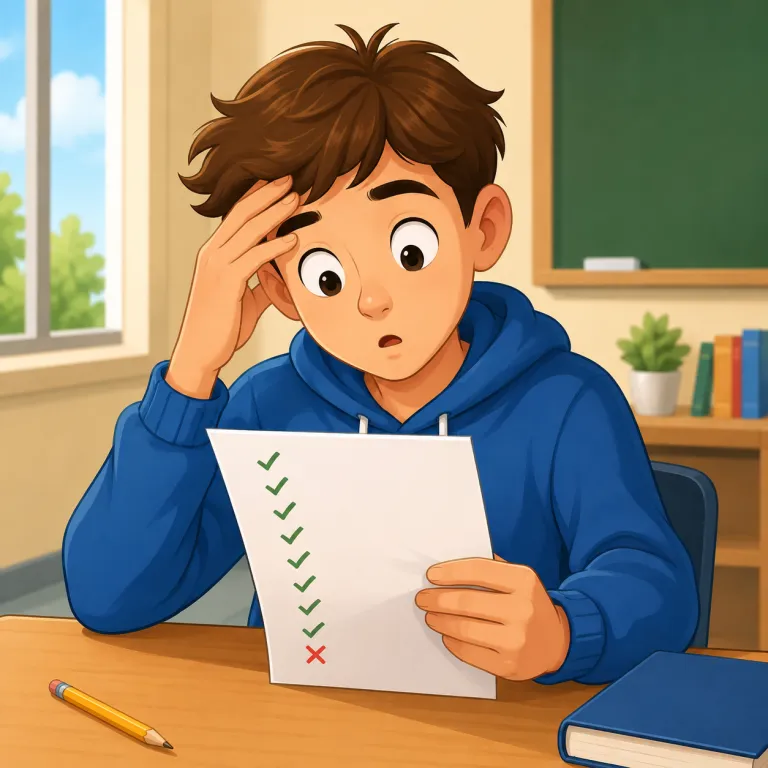
slip は「つるっと滑る」。そこから、順調に進んでいた行動や発言が一瞬ずれて、小さなミスになる感覚で覚えると残りやすいです。fail より軽く、mess up ほど全体を台無しにした響きも弱めで、「うっかりやらかす」に近い表現。up は結果としてミスが表に出る感じを足します。会議で言い間違える、メールで1点見落とす、約束を軽く忘れる、のような細部の失敗に合いやすく、I slipped up. や a slip-up をセットで覚えると定着しやすいです。
`Slip` means to slide by mistake, so `slip up` is like making a small mistake because something suddenly goes off track. It usually sounds lighter than `fail` or `mess up`. Remember both forms together: `I slipped up` and `a slip-up`.
例文
He slipped up on the last problem and lost the lead.
彼は最後の問題でうっかりミスをしてリードを失った。
Don’t slip up when you give the presentation.
プレゼン中にうっかりミスをしないでください。
Be careful not to slip up while entering the numbers.
数字を入力するときにうっかり間違えないように注意してください。
slip up の類義語・関連語
slip up の語源・成り立ち Etymology
slipは中低地ドイツ語slippen「滑る」に由来し、upは「完全に」を強調する副詞。滑って転ぶイメージから「うっかり間違える」意味に発展した。関連語slipperyも同根。日常的な小さな失敗やミスに使われる口語的表現。
Slip probably comes from Low German or Dutch forms like slippen, meaning "to slide." The particle up often adds a sense of completion or emphasis in phrasal verbs. The image of sliding or losing your footing led to the later idea of making a small mistake. Slippery is a related English word.
同じレベルの語彙をもっと
英検準1級の一覧へ →外部辞書で調べる
この英熟語をクイズで覚えよう