unison
unison は英検1級レベルの英単語で、「ユニゾン、一致、調和、同時に、一斉に」という意味があります。発音記号は /ˈjuːnɪsən/ です。
意味一覧 (3件)
ユニゾン
解説 Definition
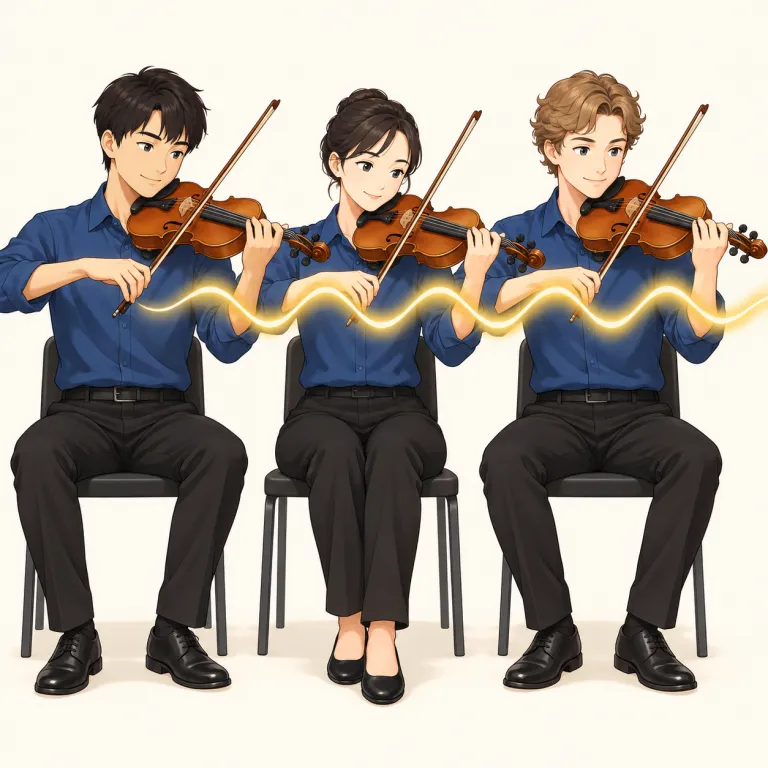
同じ音を同時に声や楽器で出すことを意味する音楽用語です。複数の声部や楽器が完全に同じメロディーを合わせることで、響きに一体感が生まれます。合唱やオーケストラで音程やリズムをそろえて演奏している状態を指します。
Unison means doing or saying something together at exactly the same time. It is often used in music, speech, or group movement, especially in the phrase "in unison."
覚え方のコツ Memory Tip
uni- は uniform・unique のように「1つ」を表す形として覚えておくと役立ちます。unison はそこに sound / sonic を連想させる形が重なり、「1つの音」→「みんなが同じ音や動きをそろえる」というイメージで入れると定着しやすいです。実際は in unison で見ることが多く、sing in unison, speak in unison, move in unison のように「声をそろえて・一斉に」で覚えるのが実用的。harmony が「違う音が調和する」のに対し、unison は「同じ音をぴたりと重ねる」点が違います。
The prefix `uni-` means one, like in `uniform` or `unique`. So `unison` suggests one sound or one movement together. It is often seen in the phrase `in unison`, such as `sing in unison` or `move in unison`. Remember it by contrasting it with `harmony`, where different sounds combine instead of matching exactly.
例文
The choir sang in perfect unison.
その合唱団は完璧なユニゾンで歌った。
The violins played the opening melody in unison.
バイオリンは冒頭の旋律をユニゾンで演奏した。
The two singers began the chorus in unison before splitting into harmony.
二人の歌手はハーモニーに分かれる前に、サビをユニゾンで歌い始めた。
一致、調和
(意味 2)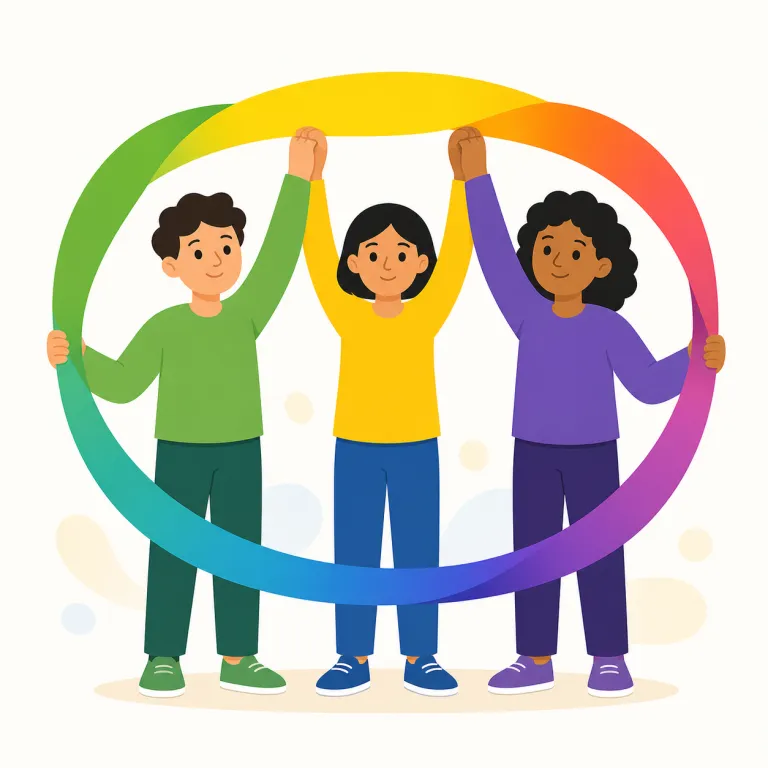
解説 Definition
複数の人の意見・行動・考えがそろっている状態や、全体が食い違わず調和していることを表す名詞です。会議での合意、組織内の足並み、立場や方針の一致など、音楽以外の一般的な文脈でも使われます。完全な同意そのものより、ばらつきがなく一つにまとまっている感じを含みます。
A state in which several people share the same position or act together without disagreement. It suggests that a group is united and coordinated as one.
例文
The committee members spoke in unison against the proposal.
委員たちはその提案に反対して足並みをそろえて発言した。
The two departments worked in unison to solve the problem.
二つの部門はその問題を解決するために一致協力して取り組んだ。
For once, the rival parties acted in unison.
そのときばかりは、対立する政党が足並みをそろえて行動した。
同時に、一斉に
(意味 3)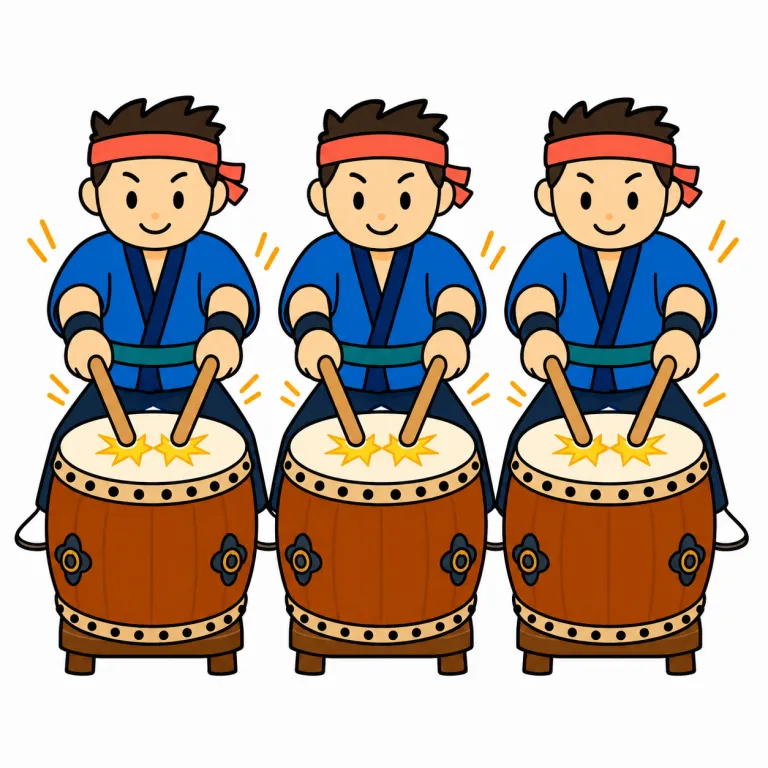
解説 Definition
主に in unison の形で、複数の人や物が同じタイミングで同じ動作や発言をすることを表します。声をそろえて答える、皆が一緒に立ち上がる、同じ方向へ動くといった場面で使われ、そろい方の見事さや統一感も含意します。
Used mainly in the phrase “in ___” when several people or things speak, move, or act together at exactly the same time. It often emphasizes how closely coordinated their actions are.
例文
The students answered in unison.
生徒たちは一斉に答えた。
Everyone stood up in unison when the judge entered.
裁判官が入ると、全員が同時に立ち上がった。
The crowd shouted her name in unison.
群衆は彼女の名前を声をそろえて叫んだ。
unison の類義語・関連語
unison の語源・成り立ち Etymology
unison はラテン語 unisonus に由来し、uni-「一つ」+ sonus「音」から成ります。sonic や consonant も同じ音の語根をもち、「一つの音で鳴る」ことから、斉唱や一致した響きを表す語になったとわかります。
Unison comes from Latin unisonus, made from uni- "one" and sonus "sound." It originally meant "sounding as one." From that musical idea, it came to express people or things acting or sounding together; sonic and consonant share the same sound root.
同じレベルの語彙をもっと
英検1級の一覧へ →外部辞書で調べる
この英単語をクイズで覚えよう