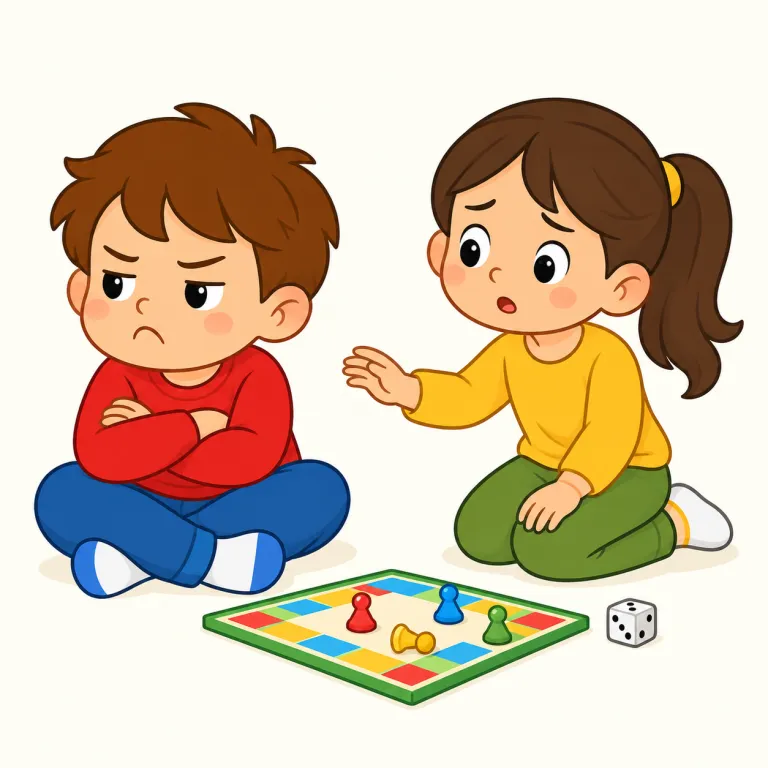
不機嫌な
解説 Definition
sulking は sulk(すねる、ふくれる)の現在分詞で、形容詞としては不機嫌な、すねたという意味です。怒りや不満を口に出さず、むっつりしている様子を表します。
Sulking describes someone who is silently showing anger, resentment, or disappointment, often by withdrawing from others or refusing to participate. It can also describe the person’s expression or behavior, as in “a sulking child.”
覚え方のコツ Memory Tip
sulk「すねる、むっつりする」に -ing を付けた形で、綴りはそのまま sulking、発音は /ˈsʌlkɪŋ/。形容詞では a sulking child や a sulking look のように、怒りや不満を言葉にせず、黙って人を避ける様子を表す。単なる sad より「すねた態度」が中心。
Link sulking directly to the verb sulk: it is formed by adding -ing without changing the spelling of the base, and it is pronounced /ˈsʌlkɪŋ/. Picture a child sitting apart after losing a game, refusing to speak or join the group. That scene captures the important nuance: sulking is not simply feeling sad or angry; it involves displaying resentment through silence, withdrawal, or an uncooperative manner. Common combinations include “a sulking child,” “a sulking expression,” and “sit sulking.” As an adjective, it identifies the person or behavior showing this quiet displeasure.
例文
The sulking child sat alone by the window.
すねた子どもは窓のそばに一人で座っていました。
He gave a sulking look after the game ended.
試合が終わったあと、彼は不機嫌そうな顔をしました。
A sulking student refused to join the group discussion.
不機嫌な生徒はグループ討論に加わろうとしませんでした。
sulking の類義語・関連語
sulking の語源・成り立ち Etymology
中英語 sulken(怠惰な)に由来し、古英語 solcen(鈍い、怠けた)と関連する。sullen(不機嫌な)と同根で、元は「動きが鈍い→引きこもる→むくれる」と意味が変化した。
Sulking is the -ing form of sulk, used here adjectivally. Sulk entered English from earlier forms associated with sluggishness, silence, or withdrawal, and its meaning developed toward remaining apart while showing resentment. It has also been connected historically with sullen, though the precise development is not entirely certain. In modern formation, sulking simply adds -ing to sulk without deleting or doubling a letter.
同じレベルの語彙をもっと
外部辞書で調べる
この英単語をクイズで覚えよう