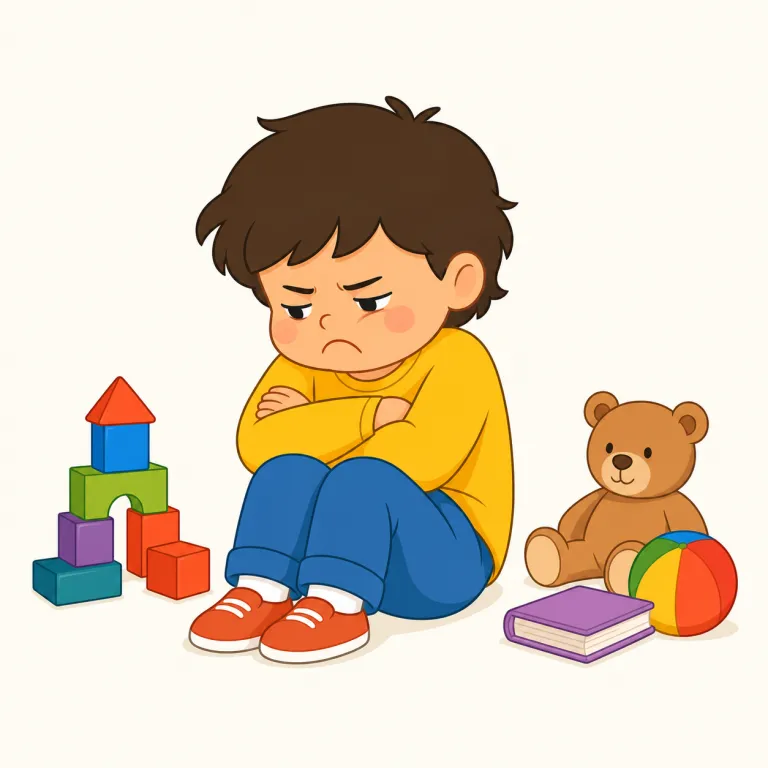
sulk
sulk は英検1級レベルの英単語で、「不機嫌になる」という意味があります。発音記号は /ˈsʌlk/ です。
不機嫌になる
解説 Definition
不機嫌になること、または気分を害して黙り込むことです。何かに満足できず、つまらなそうにふるまう状態を表します。
To sulk means to stay silent and show that you are upset, often because you are disappointed, offended, or angry. A person who sulks usually does not express their feelings openly and instead shows bad mood through their behavior. It is often used when the reaction seems childish or stubborn.
覚え方のコツ Memory Tip
sulk は angry のように表立って怒鳴るのでなく、気を悪くして quiet になり、口をきかずふくれる感じで覚えると残りやすいです。子どもが注意されて黙り込む、試合に負けて一人で sulk する、そんな『不満はあるが言い返さず態度に出す』場面が典型。complain は不満を言葉に出し、pout は口をとがらせる表情寄りですが、sulk は黙って機嫌の悪さを引きずる語。go off and sulk、sulk in silence、形容詞 sulky も一緒に押さえると定着します。
`Sulk` is not loud anger; it is quiet bad mood. Think of someone who goes silent, walks away, and stays upset instead of arguing. Phrases like `go off and sulk` or `sulk in silence` make the picture easy to remember.
例文
After losing the game, he started to sulk in the corner.
ゲームに負けた後、彼はすねて隅に引っ込んでいました。
She tends to sulk when she doesn't get her way.
彼女は自分の思い通りにならないと、不機嫌になる傾向があります。
Don't sulk; let's talk about what's bothering you.
すねないで、何が気にかかっているのか話しましょう。
sulk の類義語・関連語
類義語
派生語
sulk の語源・成り立ち Etymology
sulk は sulky からの逆成で、語源は古英語 āseolcan「しおれる・元気を失う」に結びつくと考えられます。sulky や sulkiness が同じ語族で、『気分がしぼんで黙り込む』という原像を思うと、「不機嫌になる」の感じが見えます。
Sulk was probably formed back from sulky, rather than the other way around. It is thought to be connected with Old English aseolcan, meaning to grow weak, fade, or lose spirit. That older image of sinking or drooping helps explain how the word came to mean withdrawing into a bad mood.
同じレベルの語彙をもっと
英検1級の一覧へ →外部辞書で調べる
この英単語をクイズで覚えよう