一人乗り二輪馬車
noun 名詞一人が乗る軽量の二輪馬車を指し、特に繋駕競走で競走馬の後ろにつなぐ車両について使います。形容詞の「不機嫌な」とは語源的には関連するものの、現代では明確に異なる名詞の語義です。
不機嫌でむくれた、すねた態度を示す様子を表す形容詞。
Sulky means quietly bad-tempered and unhappy, often because someone feels hurt, disappointed, or angry. It usually describes a person's mood when they refuse to talk or act friendly.
sulk「すねる」を知っていると覚えやすい語。sulky はその“すねた空気”が顔や態度に出ている感じで、怒鳴ったり爆発する angry とは違い、黙ってむくれるイメージ。語尾 -y で「〜っぽい状態」の形容詞になっていると見ると、sulk → sulky の関係が残りやすい。a sulky child, a sulky expression のように人や表情によく付く。grumpy は文句が多い不機嫌、moody は気分屋、sulky は傷ついたり思い通りにならず“すねている”不機嫌。
Link it to the verb `sulk`, which means to stay quiet and unhappy after feeling hurt or disappointed. `Sulky` is the adjective for that mood or expression. It is not loud anger; it is more like silent, stubborn bad temper.
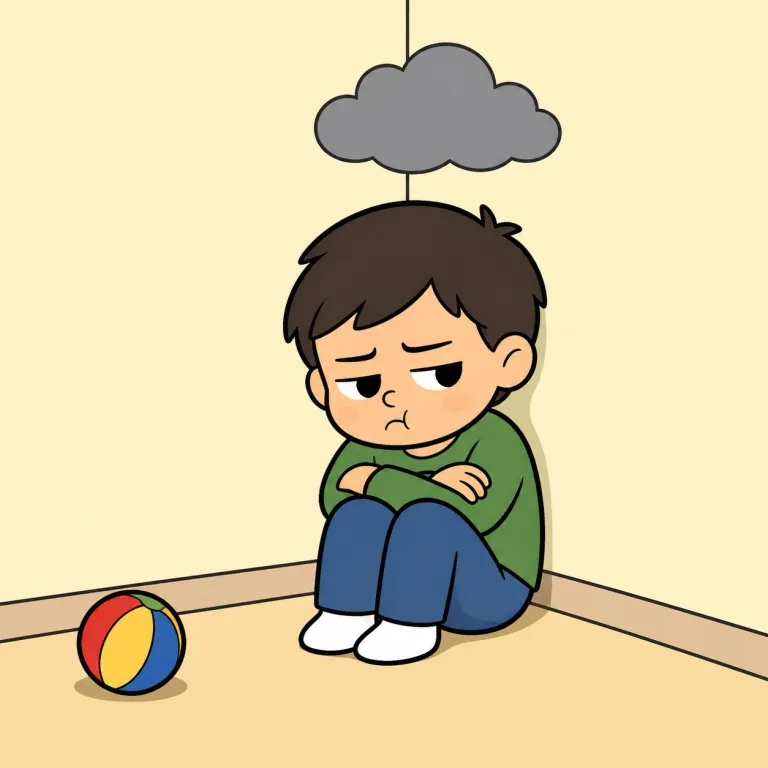
The child sat in the corner with a sulky expression after being scolded.
叱られた後、その子どもは不機嫌な表情で隅に座っていた。
He gave a sulky shrug when asked why he hadn't finished his homework.
宿題を終えていない理由を聞かれると、彼は不機嫌そうに肩をすくめた。
Her sulky attitude made it difficult for her colleagues to work with her.
彼女の不機嫌な態度のせいで、同僚たちは一緒に働きにくかった。
文脈によって、次の意味でも使われます。
一人が乗る軽量の二輪馬車を指し、特に繋駕競走で競走馬の後ろにつなぐ車両について使います。形容詞の「不機嫌な」とは語源的には関連するものの、現代では明確に異なる名詞の語義です。
sulky は語源不詳気味ですが、古英語 aseolcan「弱る・のろくなる」に結びつけられ、ゲルマン祖語 *seklan にさかのぼると考えられます。はきはき動けない鈍さが、ふてくされて黙り込む不機嫌さへ移ったと見ると意味変化が見え、sulk や sulkiness が近縁です。
Sulky has an uncertain history, but it is often connected with sulk and possibly with older Germanic words meaning to become weak, slow, or sluggish. The idea seems to have shifted from dull or heavy behavior to the mood of silent resentment or bad temper. Sulk and sulkiness are its closest English relatives.
この英単語をクイズで覚えよう