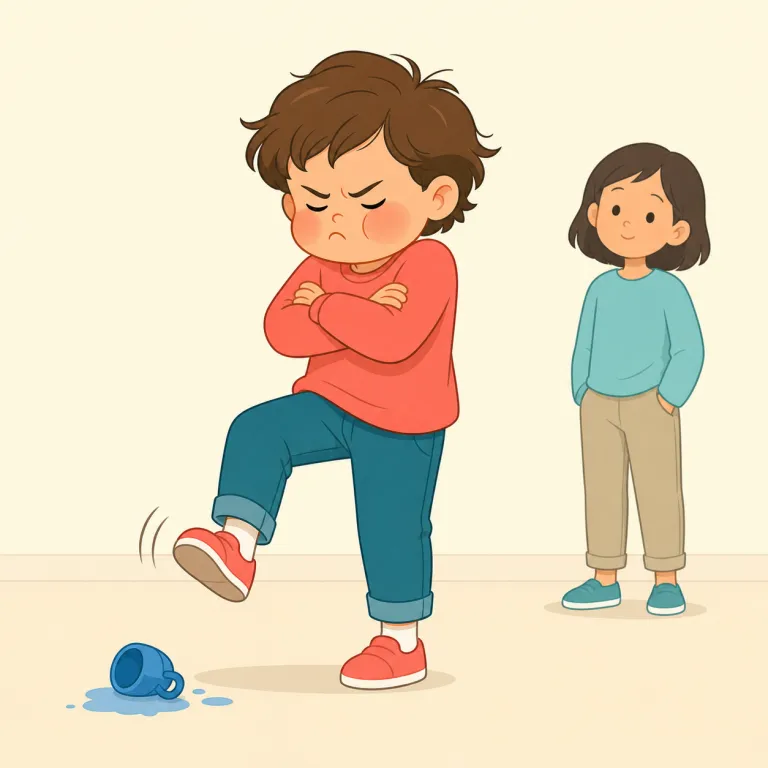
petulant
petulant は英検1級レベルの英単語で、「短気な」という意味があります。発音記号は /ˈpɛtʃələnt/ です。
短気な
解説 Definition
ちょっとしたことで不機嫌になりやすい、気難しい性格や態度のことです。すぐにふくれたり怒ったりする傾向があり、機嫌が不安定な様子を表します。
Petulant describes someone who is easily annoyed and reacts in a childish, bad-tempered way. It is often used when a person seems rude or impatient because they did not get what they wanted.
覚え方のコツ Memory Tip
petulant は「すぐむっとする、子どもっぽい不機嫌さ」で覚えると残りやすい。怒りが爆発する angry や furious ほど強くなく、ちょっとしたことで機嫌を悪くしてふくれる感じ。文脈では a petulant child, a petulant tone のように、人や話し方に付きやすい。sulky に近いが、わがままに反発する気配がやや強い。語尾 -ant は形容詞で、arrogant などと同じ形だと見ておくと判別しやすい。
Remember `petulant` as a word for childish bad temper, not strong adult rage. It fits someone who gets upset easily and shows it in a small, sulky way, like `a petulant child` or `a petulant tone`. The ending `-ant` also helps it look like other adjectives such as `arrogant`.
例文
The petulant child refused to eat vegetables at dinner.
気難しい子供は夕食で野菜を食べるのを拒否しました。
Her petulant behavior made it difficult for others to work with her.
彼女の短気な態度のせいで、ほかの人は彼女と一緒に働くのが難しかったです。
The petulant teenager slammed the door and walked out of the room.
その気難しい十代の若者はドアを勢いよく閉め、部屋を出て行きました。
petulant の類義語・関連語
petulant の語源・成り立ち Etymology
petulant はフランス語 petulant を経て、ラテン語 petulans「生意気な、向こう見ずな」に由来します。これは petere「求める・襲いかかる」と同根で、「我を通そうとして突っかかる」感じが「短気で不機嫌」へつながりました。関連語は petition, appetite。
Petulant came into English through French from Latin petulans, meaning "forward," "impudent," or "aggressive." It is related to the Latin verb petere, "to seek" or "attack," which also gave English words like petition and appetite. The sense moved from pushing oneself forward too boldly to being bad-tempered and irritable.
同じレベルの英単語をもっと
英検1級の一覧へ →外部辞書で調べる
この単語を英単語クイズで覚えよう