えいたんごクイズ
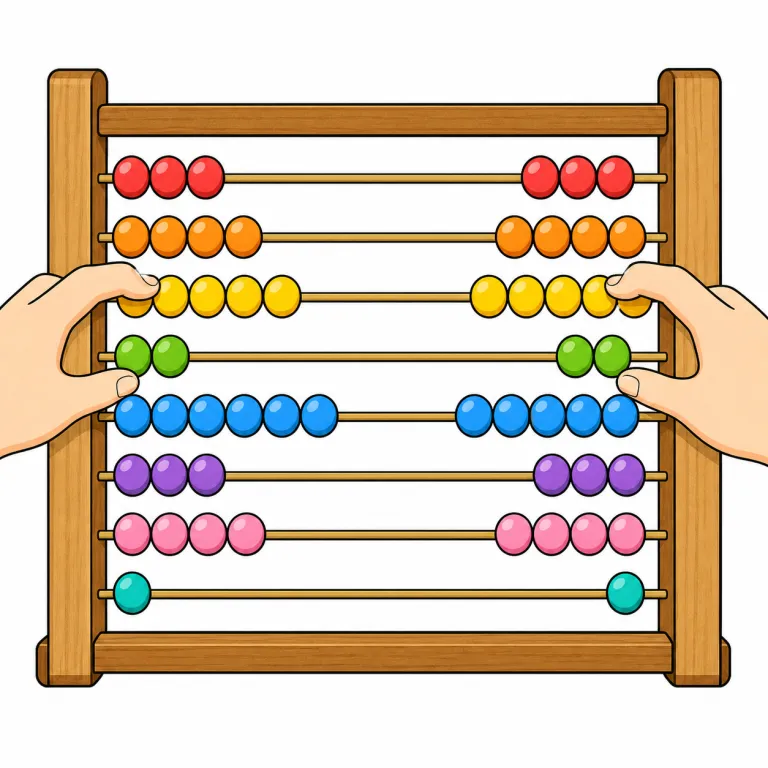
sum up(要約する・句動詞)の覚え方イラスト — sum up の「要約する」は、数字を足す sum から広げて、話や情報の要点を一つに集める使い方です

sum up

/ˈsʌm ˈʌp/

sum up は英検準1級・英検1級レベルの英単語で、「要約する、合計する」という意味があります。発音記号は /ˈsʌm ˈʌp/ です。

意味一覧 (3件)

phrasal_verb

要約ようやくする

解説 Definition

話や議論の要点をまとめて簡潔に述べること。

To sum up means to express the main points of something in a short and clear way. It is commonly used at the end of a speech, discussion, or piece of writing. This phrasal verb helps show the final conclusion or overall idea.

覚え方のコツ Memory Tip

sum up の「要約する」は、数字を足す sum から広げて、話や情報の要点を一つに集める使い方です。会議、講義、発表、メールの結論部分などで、細部をすべて述べるのではなく、重要な点だけを短く整理します。To sum up, ... は「要するに」の定型表現として頻出です。discussion, points, argument など内容を目的語に取りやすいことも覚えておきましょう。

Connect sum up with sum and summary. You gather all the main points together and give the short final version. It often appears at the end of a talk, meeting, email, or discussion. To sum up, ... is a common way to begin a final summary.

例文

To sum up, the project was a success despite the initial difficulties.

要約すると、当初の困難にもかかわらずプロジェクトは成功だった。

The professor summed up the key points at the end of the lecture.

教授は講義の最後に要点を要約した。

Let me sum up what we've discussed so far.

ここまで話し合ったことを要約させてください。

phrasal_verb

合計ごうけいする

(意味 2)

解説 Definition

sum up は、複数の数字や金額を足して合計を出すときに使う句動詞です。請求額、費用、点数、票数など、個々の項目をまとめて総額・総数を知りたい場面で使います。日常会話でも、計算結果を確認する文脈で自然に使われます。

"Sum up" means to add several numbers or amounts together to get a total. It is often used for things like costs, scores, votes, or bills when you want to know the final number. In everyday English, it sounds natural when you check or report the result of a calculation.

覚え方のコツ Memory Tip

sum は名詞で「合計」、動詞で「合計する」という基本語です。up は句動詞で「最後まで、完全に」の感覚を足すことが多く、sum up はばらばらの数値を最後まで足して一つの総額・総数にする、と考えると覚えやすいです。add up も近いですが、sum up は費用・票・点数などを集計して結果を出す場面に合います。同じ形で「要約する」もあるため、数字や金額が目的語なら計算の意味だと判断します。

Think of "sum" as the basic word for a total or for adding numbers. In many phrasal verbs, "up" gives the feeling of completing something, so "sum up" means adding everything completely until you reach one final total. It is close to "add up," but "sum up" is especially natural for counting costs, votes, or scores. Be careful, because "sum up" can also mean "summarize" when the object is not numbers or money.

例文

Can you sum up these numbers for me?

この数字を合計してくれる?

We summed up the costs and found that the trip was more expensive than we expected.

費用を合計したところ、その旅行は思ったより高かったと分かった。

The clerk summed up the votes before announcing the result.

店員は結果を発表する前に票数を合計した。

verb

合計ごうけいする

(意味 3)

解説 Definition

複数の数や金額を足し合わせて、全体の合計を出すことを表します。請求額や費用、得点、数量などを計算するときによく使われ、数字をまとめて一つの合計値にする場面で用いられます。

To sum up means to add several numbers or amounts together and find the total. It is often used when you calculate a bill, a cost, a score, or a quantity. The phrase focuses on putting separate figures together into one final amount.

覚え方のコツ Memory Tip

sum はラテン語系の summa「総額・全体」とつながる語で、up は散らばった数や要点を一つにまとめ上げる感覚を添えます。sum up the costs なら費用を合計する、sum up the results なら結果を要約する意味にもなります。add up は数値が正しく合う感じが強く、sum up は計算して全体像を出す動詞として覚えると使い分けやすいです。

Think of sum as "total" and up as "bring everything together." When you sum up, you pull separate numbers upward into one final amount. This image can help you remember that the phrase means "calculate the total."

例文

Can you sum up these prices for me?

これらの金額を合計してくれますか。

She summed up the team’s points after the game.

彼女は試合のあとでチームの得点を合計した。

The accountant summed up all the monthly expenses in a spreadsheet.

会計担当者は月ごとの費用をすべて表計算で合計した。

sum up の語源・成り立ち Etymology

sum はラテン語 summa「全体・総額」、up は古英語 up「上へ・完全に」に由来します。語源的には「散らばった要素を上に集めて全体にする」で、そこから要点を一つにまとめる「要約する」になりました。summarysummarize も同系で、全体像を回収する感覚が共通します。

Sum comes from Latin summa, meaning the whole or total amount, and up comes from Old English up, often adding the idea of completion. Together, the phrase first suggested gathering separate parts into a full whole. That later developed into the sense of bringing main points together in a short final statement, like summary and summarize.

外部辞書で調べる

この単語をシェア

この単語を英単語クイズで覚えよう