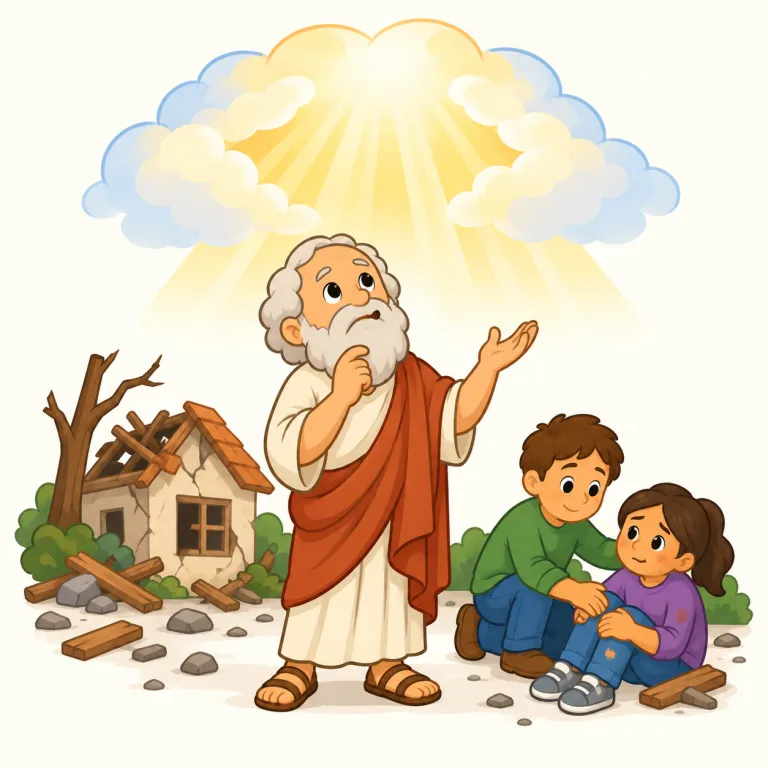
神義論・弁神論
解説 Definition
悪の存在と全能神の共存に関する神学的問題。神義論または神学的正当化を指します。
Theodicy is the attempt to explain how a good and powerful God can allow evil and suffering in the world. It is a term used in philosophy and religion. The word usually refers to ideas or arguments, not to everyday conversation.
覚え方のコツ Memory Tip
theo- は theology, atheist, monotheism などに共通する「神」まわりの目印。まずこの語を見たら、宗教・神学の文脈だと固定する。theology が神について広く扱う学問名なのに対し、theodicy は範囲がぐっと狭く、「悪が存在するのに、神はなお善で全能だとどう説明するか」という“神を弁護する議論”に特化した語。哲学書で problem of evil と並んだらこの語、というセットで覚えると定着しやすい。
Use `theo-` as your memory signal for God, as in `theology` or `monotheism`. Then remember that this is not general religion talk, but a very specific argument word. If you see it near the `problem of evil`, you are probably in the right area.
例文
Theodicy attempts to justify God's goodness despite evil.
神義論は悪にもかかわらず神の善さを正当化しようとします。
The philosopher addressed theodicy in his theological work.
その哲学者は自身の神学的著作で神義論を論じました。
Theodicy asks why an all-powerful and good God permits evil.
神義論は、全能で善なる神がなぜ悪を許すのかを問います。
theodicy の類義語・関連語
theodicy の語源・成り立ち Etymology
ギリシャ語 theos「神」+ dikē「正義・裁き」の合成語。ライプニッツが1710年に著書名として造語し、「全能の神がなぜ悪を許すのか」を正当化する議論を指す。関連語: theology(神学)、theodore(神の贈り物、人名テオドール)。
Theodicy is built from Greek theos, meaning "god," and dikē, meaning "justice" or "judgment." The modern term was coined by Leibniz in 1710 as the title of a work about defending God's justice in the presence of evil. So the word's history is not ancient usage but a learned modern creation from Greek parts. Related words include theology.
同じレベルの語彙をもっと
外部辞書で調べる
この英単語をクイズで覚えよう