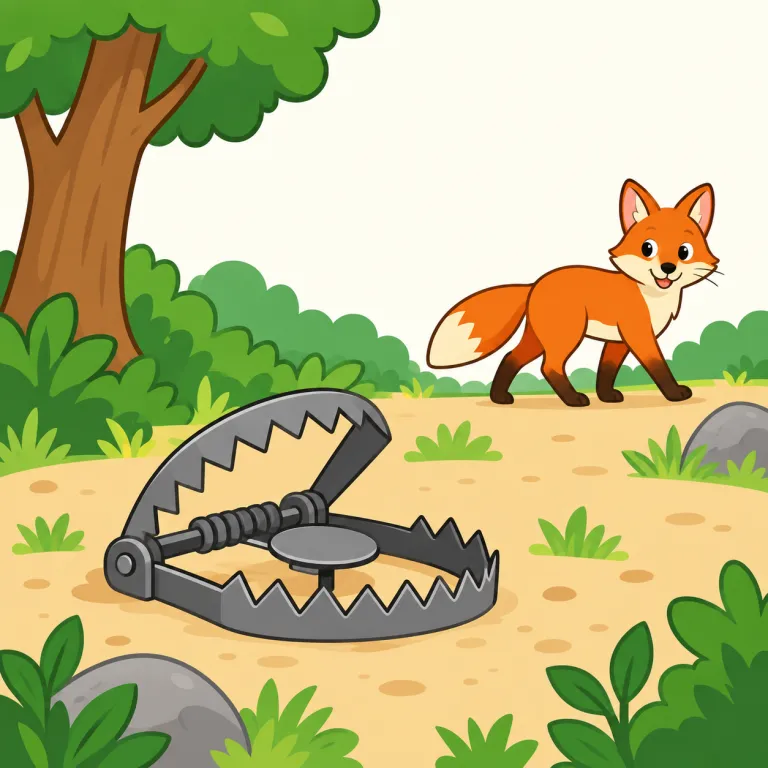
罠猟 / 装飾品
解説 Definition
trapping は trap(わなで捕らえる)の動名詞・現在分詞に由来し、罠猟やわなで捕獲することを意味します。また名詞として、馬具などの装飾品を指す場合もあります。
Trapping is the activity of catching animals with traps, especially as a regulated form of hunting. In another, less common noun use, a trapping is an ornamental covering, fitting, or piece of equipment, particularly one used on a horse.
覚え方のコツ Memory Tip
原形 trap の短母音の後の p を重ねて -ing を付けた形で、発音は /ˈtræpɪŋ/ です。罠猟の意味では safe trapping・trapping rules のように、わなで動物を捕獲する行為を指します。装飾品の意味では特に horse trapping や複数形 trappings が使われるため、文脈で区別しましょう。
Form trapping from trap by doubling the final p before adding -ing: trap becomes trapping, pronounced /ˈtræpɪŋ/. The doubled consonant helps preserve the short vowel in trap. For the main sense, picture regulated trapping in a protected area, with rules about safe methods and permitted species. A separate noun sense refers to decorative equipment or coverings, especially for a horse. This ornamental sense is often encountered in the plural trappings, so use the surrounding words to decide whether the context concerns hunting or decoration.
例文
Trapping is restricted in this protected area.
この保護区域では罠猟が制限されています。
The course explains the rules for safe trapping.
その講座では、安全な罠猟の規則を説明します。
The museum displayed a ceremonial horse trapping.
博物館には儀式用の馬の装飾品が展示されていました。
trapping の類義語・関連語
類義語
対義語
派生語
紛らわしい語
trapping の語源・成り立ち Etymology
trapping は trap の名詞形で、trap は中英語 trappe、さらに古フランス語やゲルマン系の「わな・落とし戸」を表す語に由来するとされます。そこから「わな猟」の意味が生まれ、転じて衣服や馬具の「付属的な飾り」の意味にも広がりました。関連語は entrap, trapdoor です。
Trapping is formed from trap by doubling the final consonant and adding -ing. Trap entered Middle English as trappe, associated with Old French and Germanic words for a snare or trapdoor. The activity noun naturally developed the sense of catching animals with such devices. English trapping and the more frequent plural trappings also came to denote equipment, coverings, or ornamental accessories, especially those placed on horses.
同じレベルの語彙をもっと
外部辞書で調べる
この英単語をクイズで覚えよう