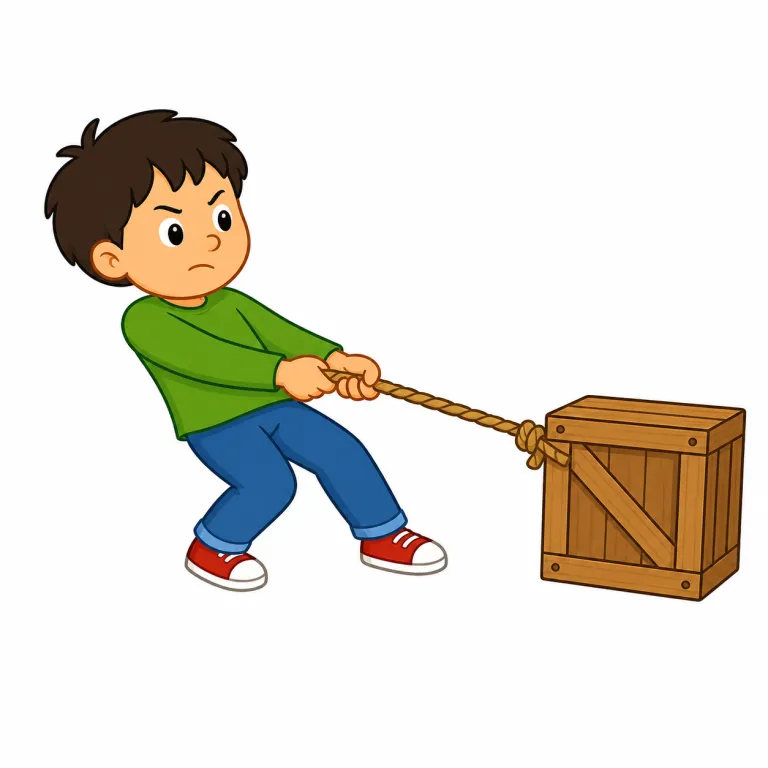
tug
tug は英検準1級・TOEIC 860・TOEFL 80・IELTS 6.5レベルの英単語で、「強く引く、引っ張り、タグボート」という意味があります。発音記号は /ˈtʌɡ/ です。
意味一覧 (2件)
強く引く
/ noun 名詞 引っ張り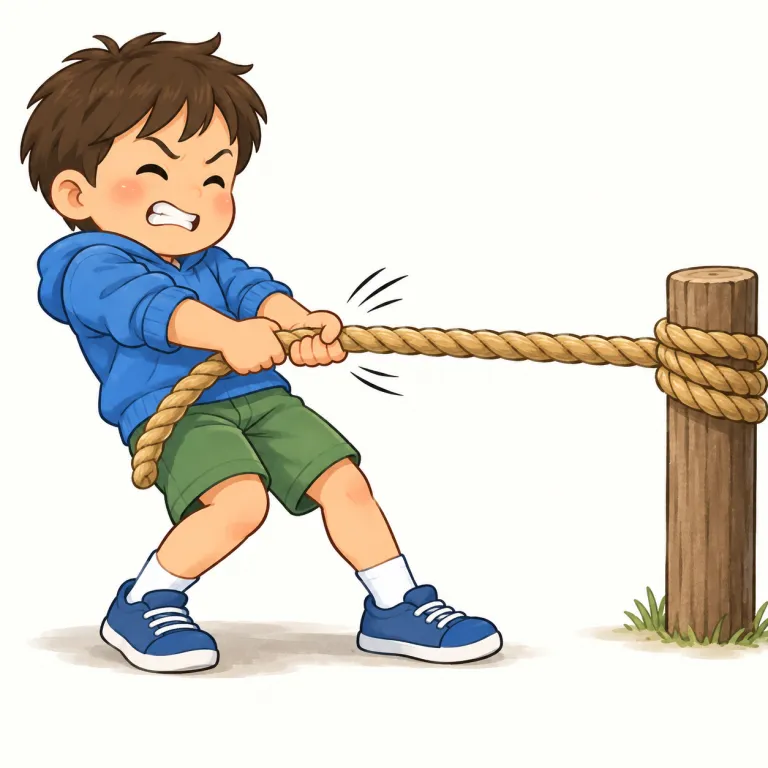
解説 Definition
物を力を入れてぐいっと引くことを表します。軽く引くのではなく、動かしにくい物や相手を強い力で引っぱる動作を指します。
To pull something with force, often because it is hard to move. It usually suggests a short, strong pull.
覚え方のコツ Memory Tip
tug は、ただ軽く pull するのでなく、抵抗する物を「ぐいっ」と力を込めて引く動作です。両手で固いロープをつかみ、体重を後ろへかける場面を思い浮かべると定着しやすいでしょう。tug the rope、tug the door のほか、子どもが注意を引こうとして tug at/on her mother's sleeve「母親の袖をぐいぐい引く」という形も頻出です。一回の強い動きにも、繰り返し引く動きにも使えると押さえると、一般的な pull と区別しやすくなります。
Picture someone giving a rope a strong, quick pull. Tug feels like a small word for a strong pull.
例文
He tugged the rope with both hands.
彼は両手でロープを強く引きました。
The child tugged her mother's sleeve.
その子は母親のそでをぐいっと引っぱりました。
I tugged the door, but it would not open.
私はドアを強く引きましたが、開きませんでした。
タグボート
(意味 2)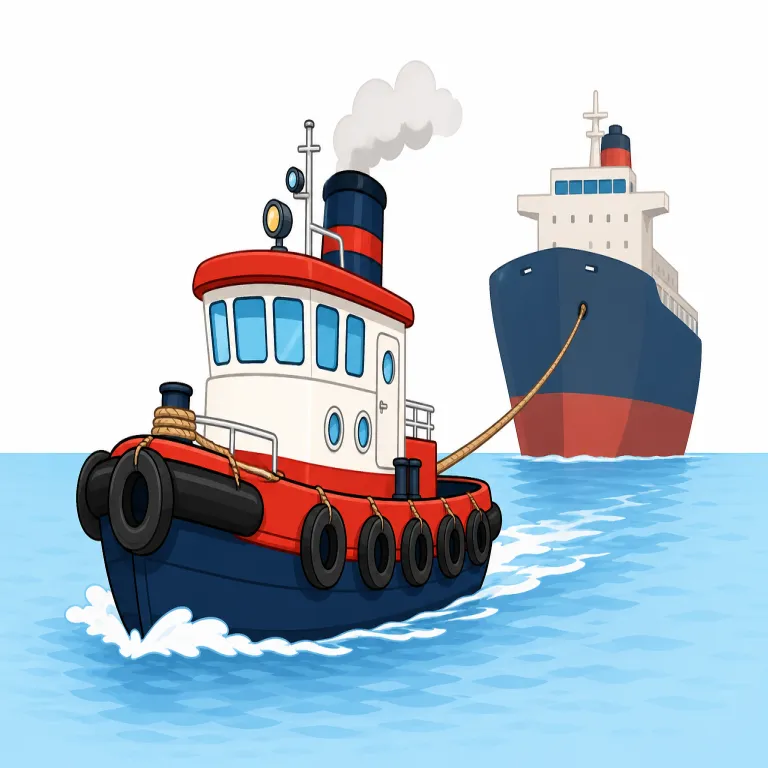
解説 Definition
港や川で大型船を押したり引いたりして動かす、小型で力の強い船を指す名詞です。自力での細かな操船が難しい場面で使われ、入港・出港やえい航の文脈でよく現れます。商船や作業船を補助する役割が中心です。
A small, powerful boat that pushes or pulls larger vessels to help them move. It is often used in harbors or rivers, especially when a large ship needs help entering, leaving, or approaching a dock.
覚え方のコツ Memory Tip
tug はもともと「ぐっと力をこめて引く」感覚の語なので、tug を船で見たら「大きな船を押したり引いたりする力持ちの小型船」と覚えるとよいです。give the rope a tug のような「ひと引き」とは別に、港で cargo ship を動かす tug は tugboat の短い言い方。小さいのに強く、入港や出港を助ける船、という絵で定着させるとこの語義に合います。
Picture a small but powerful boat helping a huge cargo ship move through a harbor. Tug is short for tugboat, and the idea of pulling firmly helps you remember its job.
例文
The tug guided the cargo ship into the harbor.
タグボートが貨物船を港内へ導いた。
A tug was waiting near the dock.
岸壁の近くでタグボートが待機していた。
Two tugs helped move the damaged vessel.
2隻のタグボートが損傷した船の移動を助けた。
tug の語源・成り立ち Etymology
中英語の tuggen にさかのぼる語で、「強く引く」という意味で使われていました。さらに古い由来にははっきりしない点がありますが、昔から力をこめて引く動作を表す語です。
Tug goes back to Middle English tuggen, meaning "to pull hard." Its earlier origin is uncertain, but the word has long been used for forceful pulling.
同じレベルの語彙をもっと
英検準1級の一覧へ →外部辞書で調べる
この英単語をクイズで覚えよう