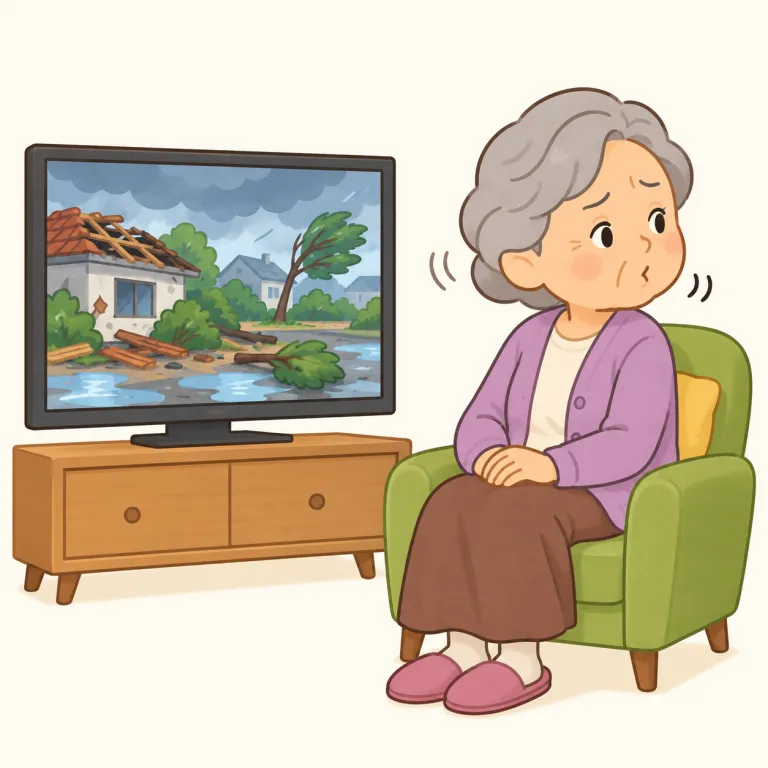
舌打ちする
解説 Definition
tuts は動詞 tut の三人称単数現在形で、不満・いら立ち・失望などを示して舌打ちすることを表します。
Tuts is the third-person singular present form of tut, meaning to make a short clicking sound with the tongue to show disapproval, impatience, disappointment, or mild annoyance.
使い方 Usage
- tuts at ~ で、舌打ちの対象を示せます。tuts disapprovingly は不賛成を示して舌打ちする様子です。 Use tuts at to identify what prompts the tongue click. Tuts disapprovingly describes a click expressing disapproval.
覚え方のコツ Memory Tip
舌打ちの音をまねた tut に、she や he に対応する -s が付いた形です。舌打ちをして首を横に振る姿と結び付けましょう。語尾の -s は /s/ と発音します。
Tut imitates a tongue click; add -s with a subject such as she or he. Picture someone clicking their tongue and shaking their head. The final -s is pronounced /s/.
例文
She tuts disapprovingly at his behavior.
彼女は彼の振る舞いに不満を示して舌打ちします。
The elderly woman tuts and shakes her head at the news.
その高齢の女性はそのニュースに舌打ちをし、首を横に振ります。
tuts の類義語・関連語
類義語
派生語
tuts の語源・成り立ち Etymology
擬音語(オノマトペ)で、舌を歯の裏に当てて鳴らす「チッ」という音を模した語。16世紀頃から不満・非難を表す間投詞として使われ、動詞化した。関連語に tsk(同様の舌打ち音)がある。音そのものが語源という、言語の音象徴の典型例。
Tut is imitative in origin: it represents a short clicking sound made with the tongue to express disapproval or impatience. It was used first as an interjection and later as a verb for producing that sound. The related spelling tut-tut reproduces a repeated click, while tsk represents a similar sound. Tuts is formed regularly by adding the third-person singular present-tense ending -s to tut.
同じレベルの語彙をもっと
外部辞書で調べる
この英単語をクイズで覚えよう