understatement
控えめな表現
解説 Definition
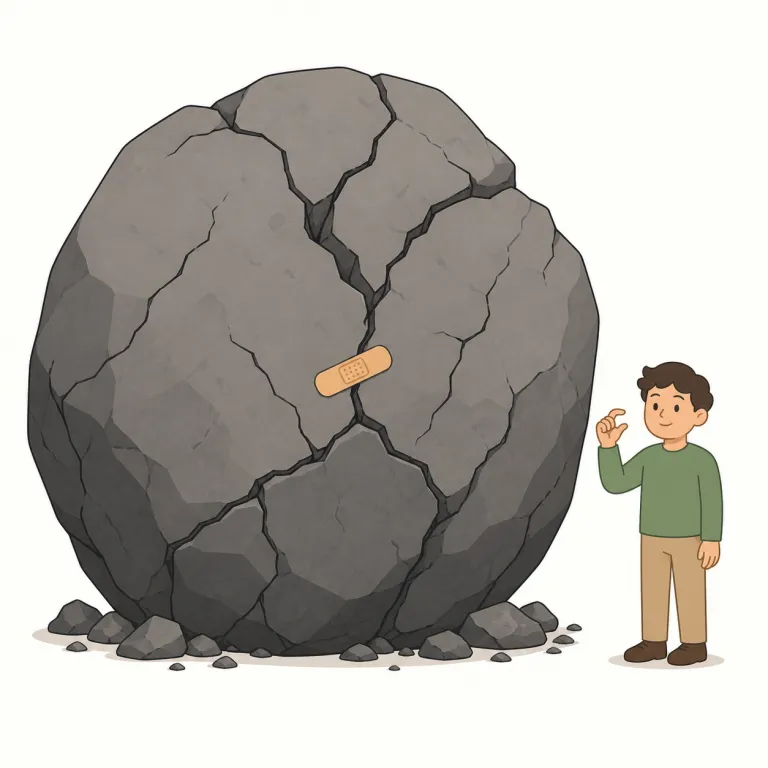
控えめな表現とは、実際の状況や感情よりも強さを抑えて伝える話し方や書き方です。たとえば深刻な問題を軽く言ったり、激しい感情を淡々と語ったりすることで、聞き手に本当の規模や重みを想像させます。文学やユーモアでは、そうした言いぶりによって反対の意味を暗示したり、緊張感を和らげたりする効果が狙われます。
An understatement is a way of describing something as smaller, weaker, or less important than it really is. People use it for humor, politeness, or to create a strong effect by sounding calm. It is a common idea in everyday speech as well as writing.
覚え方のコツ Memory Tip
understatement は statement「発言・表現」に under が付いて、「言い方を下げる」と捉えると覚えやすいです。実際より小さく、弱く、淡々と言う感覚で、overstatement(大げさな言い方)と対比すると定着します。会話では That's an understatement. で「それは控えめに言いすぎだ」の決まり文句。深刻な状況をあえて軽く言うときの語だと押さえると、単なる modest expression ではなく、意図的に重みを抑える表現だと理解できます。
See it as `under` + `statement`: a statement that stays lower than the real situation. It is the opposite of `overstatement`, so that contrast is easy to remember. The fixed phrase `That's an understatement` is especially common.
例文
Saying the earthquake caused 'a bit of damage' is quite an understatement.
地震が「少し被害をもたらした」と言うのは、かなり控えめな表現だ。
When he called the championship win 'nice,' that was a massive understatement.
彼が優勝を「よかった」と言ったのは、ものすごく控えめな表現だった。
Her understatement made the audience laugh because everyone knew how serious the situation really was.
彼女の控えめな表現は笑いを誘ったが、それは誰もが状況の深刻さを知っていたからだ。
understatement の類義語・関連語
understatement の語源・成り立ち Etymology
understatement は under「下に・控えめに」+ statement「述べること」から成る。statement はラテン語 stare「立つ」に由来し、state や status と同根。事実を実際より“低く置いて”言う感覚から、控えめな表現という意味になった。
Understatement is formed from under and statement. Statement is related to Latin stare, meaning "to stand," which also gave English state and status. The word grew from the idea of putting something "lower" than it really is in speech, so it came to mean a deliberately mild or restrained way of saying something.
同じレベルの語彙をもっと
外部辞書で調べる
この英単語をクイズで覚えよう