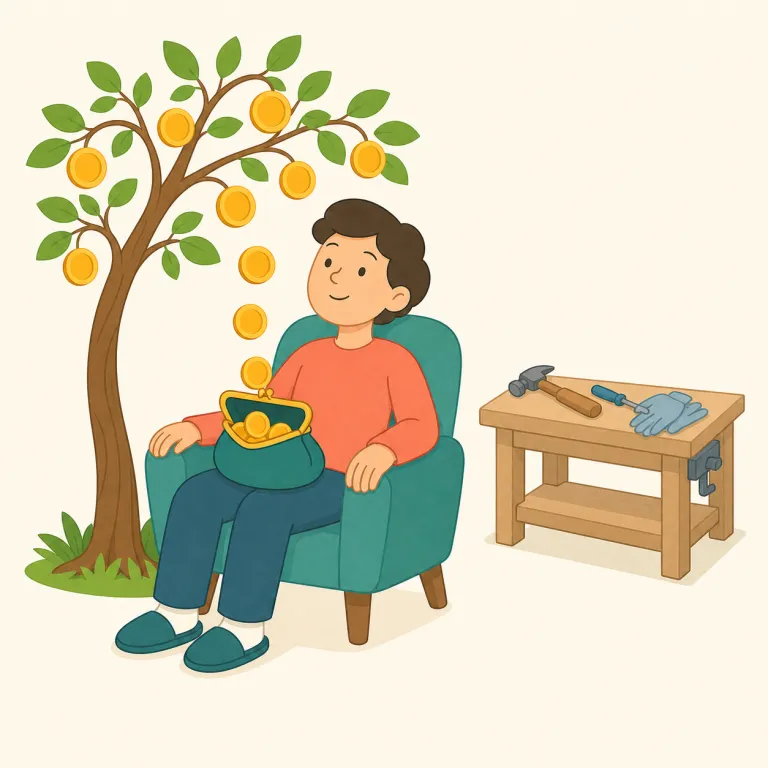
値しない、不相応な
adjective 形容詞称賛・利益・勝利などが、本人の努力や実績によって正当に得られたものではないことを表します。unearned praise や an unearned victory のように使い、収入源の分類を表す「不労の」とは異なります。
働いて得たのではない、または自分の労力に基づかないことを表す形容詞です。特に unearned income の形で、相続・利子・配当など、労働以外から得られる収入や富について述べるときによく使われます。
If something is unearned, a person receives it without working for it or deserving it through effort. It is often used about money, advantages, praise, or success that comes from luck, family background, or other outside factors. Depending on the context, the word can sound neutral, critical, or technical.
まず earn「働いて得る」を核に置くと覚えやすいです。earned income は「稼いだ収入」、そこに否定の un- が付いて unearned で「自分で働いて得たのではない」。とくに unearned income の形が頻出で、利子・配当・相続のように労働以外から入る収入を指します。earnings と同じ仲間だと意識すると定着しやすく、ここでは単に「労働によらない」という意味で、必ずしも不正や不当を表すわけではない点を押さえると混同しません。
Keep `earn` at the center: if you earn money, you get it through work. So `unearned` means not gained through your own work. It is very common in `unearned income`, so connect it with set phrases rather than learning it alone.
He received unearned income from the family trust.
彼は家族信託から不労所得を得ました。
Her inheritance was unearned wealth, not payment for work.
彼女が相続した財産は、労働の対価ではなく、働かずに得た富でした。
The tax code treats unearned income differently from wages.
税法では、労働によらない収入は賃金とは異なる扱いを受けます。
文脈によって、次の意味でも使われます。
称賛・利益・勝利などが、本人の努力や実績によって正当に得られたものではないことを表します。unearned praise や an unearned victory のように使い、収入源の分類を表す「不労の」とは異なります。
unearned は un-「否定」+ earned で、earn は古英語 earnian「働いて得る、報酬を得る」に由来します。earn や earnings と同じ流れなので、「労働や働きによって得たものではない」と考えると、unearned income「不労所得」のようなこの行の語義にきれいにつながります。
Unearned combines un- with earned. Earn goes back to Old English earnian, meaning to gain by labor or service. The idea developed from receiving something through work, so unearned came to describe something not gained by effort; earnings shares the same root.
この英単語をクイズで覚えよう