passive
passive は英検2級レベルの英単語で、「受動的な、消極的な」という意味があります。発音記号は /ˈpæsɪv/ です。
意味一覧 (2件)
受動的な
解説 Definition
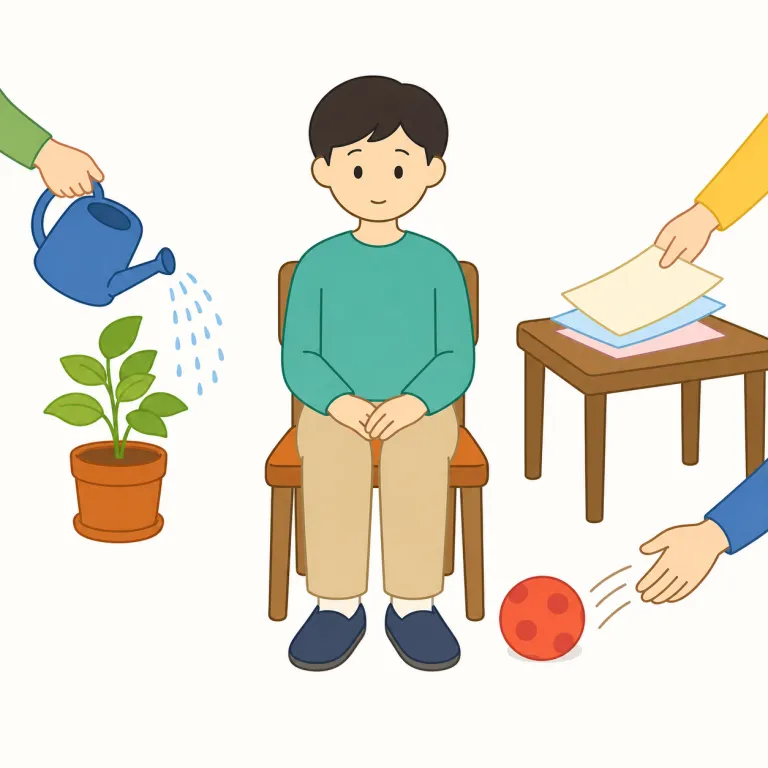
行動や状態が外部からの力や指示によって引き起こされることです。主体的ではなく、他の力に支配されている様子を表します。
Passive means not taking action and letting things happen instead of controlling them. It is often used to describe a person's attitude in work, discussion, or relationships. In grammar, passive also refers to a sentence form where the subject receives the action.
覚え方のコツ Memory Tip
active の反対語としてセットで覚えるのが最短。自分から act するのが active、外からの働きかけを受ける側が passive。文法の active voice / passive voice、学習法の active learning / passive learning を並べると定着しやすい。人なら passive attitude, passive role で「受け身の姿勢」。inactive が「単に活動していない」だけなのに対し、passive は「自分で動かず、主導権を相手に渡している」ニュアンスが強い。quiet や calm と違い、性格の静かさではなく、反応側に回る感覚で覚える。
Learn `passive` together with `active`. `Active` comes from `act`, so `passive` is the opposite: not taking action yourself, but receiving action from outside. It becomes easy to remember in pairs like `active voice / passive voice` and `active learning / passive learning`.
例文
In grammar, the passive voice focuses on the action rather than the actor.
文法では、受動態は行為者ではなく動作に焦点を当てます。
He stays passive and waits for others to act.
彼は受け身で、ほかの人が行動するのを待っています。
She was passive, so others chose everything.
彼女は受け身だったので、すべてをほかの人が決めました。
えいたんごクイズでの正答率
この語をはじめて出題された 33人 のうち 30人 が正解しました(91%)。
えいたんごクイズの回答から集計した独自データです。1人につき最初に出題されたときの1回だけを数えており、復習や2回目以降の回答、「わからない」と時間切れは含みません。 集計時点は 2026年9月19日 です。
消極的な
(意味 2)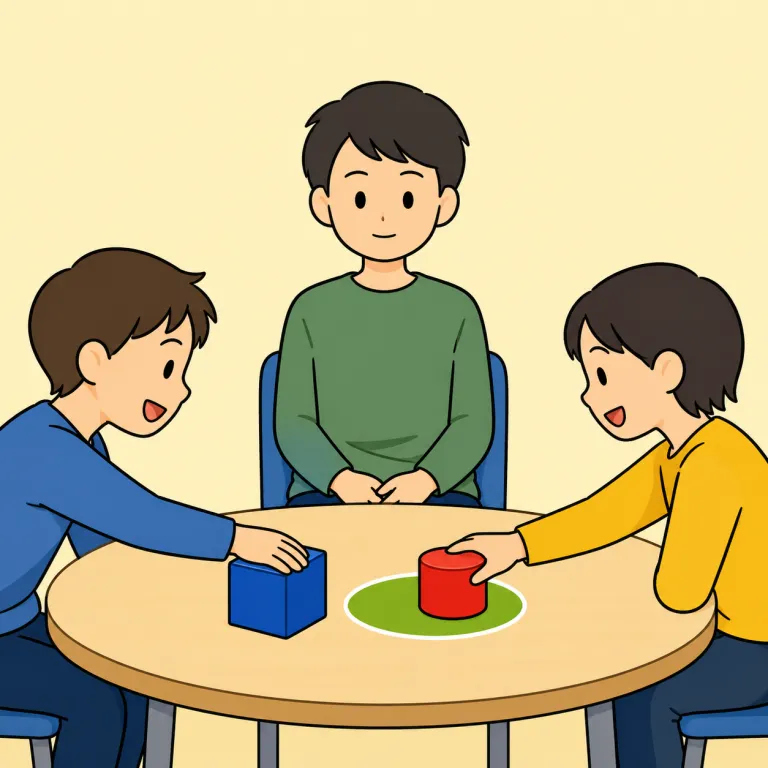
解説 Definition
人の性格や態度について、自分から意見を言ったり行動したりするのをためらい、前に出ない様子を表す。会議で発言しない、誘われるまで動かないなど、日常の対人場面でよく使われる。
Reluctant to take the initiative or express opinions, allowing others to lead or make decisions. It describes someone's attitude or behavior in situations where they could speak up or act.
例文
He is too passive in class discussions.
彼は授業中の話し合いではあまりに消極的だ。
She was passive when looking for a job.
彼女は仕事を探すとき消極的だった。
If you stay passive, others will make the decisions for you.
消極的なままでいると、他人に決定を任せることになる。
passive の類義語・関連語
passive の語源・成り立ち Etymology
passiveはラテン語passivusに由来し、さらにpati「被る・耐える」にさかのぼります。自分で働きかけるのでなく「作用を受ける側」という感覚が核で、そこから「受動的な」の意味になりました。関連語にpatient、passionがあります。
"Passive" comes from Latin passivus, from pati, meaning "to suffer," "undergo," or "experience." The core idea is not acting, but being acted upon or receiving an effect. From that, it developed into the modern sense of being inactive or receiving action rather than causing it; "patient" and "passion" are related words.
同じレベルの語彙をもっと
英検2級の一覧へ →外部辞書で調べる
この英単語をクイズで覚えよう