生活に不都合な
adjective 形容詞主に英国英語で、勤務時間などが早朝や深夜に及び、家庭生活や人付き合いに不都合であることを表します。特に work unsociable hours や at unsociable hours の形で使われ、人の非社交的な性格とは区別されます。
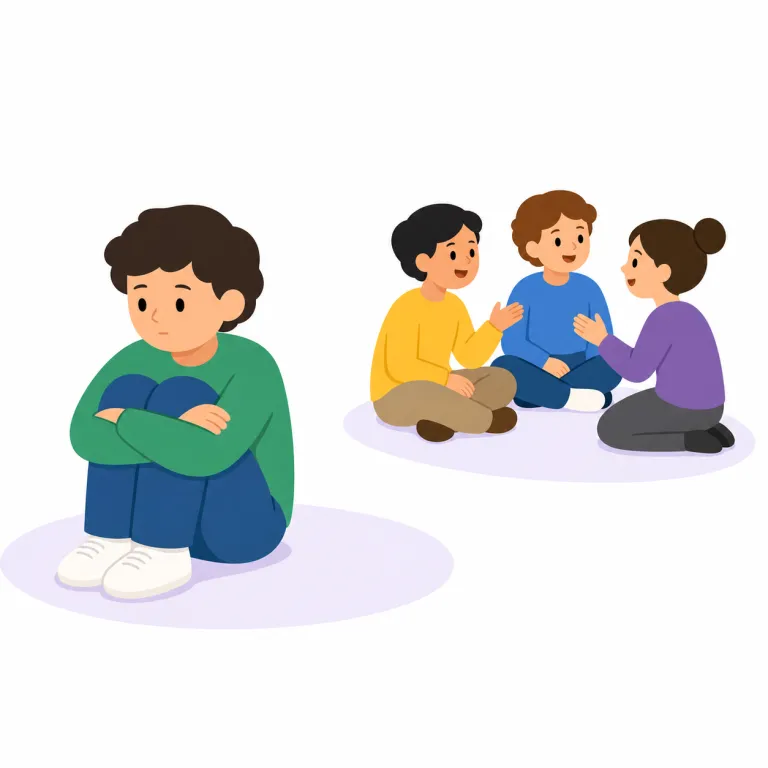
他人との交流や社交活動を好まない性質を持つ。人付き合いが苦手で、孤立を好む傾向がある。
Unsociable means not wanting to spend time with other people or not enjoying social activity. It is used for people, behavior, or sometimes times and situations that are not good for meeting others. It can sound mildly negative, but it may also simply describe someone who prefers being alone.
まず sociable を核にして覚える。social / society と並べると、どれも「人とのつながり」の語だと見えてくる。そこへ un- が付くので、意味はほぼ反転して「人付き合いを好まない」。単に quiet というより、会話や交流の場に積極的に入らない感じ。an unsociable person, be unsociable at parties のように、人や社交の場と一緒に覚えると残りやすい。unfriendly は冷たい、unsociable は交わらない寄り。antisocial ほど強く反社会的ではない点にも注意。
Remember `sociable` first, linked to `social` and `society`. Then `un-` makes it the opposite: someone who does not enjoy mixing with people. It helps to compare it with `unfriendly`: `unsociable` is more about avoiding social contact, not necessarily being cold or rude.
He was naturally unsociable and preferred to spend time alone.
彼は生まれつき人付き合いが苦手で、一人で過ごすのを好んだ。
Her unsociable behavior at the party disappointed the hosts.
パーティーでの彼女の非社交的な振る舞いに、主催者はがっかりした。
Despite being unsociable, he was respected for his professional skills.
社交的ではなかったものの、彼は専門的な技能を高く評価されていた。
文脈によって、次の意味でも使われます。
主に英国英語で、勤務時間などが早朝や深夜に及び、家庭生活や人付き合いに不都合であることを表します。特に work unsociable hours や at unsociable hours の形で使われ、人の非社交的な性格とは区別されます。
unsociable は un-「〜でない」+ sociable。sociable はラテン語 socius「仲間」が語源で、social や society も同根だから、「仲間の輪に入りにくい人」がそのまま社交的でない姿として見えてくる。
Unsociable is formed from un- plus sociable. Sociable comes from Latin socius, meaning "companion" or "ally," which also gave English social and society. The idea developed from "fit for companionship" to its opposite, "not friendly with others" or "not wanting company."
この英単語をクイズで覚えよう