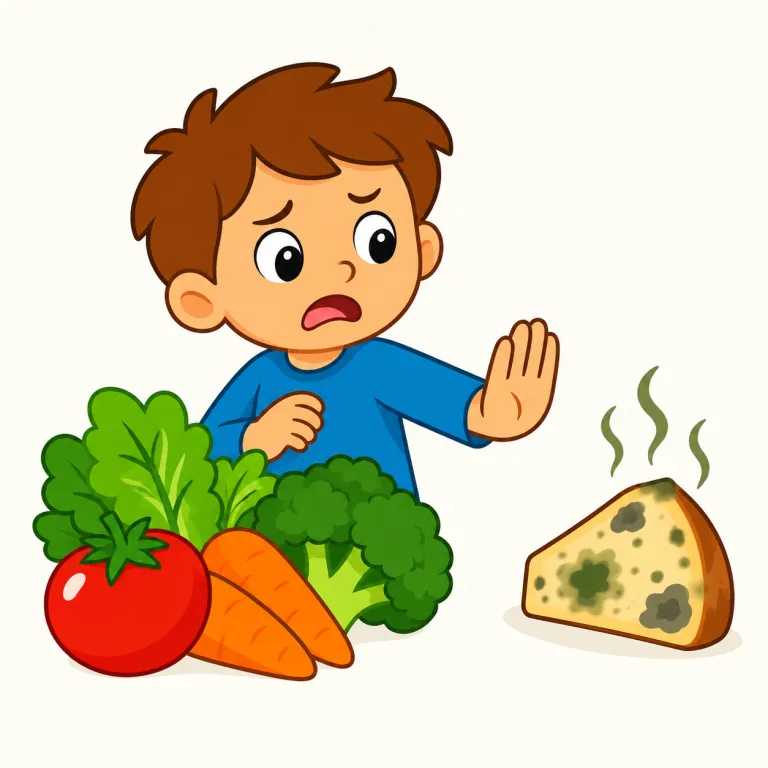
不健全な
解説 Definition
健康的でない、道徳的に好ましくない、または不潔な。身体的・精神的に悪い影響を与える状態や物を指す。
Unwholesome means unhealthy, morally bad, or likely to have a harmful effect. It can describe food, environments, habits, ideas, or influences that are not good for the body or mind.
覚え方のコツ Memory Tip
まず `wholesome` を「健康的で、気持ちよく健全な」という1語で覚えると、先頭に `un-` が付いた `unwholesome` はその逆だと取りやすいです。`healthy` が主に身体の健康寄りなのに対し、`wholesome` は食べ物・習慣・雰囲気・番組内容などにも広く使え、道徳的に“健全”という響きもあります。なので `unwholesome` は「体に悪い」だけでなく、「見ていて嫌な感じのする、不道徳で後味の悪い」ものにも使える語。`unhealthy` より少し広くて暗いニュアンスがある、と置くと残りやすいです。
First remember `wholesome` as more than just healthy: it can describe food, habits, stories, or an atmosphere that feels good and clean. Then `unwholesome` becomes the opposite with `un-`. It is broader and darker than `unhealthy`, so connect it with things that feel bad in body, mind, or morals.
例文
The unwholesome food at the cafeteria made several students sick.
カフェテリアの不衛生な食べ物を食べて、何人かの生徒が具合を悪くした。
The government criticized the unwholesome content in the film.
政府はその映画の不健全な内容を批判した。
Living in that unwholesome environment was bad for her mental health.
その不健全な環境で暮らすことは、彼女の精神衛生上よくなかった。
unwholesome の類義語・関連語
類義語
紛らわしい語
unwholesome の語源・成り立ち Etymology
unwholesome は un-「〜でない」+ wholesome「健全な」に分かれます。wholesome は whole と同根で、古英語 hāl「完全な・健康な」にさかのぼるため、元は「欠けず健やか」が核の感覚です。そこに un- が付いて「不健全な」となり、関連語に whole、health があります。
This word combines English un- with wholesome. Wholesome is related to whole and goes back to Old English hal, meaning "whole, unhurt, healthy," which is also linked with health. The sense moved from "complete and healthy" to "good for health or character," and unwholesome became its negative form.
同じレベルの語彙をもっと
外部辞書で調べる
この英単語をクイズで覚えよう