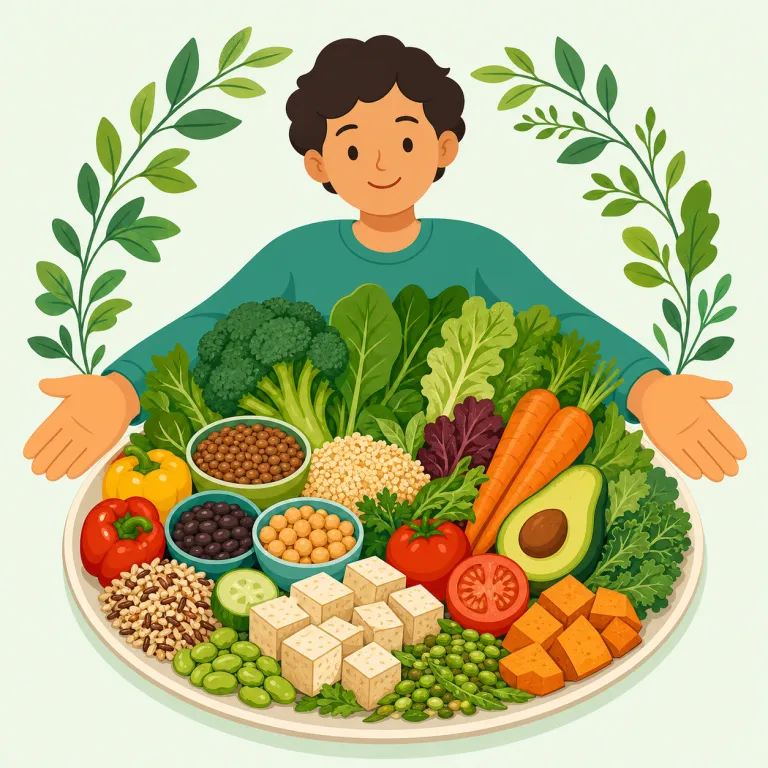
菜食主義
解説 Definition
肉や魚を避け、野菜・果物・穀物・豆類など植物性食品を中心に食べる生き方や考え方を指す。健康、倫理、宗教、環境保護など、さまざまな理由から実践される食習慣である。
Vegetarianism is the practice or belief of not eating meat, and sometimes avoiding other animal products depending on the person. It is usually discussed as a diet, lifestyle, or ethical choice.
覚え方のコツ Memory Tip
まず vegetarian が見えれば半分取れます。vegetable を知っていれば「植物・野菜寄り」の感覚につながり、そこに -ism が付くと capitalism や Buddhism のように「思想・主義・あり方」になります。つまり vegetarianism は「菜食を選ぶ考え方・実践」。人を指す vegetarian と、主義や生活様式を指す vegetarianism を対で覚えると整理しやすいです。veganism ほど厳格に動物性全般を避けるとは限らない点も、混同防止のフックになります。
Start from `vegetarian`, which connects clearly to `vegetable`. Then notice `-ism`, the ending used for systems or ways of thinking, like in many belief words. So `vegetarianism` is the practice or idea of being vegetarian, not the person.
例文
Vegetarianism has become increasingly popular among younger generations.
菜食主義は若い世代の間でますます人気が高まっている。
She adopted vegetarianism for both health and environmental reasons.
彼女は健康と環境への配慮の両方から、菜食主義を実践し始めた。
Vegetarianism offers many nutritional benefits when properly planned.
菜食主義は、栄養バランスに配慮して献立を組めば、多くの利点をもたらす。
vegetarianism の類義語・関連語
派生語
vegetarianism の語源・成り立ち Etymology
vegetarianism は vegetarian「菜食主義者」+ -ism「主義」から成り、源流はラテン語 vegetare「活気づける」です。vegetable や vegetate と同根で、『生命を養う植物を中心にする』発想が「菜食主義」を支えています。
Vegetarianism comes from vegetarian plus -ism. Vegetarian was linked to Latin vegetare, meaning "to enliven" or "make active," and it is related to vegetable and vegetate. The idea later narrowed from general liveliness and plant life to a system of eating based mainly on plants.
同じレベルの語彙をもっと
外部辞書で調べる
この英単語をクイズで覚えよう