ウェール
解説 Definition
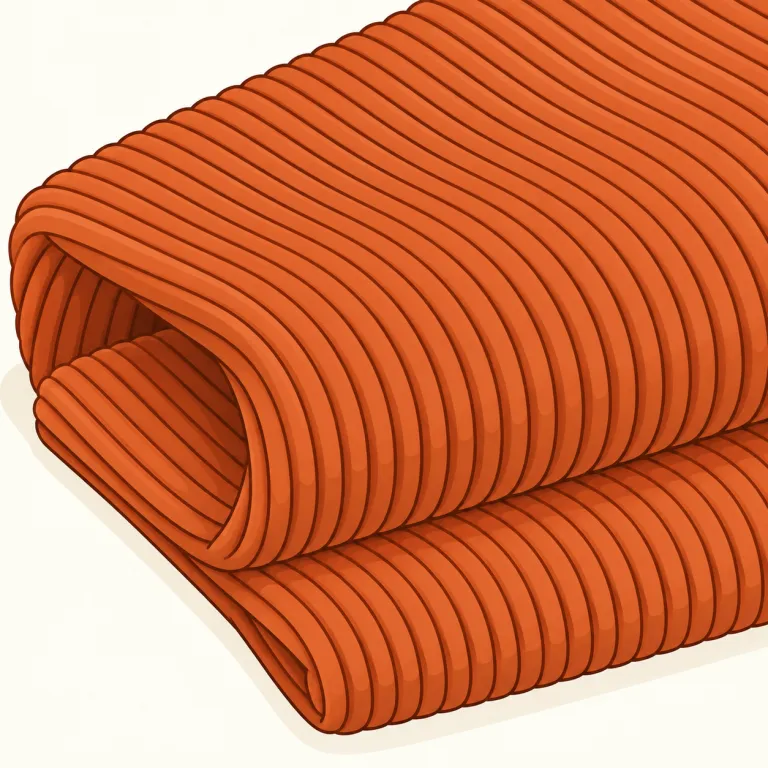
wale は、布地などに見られる細長く盛り上がった畝や筋、または打撃や圧迫によって皮膚にできる線状の腫れ・みみず腫れを指します。
A wale is a raised line or ridge, especially one forming part of the texture of woven fabric or a long swollen mark left on the skin by pressure or a blow. The exact sense is determined by whether the context concerns cloth, skin, or another ridged surface.
覚え方のコツ Memory Tip
wale の核は「細長く盛り上がった線」です。布ならコーデュロイなどの畝、皮膚なら打撃などでできた線状の腫れを指します。古英語 walu「畝・盛り上がった線」から意味が一貫しているので、a raised wale on the skin や fabric with narrow wales の形で覚えます。
Keep one physical image in mind: a long, narrow raised line. On fabric, especially corduroy, a wale is one of the visible ridges; on skin, it can be a swollen linear mark caused by pressure or a blow. This shared shape connects the senses more clearly than memorizing them separately. Learn phrases such as narrow wales in fabric and a raised wale on the skin. Do not confuse wale with whale, the sea mammal: they are pronounced alike but have different spellings, histories, and meanings.
例文
The corduroy has narrow, evenly spaced wales.
そのコーデュロイには、細く等間隔の畝があります。
The blow left a red wale across his arm.
その打撃で、彼の腕に赤い線状のみみず腫れが残りました。
wale の類義語・関連語
wale の語源・成り立ち Etymology
wale は古英語 walu「盛り上がった線・畝」に由来します。もともと「隆起した筋」を表したので、布地の畝や皮膚のミミズ腫れのような“線状の盛り上がり”を指す語になりました。関連語は gunwale, weal。
Wale descends from Old English walu, a word for a ridge, raised line, or weal. Its meanings developed around the same visible shape: a lengthwise ridge in woven material and a raised mark on the skin. The word is historically related to weal in the sense of a welt or swollen mark. It also survives as the final element of gunwale, originally referring to a reinforcing strip along a vessel’s side.
同じレベルの語彙をもっと
外部辞書で調べる
この英単語をクイズで覚えよう