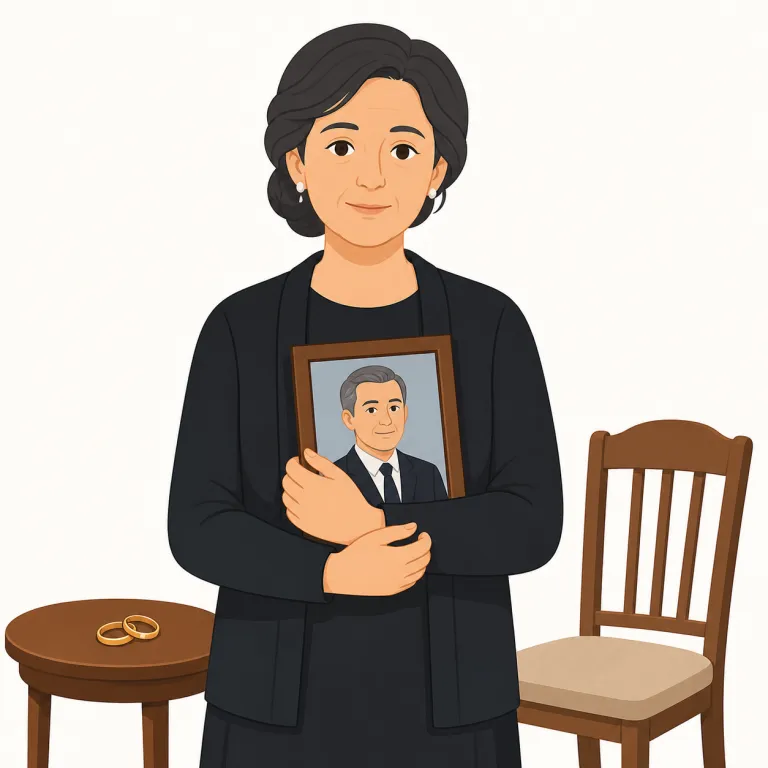
widow
widow は英検準1級・TOEIC 860・TOEFL 80・IELTS 6.5レベルの英単語で、「未亡人」という意味があります。発音記号は /ˈwɪdoʊ/ です。
widow を覚えるポイント・使い方
widow は「夫を亡くした女性、未亡人」を表す名詞です。離婚ではなく死別に関わる言葉で、男性を指す widower と対にして覚えると区別しやすくなります。
「未亡人になる」は become a widow。女性一人について述べるときは、a widow のように冠詞を付けて使います。
She became a widow after her husband passed away.
夫が亡くなった後、彼女は未亡人になりました。
未亡人
解説 Definition
夫を亡くした女性を指す言葉。配偶者の死後、一人で生活している女性のことです。
A widow is a woman whose husband has died and who has not married again. The word is used when talking about family, legal matters, or personal life after a husband's death. It is a neutral but sensitive word.
覚え方のコツ Memory Tip
widow は対になる widower(男やもめ)とセットで覚えると定着しやすい語です。語尾の -er が付くほうが男性側、と整理すると区別しやすい。使う場面は a widow, become a widow, war widows などで、「配偶者と死別した女性」という文脈で現れます。divorced woman や single mother とは違い、離婚や未婚ではなく死別が核心。window とつづりが非常に似るので、n が入れば「窓」、入らない widow は「未亡人」と切り分けると混同しにくいです。
Learn widow together with widower. The form with -er is the male word, so widow is the female one. Also watch the spelling: window has an n, but widow does not.
例文
She became a widow after her husband passed away.
夫が亡くなった後、彼女は未亡人になりました。
The widow received support from her family and friends.
未亡人は家族と友人からサポートを受けました。
Many widows face financial challenges after losing their spouses.
多くの未亡人は配偶者を失った後、経済的な困難に直面します。
えいたんごクイズでの正答率
この語をはじめて出題された 35人 のうち 26人 が正解しました(74%)。
えいたんごクイズの回答から集計した独自データです。1人につき最初に出題されたときの1回だけを数えており、復習や2回目以降の回答、「わからない」と時間切れは含みません。 集計時点は 2026年9月19日 です。
widow の類義語・関連語
widow の語源・成り立ち Etymology
古英語 widewe、印欧祖語 *widh-ewā(分離された女性)に由来。語根 *widh-(分ける・離す)は、夫と「引き離された」女性を意味する。ラテン語 vidua(奪われた)も同根で、英語 devoid(欠いた)に残る。関連語: widower(男やもめ)、devoid(~を欠いた)。
Widow comes from Old English widewe and goes back to an Indo-European root meaning "to separate" or "to be apart." It originally meant a woman separated from her husband by death. The same root appears in Latin vidua and is related to English devoid, which also carries the idea of lacking or being left without something. Related English words include widower and devoid.
同じレベルの語彙をもっと
英検準1級の一覧へ →外部辞書で調べる
この英単語をクイズで覚えよう