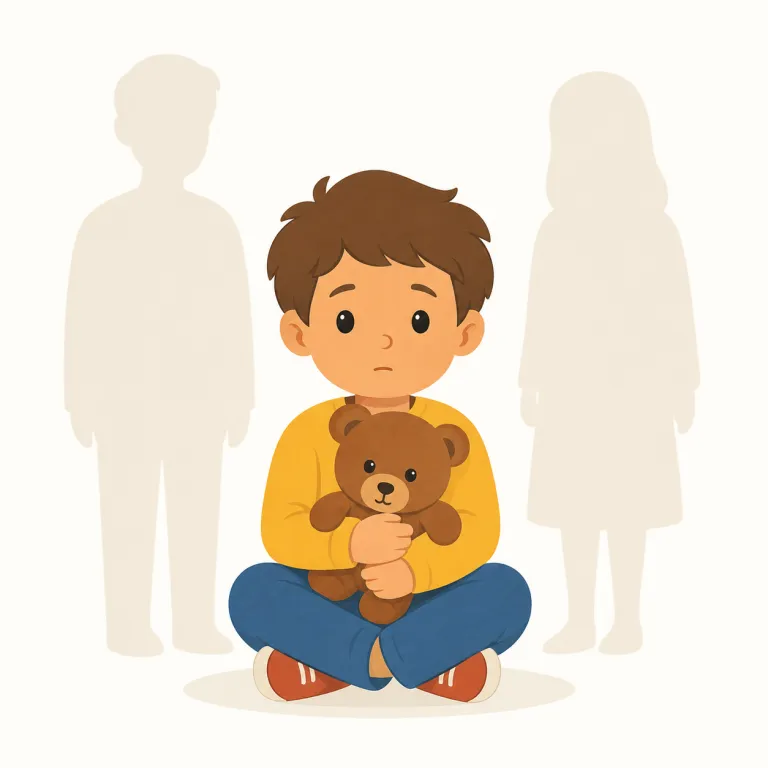
orphan
orphan は英検2級レベルの英単語で、「孤児」という意味があります。発音記号は /ˈɔːrfən/ です。
孤児
解説 Definition
親の一方または両方を亡くした子ども。また、比喩的に、本来結びつく親や管理主体を失い、孤立した人や物を指すこともあります。
An orphan is a child whose parents have died. The word can also be used more generally for a child who has no parental care or support. It is often used in social, legal, and historical contexts.
覚え方のコツ Memory Tip
orphan は orphanage(孤児院)、orphaned(親を失った)とセットで覚えると定着しやすい語です。核になるイメージは『本来いるはずの親・保護者とのつながりがなく、支えを失っている』状態。alone や lonely が単に一人でいる感じなのに対し、orphan は“保護してくれる相手が欠けている”点が重要です。a young orphan, become an orphan のように人に使うのが基本ですが、IT では orphan file / orphan record のように『親データから切り離された孤立物』にも使えます。『親とのリンクが切れた』と押さえると忘れにくいです。
Learn `orphan` with `orphanage` and `orphaned` as a word family. The memory hook is not just “alone,” but “without parents or protection.” In modern use, it can also describe something cut off from its parent, like an `orphan file`, which strengthens the image of a broken link.
例文
The charity helps orphans find loving families.
その慈善団体は孤児が温かい家族を見つけるのを助ける。
The boy became an orphan after his parents died.
その少年は両親を亡くし、孤児になりました。
The two orphans lived with their grandmother.
その二人の孤児は祖母と暮らしていました。
orphan の類義語・関連語
orphan の語源・成り立ち Etymology
orphanは後期ラテン語 orphanus を経て、ギリシャ語 orphanos「親を失った・身寄りのない」に由来します。もとは「奪われた」という感覚を含み、そこから「孤児」の意味に。関連語は orphanage, orphaned です。
Orphan came into English through Latin orphanus, from Greek orphanos, meaning "bereaved" or "without parents." The word carried the sense of being deprived or left without close family support. Over time it became the usual English word for a child whose parents are dead; orphanage and orphaned are later related forms.
同じレベルの語彙をもっと
英検2級の一覧へ →外部辞書で調べる
この英単語をクイズで覚えよう