えいたんごクイズ

wight

/waɪt/

意味一覧 (4件)

noun

人間にんげん

解説 Definition

wight は古風・文学的な名詞で、「人」「人間」「生き物」を指す。現代の日常会話ではほぼ使わず、詩や古い物語で a poor wight のように、ある人を少し哀れみや距離をこめて述べる時に出る。

Wight is an old-fashioned or literary noun meaning a person, a human being, or sometimes a living creature. It is very rare in modern everyday speech, but it may appear in poems, folktales, or older-style writing. In phrases like a poor wight, it can refer to someone with a slight feeling of pity, distance, or gentle judgment.

覚え方のコツ Memory Tip

wight は日常語の person や human の古風な言い方として押さえると覚えやすいです。形は white や weight に似ていますが、中心は「重さ」でも「白さ」でもなく、古い英語の「存在・生き物」。a poor wight のように、詩や昔話で少し哀れみを帯びて「その人」と呼ぶ時に出ます。ファンタジーでの「亡霊」の意味は、この古い「人型の存在」からさらに派生した別用法です。

Think of wight as an old literary way to say person or human. It looks like white or weight, but its core idea is not color or heaviness. Instead, remember the old meaning of a being or living creature, especially in phrases like a poor wight in poems or stories. The fantasy sense of ghostly being is a later special use that grew from this older idea.

例文

In the old poem, the writer calls the traveler a poor wight lost in the storm.

その古い詩では、作者は嵐の中で道に迷った旅人を哀れな人として呼んでいる。

The tale speaks of a lonely wight who lived at the edge of the forest.

その物語は、森のはずれに住んでいた孤独な人のことを語っている。

Few readers today use wight in conversation, but they may still meet it in fantasy novels.

今では会話でwightを使う人はほとんどいないが、ファンタジー小説ではまだ出会うことがある。

noun

生物せいぶつ

(意味 2)

解説 Definition

古い英語で生物や生き物を意味する言葉。文学や詩で特に用いられる。現代ではほとんど使われない古風な表現。

例文

Every living wight in the forest depends on the ecosystem.

森のあらゆる生物は生態系に依存している。

The scientist studied how each wight contributed to the habitat.

科学者は各生物がどのように生息地に貢献するかを研究した。

Large and small wights alike must adapt to environmental changes.

大きい生物も小さい生物も環境変化に適応する必要があります。

noun

幽霊ゆうれい

(意味 3)

解説 Definition

超自然的な生き物や幽霊を指す古風な英語。民話やファンタジー文学で様々な種類の霊的存在を表すのに使用される。バロウ・ワイトなど、伝説の怪物を指すこともある。

例文

The ancient wight haunted the castle for centuries.

古い幽霊は何世紀もの間、城に取り憑いていた。

Local legends spoke of a wight dwelling in the abandoned house.

地元の伝説では、放棄された家に住む幽霊について語られていた。

The wight appeared at midnight, terrifying all who saw it.

幽霊は真夜中に現れて、それを見た者は皆、恐怖に襲われた。

noun

亡霊ぼうれい

(意味 4)

解説 Definition

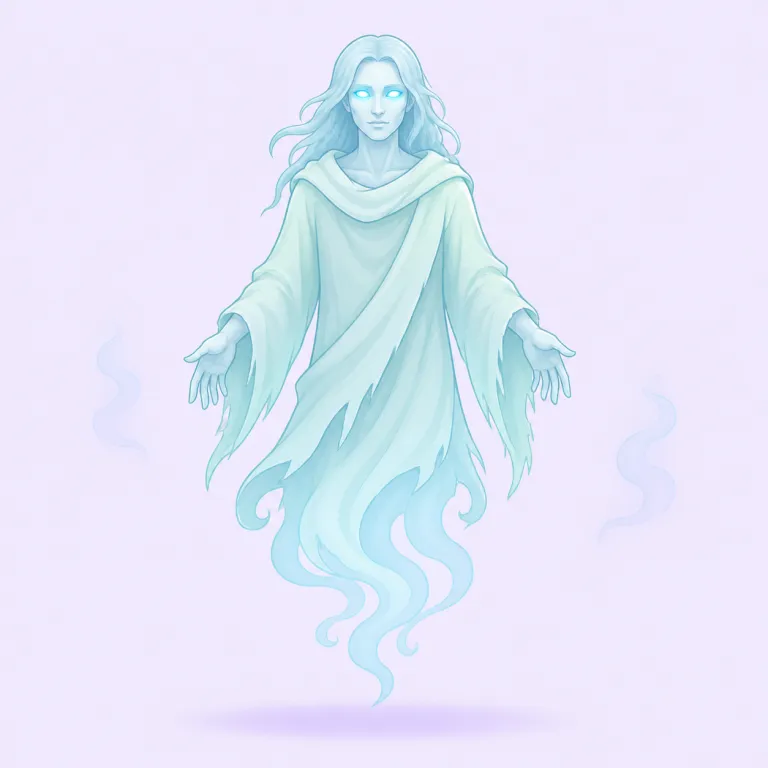
人間や知的な存在を指す古語で、特に人間に似た姿で超自然的な力を持つ生き物を指すことが多い。多くの文献では幽霊や亡霊、妖怪、妖精のように人を超えた存在として扱われる。状況によっては城や森に棲みつく謎めいた霊的存在として描かれる。

A wight is a ghostlike being, spirit, or supernatural creature, especially in old stories or fantasy writing. It is not common in everyday modern English. The word has an old-fashioned and literary feel.

覚え方のコツ Memory Tip

この wight は、古風な「人間」という基本義とは別に、昔話やファンタジーで出る「人型の亡霊・怪異」を指す用法です。ghost や spirit より日常語ではなく、墓、古城、森、古い呪いなどの場面で見かける文学的な語だと覚えると整理しやすいです。weight と同じ発音なので音だけでは判別しにくく、undead, haunt, supernatural などの語が近くにあれば、この rare 義を疑うのが手がかりです。

`Wight` looks like `light` or `white`, but it belongs to old stories and fantasy, not everyday English. If you see it near words like `ghost`, `spirit`, or `undead`, that is the right direction. Picture a human-like supernatural being from an ancient tale.

例文

In folklore, a wight could refer to any supernatural being.

民間伝承では、ワイトはあらゆる超自然的存在を指すことがある。

The ancient text described a ghostly wight haunting the castle.

古文書には城に出没する幽霊めいたワイトが記されていた。

The villagers spoke in hushed tones of the mysterious wight.

村人たちは神秘的なワイトについて声を潜めて話していた。

wight の語源・成り立ち Etymology

古英語 wiht(もの、生き物、存在)に由来する。もとは「何か一つの存在」を広く指し、そこから「生き物」「人間」という古風な意味が残った。whit とも同根。

Wight comes from Old English wiht, which meant a thing, a creature, or a living being. It originally referred broadly to any single existing thing, and later the old literary sense of human being remained. It is related to whit.

外部辞書で調べる

この単語を英単語クイズで覚えよう