意味一覧 (2件)
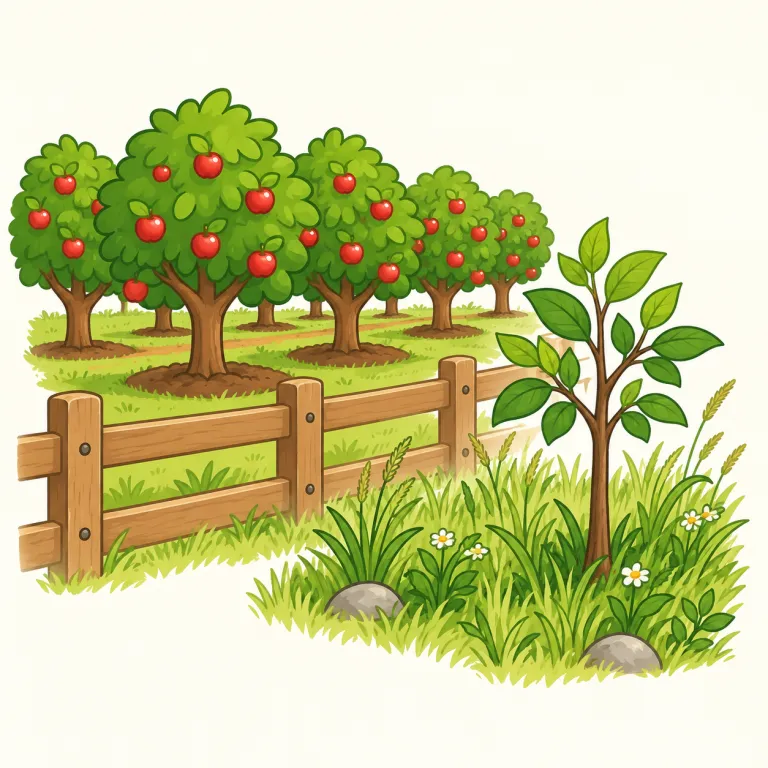
野生の動植物
解説 Definition
人に栽培されたり飼いならされたりせず、野生の状態で育った植物または動物を指す、比較的まれで文学的な語。ここでは人を指す用法は含まない。
A wildling is a plant or animal that has grown or lived in an uncultivated, undomesticated state. The word is uncommon and may sound literary.
覚え方のコツ Memory Tip
wildling は wild「野生の」に、小さなもの・その性質を持つものを表す -ling が付いた語です。人が栽培・飼育したものでなく、世話を受けず野生で育った植物や動物を指します。cultivated trees と対比される、種から自然に育った木などを思い浮かべましょう。ここでは人を指しません。
Read wildling as wild plus -ling: a thing belonging to or shaped by the wild. In this sense, it denotes a nonhuman plant or animal.
例文
The botanist found a wildling growing beside the abandoned orchard.
植物学者は放棄された果樹園のそばに野生の植物が育っているのを見つけた。
Unlike the cultivated trees, the wildling had grown from seed without human care.
栽培された木々とは異なり、その野生の木は人の世話を受けず種から育っていた。
The young fox was a wildling, born and raised beyond the farms.
その若いキツネは、農地の外で生まれ育った野生の動物だった。
野生児
(意味 2)
解説 Definition
文明社会から離れて育った人、または荒々しく社会の慣習に従わない人を指す、比較的まれで文学的な語。文脈によっては見下した響きを伴う。
A wildling is a person portrayed as having grown up outside civilized society or as being rough, untamed, and unfamiliar with its conventions. The term is uncommon, literary, and sometimes disparaging.
覚え方のコツ Memory Tip
wild「野生の、荒々しい」に、人を表す -ling が付いた語として捉える。森など文明社会から離れて育った人や、社会の慣習に従わない荒々しい人を指し、文学的な物語で見かけることが多い。話し手が相手を未開だと決めつける、見下した響きを帯びる場合がある。
Picture a storyteller labeling an untamed, forest-raised person a wildling: wild plus -ling, meaning someone characterized by wildness.
例文
The villagers dismissed the forest-raised child as a wildling.
村人たちは森で育ったその子を野生児扱いした。
To the courtiers, the stranger from the mountains seemed a wildling.
宮廷人たちには、山から来たその人物が野生児のように見えた。
The novel portrays him as a fierce wildling who rejects the city's customs.
その小説では、彼は都会の慣習を拒む荒々しい野生児として描かれている。
wildling の類義語・関連語
wildling の語源・成り立ち Etymology
wildling は wild「野生の、飼いならされていない」に、ある性質を持つ存在を表す名詞を作る接尾辞 -ling が付いた語で、基本的には「野生のもの」を表す。
Wildling is formed from wild and the noun-forming suffix -ling. The formation broadly denotes a being or thing characterized by wildness.
同じレベルの語彙をもっと
外部辞書で調べる
この英単語をクイズで覚えよう