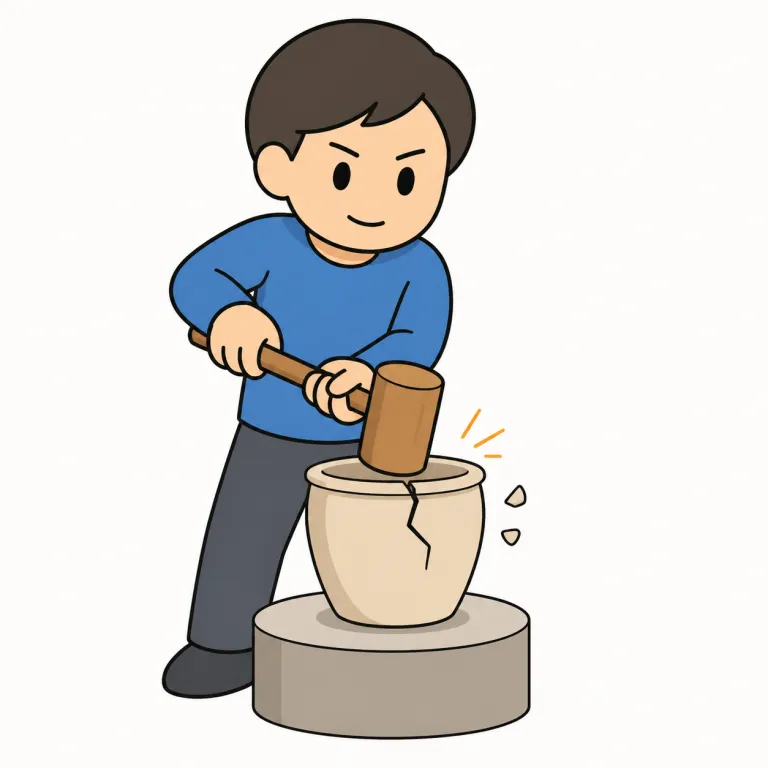
頑固な、わがままな
adjective 形容詞人が他人の忠告や要求に従わず、自分の望むとおりに振る舞おうとする性質を表します。特に子どもや扱いにくい人物について使われ、単に意図的であるというより強情さを強調します。
意図的に、または故意に何かをする様子を表す形容詞です。注意深く計画された行動や、意図的な違反を指します。
Wilful means done deliberately and not by accident. It is often used in formal or legal contexts to describe an action that someone chose to do on purpose.
`will` が「意志」だと分かれば、`wilful` は「意志をもってやる」→「わざとやる」とつながります。特に `wilful damage`、`wilful misconduct` のように、規則違反や迷惑行為を意図的にした場面で出やすいので、やや非難めいた語として覚えると定着しやすいです。`willing` が「進んでやる」、`deliberate` が「熟慮のうえで意図的」、`wilful` は「自分の意志であえてやる」という違いも意識すると混同しにくくなります。
`Wilful` contains `will`, so it suggests something done by choice, not by accident. That is why it often appears in formal phrases like `wilful damage` or `wilful misconduct`. Remember the contrast: `accidental` is the opposite, and `willing` is a different word.
The wilful destruction of property was a serious crime.
故意による財産の破壊は深刻な犯罪だった。
She was accused of wilful neglect of her duties.
彼女は職務を故意に怠った疑いをかけられた。
His wilful disobedience led to his dismissal from the position.
彼の意図的な命令違反は、その職からの解雇につながった。
文脈によって、次の意味でも使われます。
人が他人の忠告や要求に従わず、自分の望むとおりに振る舞おうとする性質を表します。特に子どもや扱いにくい人物について使われ、単に意図的であるというより強情さを強調します。
wilful は will「意志」に -ful「〜に満ちた」が付いた語で、will は古英語 willa にさかのぼります。willing や goodwill も同根で、「意志で満ちている」から「わざとする」「強情な」へ意味が伸びました。
Wilful comes from will + the suffix -ful, meaning "full of." Will goes back to Old English willa, meaning "wish" or "intention." The idea was first "guided by one's own will," and later it developed into the stronger sense of "deliberately" or "stubbornly."
この英単語をクイズで覚えよう