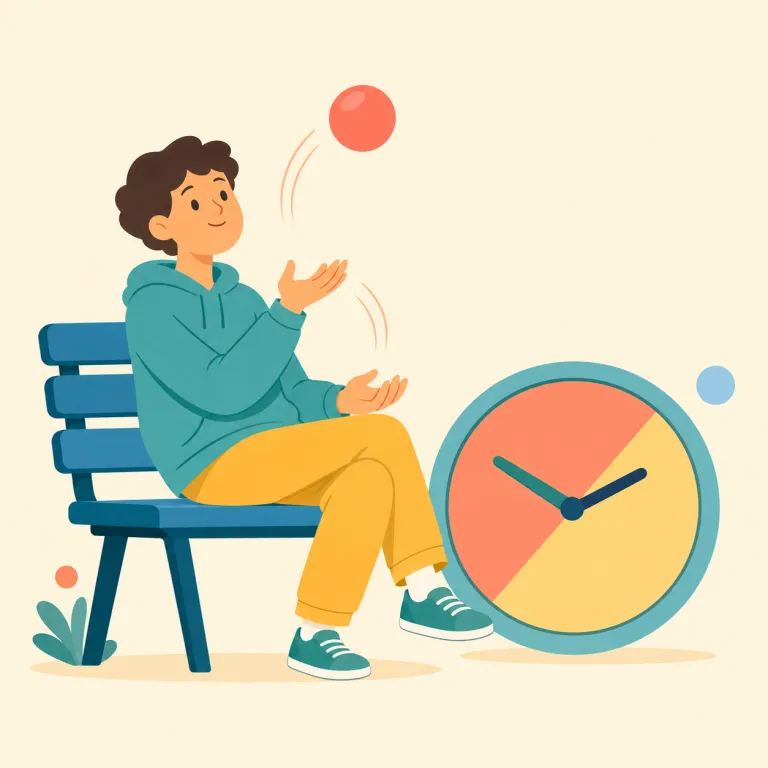
時間をつぶす
解説 Definition
時間をのんびりと過ごすこと。退屈な時間をつぶすことを意味する動詞。
Wiling means passing time in a pleasant or relaxed way, often without a clear purpose. It is usually seen in the phrase "wile away," as in spending hours casually. This use is more literary or formal than everyday speech.
覚え方のコツ Memory Tip
単独の wiling としてではなく、実際によく使う形の wile away でまとめて覚えるのが近道です。away が付くと「時間を向こうへ追いやる」感じになり、退屈な時間を何かで心地よくやり過ごす場面で使われます。willing(〜する気がある)と見た目がかなり紛らわしいので、必ず区別して記憶すると安心です。kill time より少しやわらかく、wile away the afternoon / the hours のように、読書・会話・散歩などでのんびり時間をつぶす情景とセットにすると定着しやすいです。
The best way to remember this word is in the phrase `wile away`. Think of `away` as sending time away little by little. It is often used for passing time in a gentle, relaxed way, and it is easy to confuse with `willing`, so keep those two separate.
例文
She was wiling away the afternoon with a book.
彼女は本を読んで午後をのんびり過ごしていた。
They wiled the evening away playing cards.
彼らはカードゲームをして夜を過ごした。
On weekends, he enjoys wiling away his time at the café.
彼は週末になると、カフェでのんびり時間を過ごすのが好きだ。
wiling の類義語・関連語
wiling の語源・成り立ち Etymology
wiling は wile「巧みに誘う・時をやり過ごす」の現在分詞で、語源は古フランス語 guile「策略・たくらみ」です。人をうまく気をそらす感覚から、wile away で「退屈を感じず時間をつぶす」という意味になりました。関連語は guile, beguile。
Wiling is the present participle of wile. Wile came into English from Old French guile, meaning trickery or deceit, and it is related to English guile and beguile. From the idea of cleverly distracting or amusing someone, the phrase wile away developed for passing time pleasantly.
同じレベルの語彙をもっと
外部辞書で調べる
この英単語をクイズで覚えよう