怠けている、何もせず過ごしている
verb 動詞仕事や有益な活動をせず、時間を無為に過ごしていることを表す。人を主語にしてbe idlingの形で使うほか、idle the afternoon awayのように、一定の時間をぶらぶら過ごす場合にも用いられる。
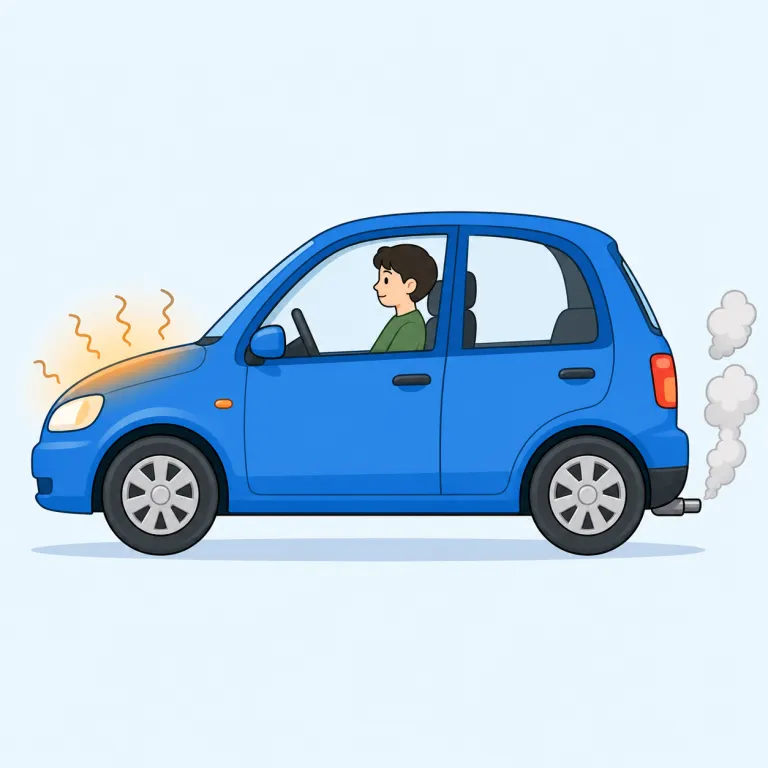
idling はTOEIC 860・TOEFL 80・IELTS 6.5レベルの英単語で、「アイドリング」という意味があります。発音記号は /ˈaɪdlɪŋ/ です。
エンジンをかけたまま車などがその場で静止している状態を指す言葉で、主に自動車や機械が作動しているのに動いたり作業したりしていない時に使われます。排気や燃料の無駄を防ぐため、必要のないときはアイドリングをやめるよう求められる状況が多くあります。長時間続けると燃費が悪化したり排出ガスの原因になったりするため、意識的に減らす取り組みが進められています。
Idling means staying on but not doing useful work. It is often used for a vehicle or machine that is running while not moving or actively working. It can also describe a person spending time without doing anything important.
idle を先に押さえると覚えやすいです。idle は「使われていない・仕事をしていない・空転している」で、idle time, sit idle のように“何かは動いているのに成果や動きがない”感覚があります。idling はその -ing 形で、「エンジンは on だが車は進んでいない」状態。running は単に作動中でも言えますが、idling は“待機・空回り”のニュアンスが強いので、The engine is idling. や leave a car idling で場面ごと覚えると定着します。
First remember `idle`, which means not really working or not moving forward. `Idling` is the `-ing` form, often used for an engine that is on but not taking you anywhere. Think of `leave the car idling` to connect the word with that waiting, wasting-energy image.
The car was idling in traffic, wasting fuel.
車は渋滞でアイドリングしていて燃料を無駄にしていた。
Reduce emissions by avoiding idling while waiting.
待機中にアイドリングを避けることで排出量を減らせる。
The factory equipment is idling during the lunch break.
工場の設備は昼休みの間、アイドリング状態になっている。
文脈によって、次の意味でも使われます。
仕事や有益な活動をせず、時間を無為に過ごしていることを表す。人を主語にしてbe idlingの形で使うほか、idle the afternoon awayのように、一定の時間をぶらぶら過ごす場合にも用いられる。
idling は古英語 idel「空の、むだな」に由来する idle に -ing が付いた形です。idleness や idle talk でも同じく「中身が空っぽ」が核で、エンジンが動いていても役目を果たしていない状態を指すのが腑に落ちます。
"Idling" comes from "idle," from Old English idel, meaning empty, useless, or vain. The core idea was not doing any real work or having no useful content. That sense later extended naturally to machines, so an engine can be "idling" when it is running but not doing its main job.
この英単語をクイズで覚えよう