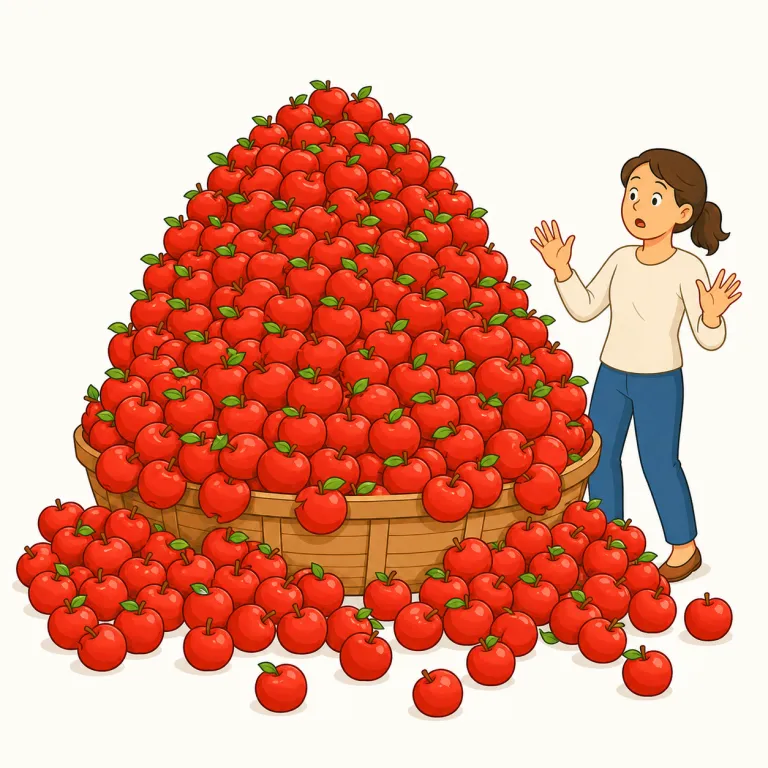
glut
glut は英検1級レベルの英単語で、「過剰」という意味があります。発音記号は /ɡlʌt/ です。
過剰
解説 Definition
過剰供給や余剰を意味する名詞です。市場に供給量が需要を大きく上回る状態です。経済用語として、商品やサービスが多すぎる状況を表します。
A glut is an amount of something that is much greater than what is needed or wanted. It is often used in business, trade, and news reports to describe too much supply in a market. The word usually suggests that the excess causes a problem.
覚え方のコツ Memory Tip
glut は「多すぎて余る」ときの単語。ニュースでは market glut, oil glut, a glut of cheap goods の形で見れば覚えやすいです。単なる plenty より、需要を超えてだぶつき、値下がりや処理の難しさまで感じさせるのがポイント。shortage の反対側に置くと定着しやすく、glutton / gluttony を知っていれば「入れすぎ・食べすぎ」から「過剰」へ連想できます。gut とつづりが近いだけで別語なので混同注意。
Think of a market with too much stuff in it: `oil glut`, `a glut of cheap goods`. It often appears in business news when supply is more than people want. If you know `glutton`, that can help too: the idea is 'too much,' not just 'a lot.'
例文
The market experienced a glut of apples after the harvest.
収穫後、市場にはりんごがあふれました。
A glut of streaming services has confused consumers.
ストリーミングサービスが多すぎて、消費者は混乱しています。
During the pandemic, there was a glut of hand sanitizer.
パンデミック中、ハンドサニタイザーが供給過剰になりました。
glut の類義語・関連語
glut の語源・成り立ち Etymology
glut は古フランス語 gloter「ごくりと飲む」、さらにラテン語 gluttire「のみ込む」に由来します。もとは「飲み込めないほど詰め込む」感じで、そこから「過剰・供給過多」の意味へ広がりました。関連語に glutton、gluttony。
Glut came into English through Old French gloter, meaning "to swallow," from Latin gluttire, also "to swallow." The early sense was of stuffing or filling something too much, almost more than could be swallowed. From that idea, it developed into the meaning of an excessive amount or oversupply. Related English words include glutton and gluttony.
同じレベルの語彙をもっと
英検1級の一覧へ →外部辞書で調べる
この英単語をクイズで覚えよう