倫理的絶対主義
noun 名詞善悪の判断には、状況や文化に左右されない普遍的・絶対的な道徳基準があるとする立場。特に moral absolutism の形で用いられ、道徳判断が文脈によって変わるとする相対主義と対比される。
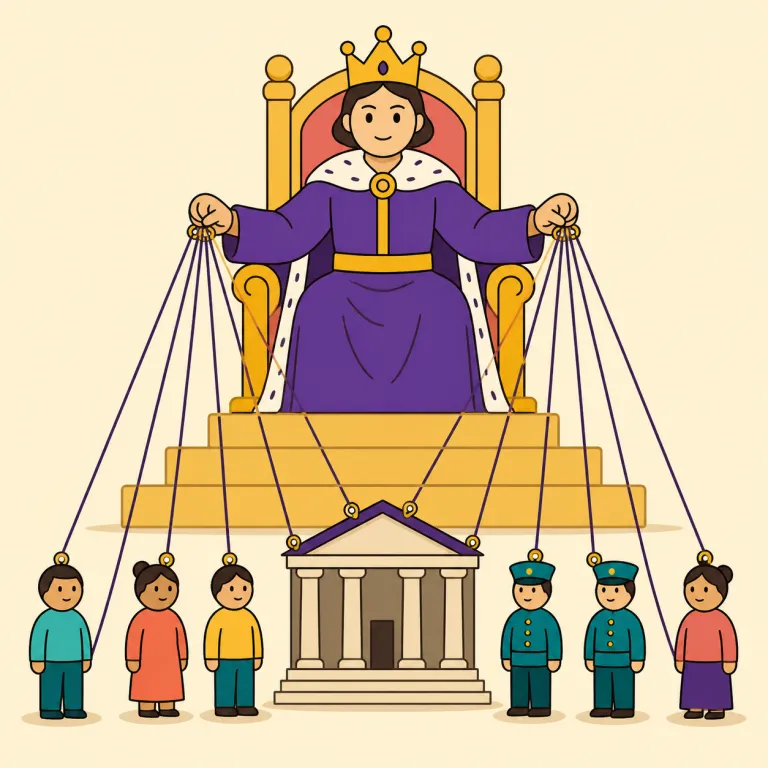
政治において、君主や権力者が無制限の権力を持つべきとする思想・体制。
Absolutism is the belief in complete and unlimited power, especially in politics when a ruler has full control. It can also mean a way of thinking that treats rules or ideas as totally fixed and not open to debate.
absolute「絶対の」に -ism「主義」が付いた形、とまず分解して覚えると定着しやすいです。absolute power(絶対権力), absolute monarchy(絶対君主制)という定番の組み合わせを一緒に押さえると、政治で『権力者に制限をかけない考え方・体制』だと自然に思い出せます。democracy や constitutional government のように権力を縛る発想の反対側にある語、と対比で覚えるのも有効です。
Split it into `absolute` + `-ism`. The ending `-ism` often names a belief or system, so this word is easy to connect to ideas like `absolute power` or `absolute monarchy`. It also helps to remember it by contrast with systems that limit power.
The French Revolution brought an end to centuries of absolutism in France.
フランス革命はフランスにおける何世紀にもわたる絶対主義に終止符を打った。
Under absolutism, the monarch held unlimited power over the state.
絶対主義のもとでは、君主が国家に対し無制限の権力を握っていた。
Historians debate whether absolutism was ever truly absolute in practice.
歴史家たちは、絶対主義が実際に本当に絶対的であったかどうかを議論している。
文脈によって、次の意味でも使われます。
善悪の判断には、状況や文化に左右されない普遍的・絶対的な道徳基準があるとする立場。特に moral absolutism の形で用いられ、道徳判断が文脈によって変わるとする相対主義と対比される。
absolutismはabsoluteに-ismが付いた語で、ラテン語absolvere「解き放つ・制約から離す」に由来します。もとは「他に縛られない」感覚で、そこから「絶対的原理を認める立場」へ発展しました。absoluteやabsolutionが同系です。
Absolutism comes from absolute plus the suffix -ism. Absolute goes back to Latin absolvere, meaning "to set free" or "release," so the earlier sense was something not tied down or limited by other things. From that idea, absolutism came to mean a belief in what is unrestricted or fully independent; related words include absolute and absolution.
この英単語をクイズで覚えよう