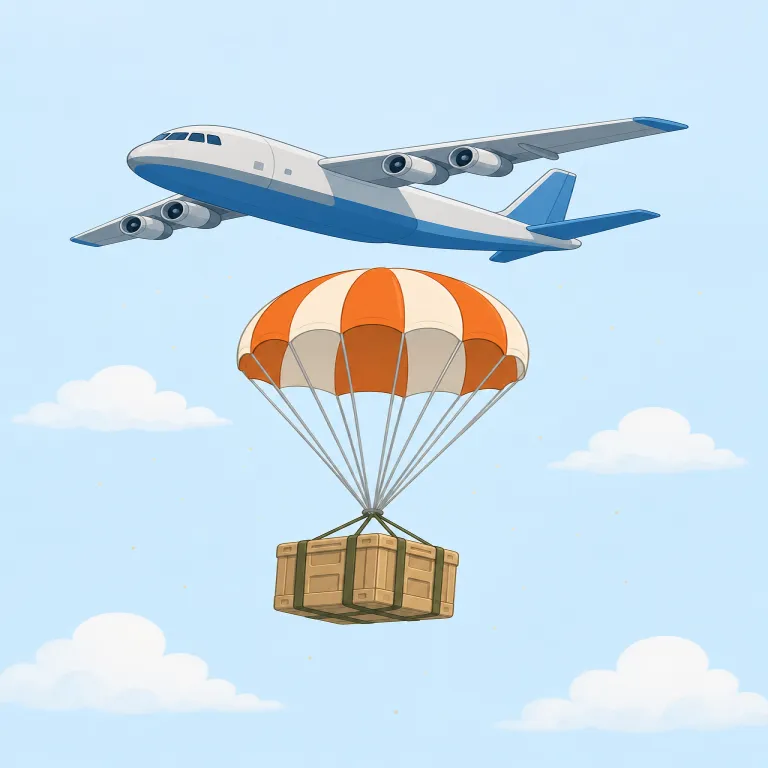
airborne
airborne は英検準1級・TOEIC 990・TOEFL 100・IELTS 7.5レベルの英単語で、「空気中を漂う、空輸の、空挺の」という意味があります。発音記号は /ˈɛərˌbɔːrn/ です。
空気中を漂う、空輸の、空挺の
解説 Definition
airborne は「空中にある」「空気中を漂う」という意味のほか、「空輸された」「空挺部隊の」のように航空機による移動や展開に関わる意味でも使われる形容詞です。文脈によって、花粉・粒子・部隊など対象が変わります。
Airborne means in the air or carried through the air. It is often used for aircraft, military forces, or things like dust and diseases that move through the air.
覚え方のコツ Memory Tip
air + borne で捉えると覚えやすい。air は「空気・空中」、borne は単体では難しくても、waterborne や foodborne と同じく「〜によって運ばれた」と見ると整理しやすい。airborne particles なら「空気中を漂う粒子」、airborne disease なら「空気感染の病気」。さらに airborne troops は「空から送り込まれる部隊」で、空輸・空挺の意味にも自然につながる。名詞の前で、何が空気中に乗るのかを意識すると定着しやすい。
Split it into `air` + `borne`. `Borne` appears in words like `waterborne` and `foodborne`, and it gives the idea of being carried by something. So `airborne` is easy to remember as "carried through the air" or "moving in the air."
例文
Airborne pollen triggers his hay fever every spring.
春になると、空気中を漂う花粉が彼の花粉症を引き起こす。
Airborne troops parachuted into the training field.
空挺部隊が訓練場にパラシュート降下した。
The disease can spread through airborne particles.
その病気は空気中の粒子を通じて広がることがある。
airborne の類義語・関連語
類義語
対義語
派生語
紛らわしい語
airborne の語源・成り立ち Etymology
air(空気)とborne(bear「運ぶ」の過去分詞)の複合語。borneは古英語beranに由来し「運ばれた」の意。airborne=「空気に運ばれた→空中の」。関連語:borne(〜生まれの)、bearing(態度)。「空に乗せられたもの」と覚えると空輸・空挺の意味がつながる。
Airborne was formed in English from air and borne, the past participle of bear. Bear comes from Old English beran, meaning "to carry," so airborne originally meant "carried by the air." From that basic image, it came to describe things moving through the air or existing above the ground. Related words include bear, borne, and bearing.
同じレベルの語彙をもっと
英検準1級の一覧へ →外部辞書で調べる
この英単語をクイズで覚えよう