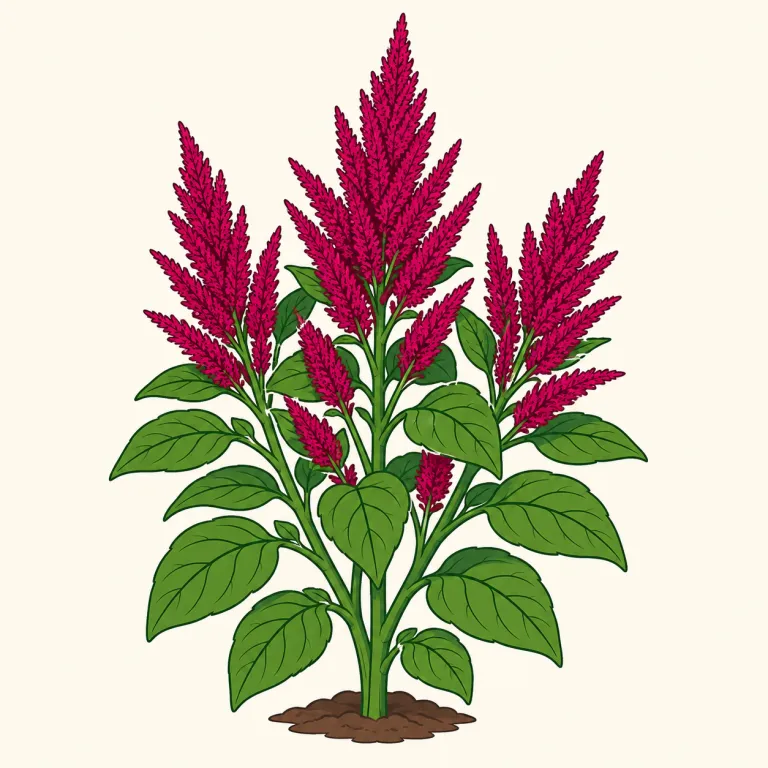
アマランス
解説 Definition
栄養価の高い穀物や葉野菜として栽培される植物。色あせない花としても知られる。
Amaranth is a plant that is grown for its seeds or leaves, which can be eaten. It is used in cooking as a grain-like food or as a leafy vegetable. The word is usually used in food, farming, or plant-related contexts.
覚え方のコツ Memory Tip
健康食品や自然食の話で見かけたら amaranth を思い出す、という場面記憶が有効です。quinoa、millet、oats などと同じ「栄養価の高い穀物」グループに置くと定着しやすい一方、amaranth leaves のように葉野菜としても出るので、grain だけに限定しないのがコツ。さらに amaranth color のように赤紫系の色名や観賞植物の文脈にも現れるため、「食べる植物であり、花としても知られる語」と二面で覚えると混同しにくいです。
Remember `amaranth` as a health-food word, in the same group as `quinoa` or `millet`. It can appear as a grain, but also as leaves or even in plant and color contexts. That wider image helps you remember it as more than just one kind of food.
例文
Amaranth is a highly nutritious grain that has been cultivated for thousands of years.
アマランスは数千年にわたって栽培されてきた、非常に栄養価の高い穀物である。
The bright red amaranth flowers added a vivid splash of color to the garden.
鮮やかな赤いアマランスの花が庭に生き生きとした彩りを添えた。
In ancient mythology, the amaranth symbolized immortality because it never seemed to fade.
古代の神話では、アマランスは決して色あせないように見えたことから、不死の象徴とされていた。
amaranth の類義語・関連語
紛らわしい語
amaranth の語源・成り立ち Etymology
amaranthはフランス語amaranteを経て、ラテン語amaranthus、さらにギリシャ語amarantosにさかのぼる。a-「否定」+ marainein「しおれる」から成り、原義は「しおれない花」。だからアマランスが「色あせない花」の名になった。関連語はmortal, morbid。
Amaranth came into English through French and Latin from Greek amarantos. It is built from a-, meaning "not," and a verb meaning "to wither." The original idea was "unfading" or "never withering," which is why the name was used for a flower thought to keep its color.
同じレベルの語彙をもっと
外部辞書で調べる
この英単語をクイズで覚えよう