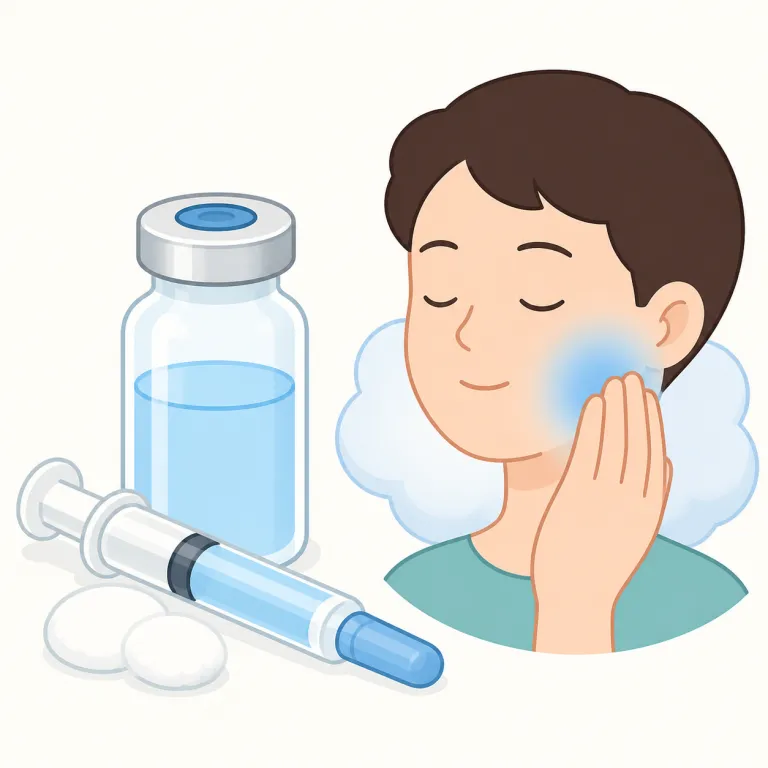
anesthetic
意味一覧 (3件)
麻酔剤
解説 Definition
anesthetic は、手術や歯科治療などで痛みや感覚を一時的に感じなくするために使う薬を指す名詞です。local anesthetic は体の一部に効く麻酔剤、general anesthetic は全身麻酔に使う薬としてよく出ます。
This adverb describes things that are spread out with a lot of space between them. It is used for people, trees, houses, clouds, and other things that are not packed closely together. The focus is on low density or scattered distribution, not on physical thinness.
覚え方のコツ Memory Tip
anesthetic は anesthesia(麻酔)とセットで覚えると自然です。-ic は「〜に関するもの・性質」を作る形で、名詞では「麻酔を起こす薬」を指します。local anesthetic(局所麻酔剤)、general anesthetic(全身麻酔剤)の形で医療・歯科の文脈に頻出します。painkiller は痛みを弱める薬ですが、anesthetic は感覚そのものを一時的に消す薬という点が違います。
Thin does not only mean "not thick"; it can also mean "not dense" or "few in number." Add -ly, and thinly can describe the way things are spread out sparsely. Common patterns include thinly populated, thinly scattered, and thinly distributed. That is different from using thinly to mean "in a thin layer" or "in thin slices."
例文
The trees were thinly scattered across the hillside.
木々は丘の斜面にまばらに散らばっていた。
Only a few houses were thinly spread along the coast.
海岸沿いには家がまばらに点在しているだけだった。
The audience was thinly distributed throughout the large hall.
観客は大きなホール全体にまばらに分かれて座っていた。
麻酔の
(意味 2)解説 Definition
麻酔に関係すること、または痛みや感覚を一時的に失わせる性質を表す形容詞です。医療の文脈で、薬剤・処置・効果などを説明するときによく使われます。
This noun refers to a large amount of liquid, gas, lava, or another substance flowing out from one place. It is common in contexts like natural disasters, volcanic activity, drainage, and pollution. The key idea is not emotion, but a heavy physical release outward.
覚え方のコツ Memory Tip
anesthesia(麻酔)を知っていれば、その薬・作用を表す形が anesthetic と覚えると定着しやすいです。医療場面で特に出やすく、local anesthetic(局所麻酔薬)、general anesthetic(全身麻酔薬)が頻出。dentist が歯の治療前に使うのも local anesthetic の典型です。painkiller が「痛みを弱める薬」なのに対し、anesthetic は「感覚そのものを鈍らせる・消す」方向。aesthetic とつづりが近いので見分けも意識すると覚えやすいです。
Think of `out` + `pour`: something inside is being poured to the outside. In this sense, the word usually describes real substances such as water, lava, gas, or chemicals, not feelings. The plural `outpourings` suggests repeated events or releases from more than one source.
例文
The patient was given an anesthetic cream before the procedure.
その処置の前に、患者には麻酔のクリームが塗られた。
The dentist used an anesthetic injection to numb the area.
歯科医はその部分の感覚をなくすために麻酔の注射を使った。
Researchers are testing a new anesthetic method for minor surgery.
研究者たちは小手術のための新しい麻酔の方法を試験している。
麻酔薬
(意味 3)解説 Definition
感覚を鈍らせるための薬で、手術や処置の際には痛みを感じさせないように使用される。局所麻酔と全身麻酔に分かれ、目的に応じて注射や塗布で用いられる。状態を一時的に眠らせたり無感覚にすることで患者の負担を減らす。
Anesthetic describes something that causes a loss of feeling, especially pain. It is most often used in medicine for drugs or methods that make a person unable to feel pain during treatment or surgery. In some contexts, it can also be a noun meaning the drug itself.
覚え方のコツ Memory Tip
この項目は名詞の anesthetic(麻酔剤)とは別に、形容詞として「感覚を鈍らせる、麻酔性の」という性質を表す用法として覚えます。anesthetic effect(麻酔作用)、anesthetic cream(麻酔性クリーム)のように、後ろの名詞を説明する形で出ます。medical や chemical のように、-ic が「〜に関する性質」を表す形容詞を作ることを意識すると整理しやすいです。
Connect it with `anesthesia`, which is the noun form used in medicine. `Anesthetic` is often seen in `local anesthetic` or `general anesthetic`, so learn those phrases as a set. Also watch the spelling: it looks close to `aesthetic`, but the meaning is completely different.
例文
The nurse prepared a strong anesthetic before the operation.
看護師は手術前に強い麻酔薬を用意した。
They applied an anesthetic cream so the child would not feel the shot.
子どもが注射の痛みを感じないように麻酔薬のクリームを塗った。
The anesthetic effect made the patient fall asleep quickly.
麻酔薬の効果で患者はすぐに眠りについた。
anesthetic の類義語・関連語
anesthetic の語源・成り立ち Etymology
ギリシャ語の an-「ない」+ aisthesis「感覚」に由来します。もとは「感覚がない」という考えから、痛みや知覚を一時的に消す薬を表す語になりました。
Thinly is formed from thin plus the adverb suffix -ly. Thin comes from Old English thynne and has long referred both to little thickness and to low density.
外部辞書で調べる
この単語を英単語クイズで覚えよう