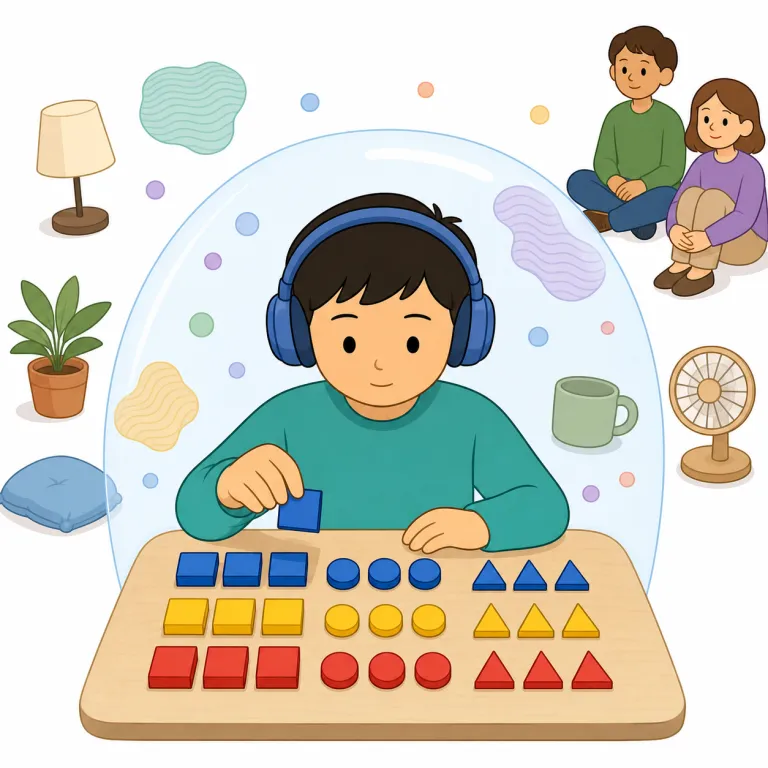
autistic
autistic は英検1級レベルの英単語で、「自閉症の」という意味があります。発音記号は /ɔːˈtɪstɪk/ です。
自閉症の
解説 Definition
自閉症のという意味で、自閉症スペクトラム障害(ASD)に関連する特性や状態を表す形容詞です。社会的なコミュニケーションや相互作用に困難を感じる神経発達の違いを指します。自閉症当事者やその支援に関わる文脈で使われます。
Autistic means related to autism, or describing a person who has autism. It is used in medical, educational, and everyday contexts when talking about how a person thinks, feels, communicates, or experiences the world. When referring to people, it should be used respectfully.
覚え方のコツ Memory Tip
まず autism(自閉症)を知っていれば、その形容詞形が autistic と押さえるのが最短です。-ic は academic, dramatic と同じ「〜に関する」を作る語尾なので、autism → autistic の形変化をセットで覚えると忘れにくくなります。autistic traits, autistic children, autistic adults のように、人や特性を説明する前置きでよく使われます。autism spectrum や ASD の話題でも見かけやすい語です。artistic と綴りが近いので、au-ti-stic の並びを意識して混同を防ぐと定着しやすいです。
If you know `autism`, then `autistic` is the adjective form. The ending `-ic` often means "related to," like in `academic` or `dramatic`, so `autism` -> `autistic` is an easy pattern to remember. You will often see it before nouns, such as `autistic children`, `autistic adults`, or `autistic traits`. Be careful not to mix it up with `artistic`, which looks similar.
例文
The school developed specialized programs to support autistic students.
その学校は自閉症の生徒を支援するための特別プログラムを開発した。
Many autistic individuals have exceptional abilities in specific areas.
多くの自閉症の人々は特定の分野において卓越した能力を持っている。
Early intervention can greatly help autistic children develop communication skills.
早期介入は自閉症の子どもたちがコミュニケーション能力を伸ばすのに大いに役立つ。
autistic の類義語・関連語
派生語
autistic の語源・成り立ち Etymology
autistic は autism からできた語で、autism はギリシャ語 autos「自己」に由来し、ドイツ語 Autismus を経て広まりました。-ic は「〜に関する」。もとは「自己へ向かう」という語感で、自閉症に関する意になります。関連語に auto、autonomy があります。
Autistic was formed from autism with the adjective ending -ic. Autism comes from Greek autos, meaning "self," and spread in modern use through German Autismus. The basic idea was being turned inward toward the self, and from that it developed into the medical and descriptive sense; related words include auto- and autonomy.
同じレベルの語彙をもっと
英検1級の一覧へ →外部辞書で調べる
この英単語をクイズで覚えよう