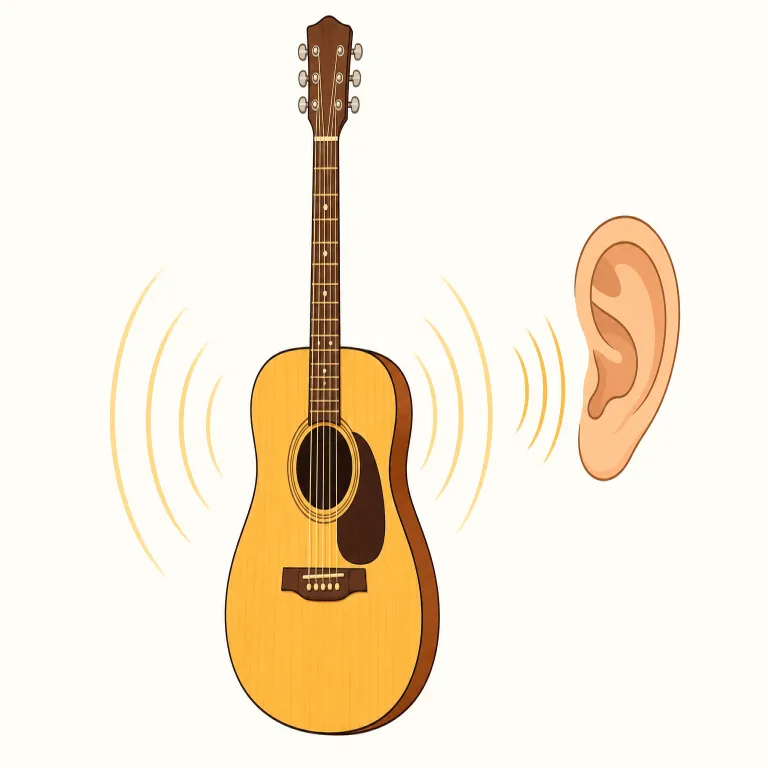
acoustic
acoustic は英検準1級・TOEFL 80・IELTS 6.5レベルの英単語で、「音響の、音の、アコースティックの」という意味があります。発音記号は /əˈkuːstɪk/ です。
音響の、音の、アコースティックの
解説 Definition
acoustic は、音や音の伝わり方・響きに関することを表す形容詞で、建物の音響特性や防音性について使われる。また、音楽では電子的な増幅を使わず、生の楽器の自然な音を生かした演奏や編曲を指す場合にも用いられる。
Acoustic means related to sound or the way sound travels. It is also often used for musical instruments that produce sound naturally, without electronic equipment.
覚え方のコツ Memory Tip
まず acoustic guitar を核に覚えると広がりやすい語です。music では electric guitar の反対側で、機械で増幅しない生の音のイメージ。そこから「音そのもの・音の響きに関する」へ広げると、acoustic design, acoustic panel, acoustic effects なども理解しやすくなります。名詞 acoustics = 音響学・室内音響 もセットで結ぶと定着しやすいです。hearing 能力そのものを言う語ではなく、音の性質や伝わり方に注目する語だと押さえると混同しにくいです。
Start with `acoustic guitar`, which many learners already know. That gives the idea of natural sound, without electric amplification. From there, `acoustic` expands to anything about sound and how it travels, like `acoustic design` or `acoustic panel`. Connect it with `acoustics` to remember the word family.
例文
The room is good for acoustic music.
その部屋はアコースティック音楽に向いています。
The band decided to perform an acoustic version of their song.
バンドは自分たちの曲をアコースティック版で演奏することにした。
We put acoustic panels on the studio walls.
私たちはスタジオの壁に吸音パネルを取り付けました。
acoustic の類義語・関連語
acoustic の語源・成り立ち Etymology
ギリシャ語 akoustikos(聴覚の)から。動詞 akouein(聞く)に由来する。a-(強調)+ kou-(聞く)が語根。同根語にacoustics(音響学)がある。「聞くことに関する」が原義で、音や聴覚に関する意味で使われる。
Acoustic comes from Greek akoustikos, meaning "of hearing" or "for hearing." It comes from the verb akouein, "to hear." The meaning later broadened from hearing itself to sound in general, which is why English also has acoustics for the science of sound.
同じレベルの英単語をもっと
英検準1級の一覧へ →外部辞書で調べる
この単語を英単語クイズで覚えよう