average
average はTOEIC 600レベルの英単語で、「平均、平均して〜になる、平均の」という意味があります。発音記号は /ˈævərɪdʒ/ です。
意味一覧 (3件)
平均
解説 Definition
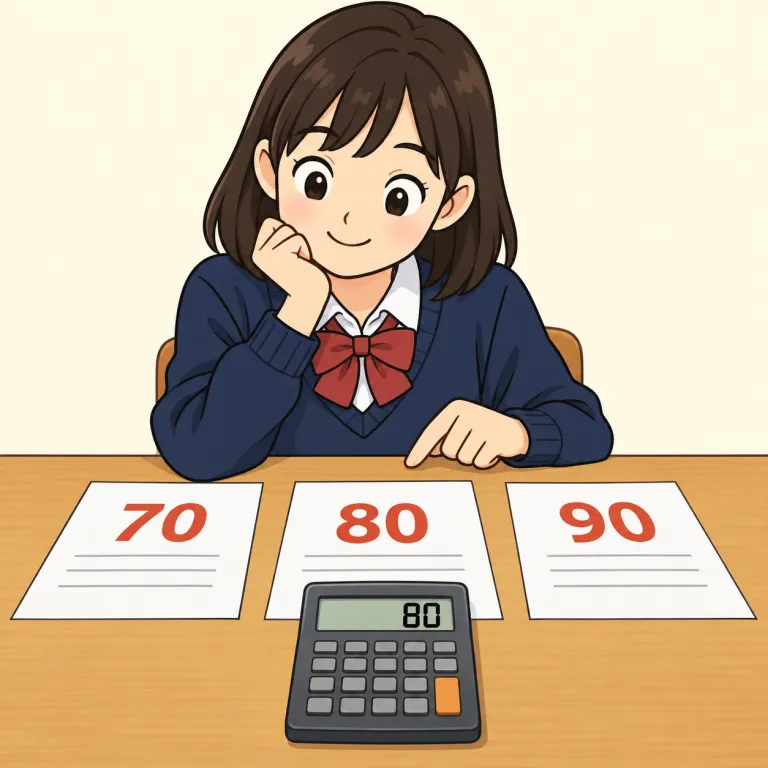
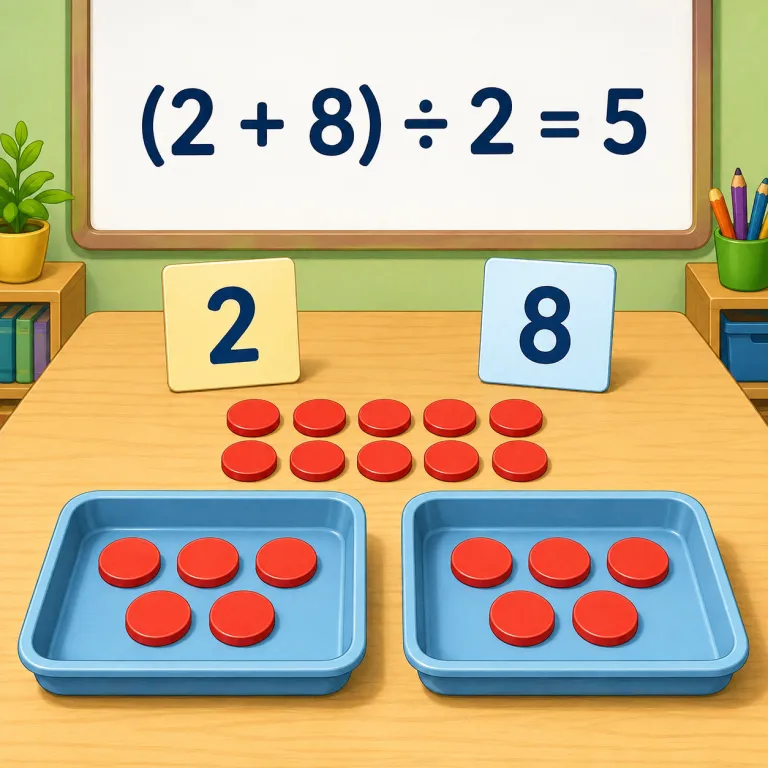
average は名詞で、複数の数値をならして得る代表値としての「平均」を指す。試験点、気温、収入などのばらつきを一つの水準にまとめ、集団同士や時期ごとの差を比べるための基準になる。
The average is the usual or typical level, amount, or standard in a group. In math, it often means the number you get by adding values and dividing by how many there are. It is used to compare one result with the general level.
覚え方のコツ Memory Tip
名詞の average は、ばらばらの数を一つの目安に圧縮した値です。The average of 10, 20, and 30 のように of で元になる数を示したり、class average, national average のように範囲を前に置いたりします。mean は統計・数学でより専門的、median は真ん中の値、total は足した総量。average は「全体をならした標準水準」と覚えると役割がはっきりします。
Keep "Shall we ...?" together as a soft way to invite someone. After that, the ending is easy to change: shall we watch a movie, shall we eat out, shall we go shopping. It sounds a little gentler than "Let's ...".
例文
The average of 10, 20, and 30 is 20.
10、20、30の平均は20である。
The class average on the final exam was 78 points.
期末試験のクラス平均点は78点だった。
Her salary is above the national average for her profession.
彼女の給与は、彼女の職業の全国平均を上回っている。
平均して〜になる
(意味 2)解説 Definition
数量や程度が、ならしてみるとある値や状態になることを表す動詞です。価格、点数、時間、人数などについて、全体を通して見た平均値を述べるときに使われます。
As a verb, "average" means to have a certain number or level when several amounts are added together and divided. It is used for things like prices, scores, time, temperature, or numbers of people. It focuses on the overall result, not on each single value.
覚え方のコツ Memory Tip
average はまず school average, average score, average temperature のように、数や結果をひとまとめにして『全体としてどのくらいか』を見る場面で覚えると定着しやすい。above average / below average までセットにすると、『平均そのもの』と『平均より上・下』の感覚がつながる。名詞では the average of A and B や on average が頻出。individual な1つの値ではなく、複数をならして代表値にしたものだと意識するとぶれにくい。
Think first of phrases like "school average," "average score," and "average temperature." They all show one number that represents a whole group of results. Learn "above average" and "below average" together, too, so you can connect the idea of the average with being higher or lower than it. Remember that an average is not one individual value, but a value made by smoothing several values together.
例文
The class averaged 82 points on the final test.
そのクラスは期末テストで平均82点だった。
The hotel averages about 200 guests a night during the summer.
そのホテルは夏の間、1晩あたり平均約200人の宿泊客になる。
Gas prices averaged $3.50 a gallon last month.
先月のガソリン価格は1ガロン平均3.50ドルだった。
平均的な、並の
(意味 3)解説 Definition
average は形容詞として、score, price, age など測れる名詞の前に置き、集団や期間から求めた平均値に基づくことを示す。「平均的な収入」「平均気温」のように、個々の差をならした基準として述べる場面に向く。
As an adjective, average describes a number or amount that is based on the total for a group or period divided in the usual way. It often comes before measurable nouns such as score, price, age, income, or temperature. It is useful when you want to talk about a general standard after smoothing out individual differences.
覚え方のコツ Memory Tip
average score は「平均というもの」ではなく、「平均点」という名詞修飾。後ろに来る名詞が、何をならした値なのかを決めます。average daily temperature なら日ごとの気温をならしたもの、average household income なら世帯収入をならしたもの。名詞 average の「平均」が、そのまま形容詞的に前から名詞を説明していると考えるとつかみやすいです。
In phrases like average score, average is not talking about “an average” by itself; it modifies the noun after it. That noun tells you what value has been smoothed out: average daily temperature means temperatures over days, and average household income means income across households. Think of the noun average, meaning a calculated middle value, being used before another noun to describe it.
例文
The average score on the test was higher than last year.
そのテストの平均点は昨年より高かった。
The average price of a hotel room in the city has increased.
その都市のホテル客室の平均価格は上がっている。
The report compares average household income across different regions.
その報告書は地域ごとの平均世帯収入を比較している。
average の語源・成り立ち Etymology
average はアラビア語 ʿawar「損傷」が中世ラテン語 avaria、古フランス語 avarie を経て入った語です。もとは船荷の損害を皆で割る海事用語で、avaria や avarie が同根。だから「平均」も、ばらつきをならして釣り合わせる発想から来ています。
Average came into English through medieval Latin and Old French from Arabic ʿawar, meaning "damage" or "defect." It was first a sea-trade term for shared loss when damage to cargo had to be divided among all. From this idea of balancing out unequal amounts, it later developed the modern sense of a middle value.
外部辞書で調べる
この単語を英単語クイズで覚えよう