practice
practice は英検5級・英検6級レベルの英単語で、「練習、診療所、慣行、慣習、実践」という意味があります。発音記号は /ˈpræktɪs/ です。
意味一覧 (3件)
練習、診療所
解説 Definition
「practice」は名詞で、上達のために繰り返し行う練習や稽古を表します。また、医師や弁護士などが専門職として行う業務や、その業務を行う診療所・事務所を指すこともあり、文脈によって意味が変わります。
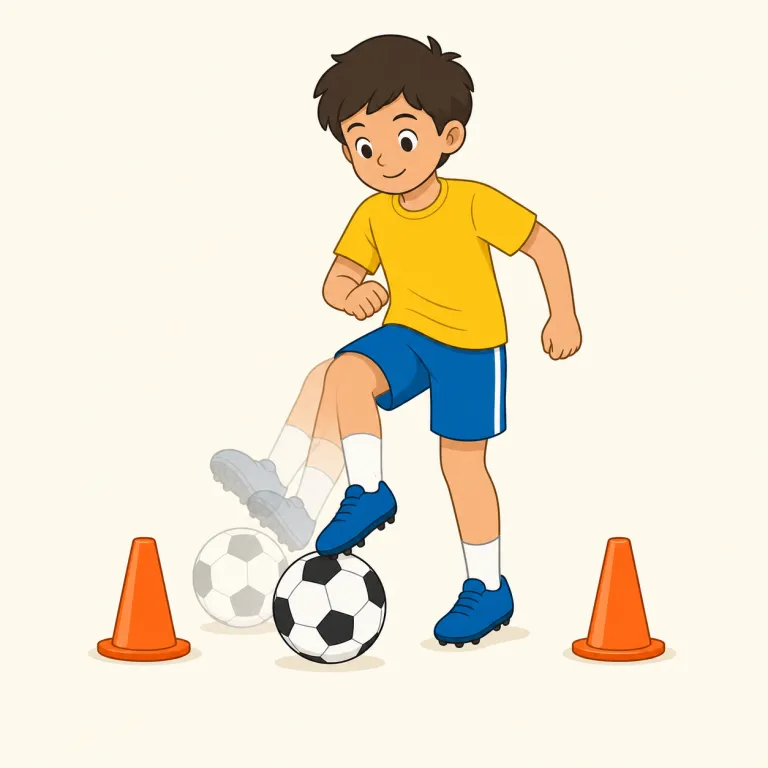
Practice is the activity of doing something again and again to improve your skill. It is commonly used for sports, music, language learning, and other abilities. In some formal contexts, it can also mean a doctor's or lawyer's professional business, but the learning meaning is more common.
覚え方のコツ Memory Tip
practice はまず practical(実用的な)や practise/practice(練習する)と結びつけると覚えやすい語です。核にあるのは「実際にやって身につけること」で、知識だけの study より手や体を動かす反復の感じが強め。a lot of practice, practice every day の形で定着させるとよいです。名詞ではさらに doctor’s practice のように「開業・診療所」の意味にも広がるので、「専門家が実際に仕事をしている場」とつなげるとブレにくくなります。
Connect `practice` with `practical` and the idea of doing something for real. It is more about repeated action than just reading or studying. Remember common patterns like `practice every day` and `a lot of practice`.
例文
Practice helps me play the piano better.
練習するとピアノが上手になります。
I need practice after school.
私は放課後に練習が必要です。
Our team has practice today.
私たちのチームは今日練習があります。
慣行、慣習
(意味 2)解説 Definition
ある集団や社会で、長く続いており普通のやり方だと見なされる行為や方法を指す名詞。法律、会社、地域社会などで一般的な慣行や古くからの慣習のように使う。良い習わしにも、改めるべき悪い慣行にも使える。
覚え方のコツ Memory Tip
practice は「実際に行われていること」と考えると、「慣行、慣習」の意味がつかみやすいです。ある社会や会社で何度も行われ、普通のやり方として定着したものが common practice や business practice。練習の practice は個人が反復して身につける感じですが、この語義では集団の中で反復されて固まったやり方に焦点があります。the practice of unpaid overtime のように、良い習わしにも悪い慣行にも使えます。
例文
It is common practice to tip taxi drivers there.
そこではタクシー運転手にチップを渡すのが一般的な慣行だ。
Our school stopped this old practice.
私たちの学校はこの古い慣行をやめました。
This practice dates back hundreds of years.
この慣習は何百年も前にさかのぼる。
実践
(意味 3)解説 Definition
考えや理論を、実際の行動や現場で使うことを指す名詞。in practice や put something into practice の形でよく現れ、理論ではなく実際にはどうかという対比を表す。練習という意味とは別で、現実の適用や実行に焦点がある。
覚え方のコツ Memory Tip
practice は「頭の中の理論を、実際の場でやってみること」と考えると「実践」の意味が残りやすいです。theory and practice は「理論と実践」の定番ペアで、in practice は「実際にやってみると」の感じ。練習の practice は上達のための反復ですが、この語義では反復よりも、考えや計画を現実の行動に移すことが中心です。put a plan into practice の形で覚えると使いやすいです。
例文
We put our plan into practice.
私たちは計画を実践に移しました。
The plan sounds simple in theory but difficult in practice.
その計画は理論上は単純に聞こえるが、実際には難しい。
I put my idea into practice.
私は自分の考えを実践に移しました。
practice の類義語・関連語
practice の語源・成り立ち Etymology
practice はギリシャ語 praktike、さらに prassein「行う」にさかのぼります。語根 pract-/prag- は「実際にやる」で、practical や pragmatic も同根。頭で知るだけでなく、行為を重ねて身につけることが practice の核心です。
"Practice" comes through Latin and French from Greek "praktike," based on a verb meaning "to do" or "to act." It shares its root with English words like "practical" and "pragmatic." The word developed from the idea of action in real life to the repeated doing that helps a person learn or improve.
同じレベルの英単語をもっと
英検5級の一覧へ →外部辞書で調べる
この単語を英単語クイズで覚えよう