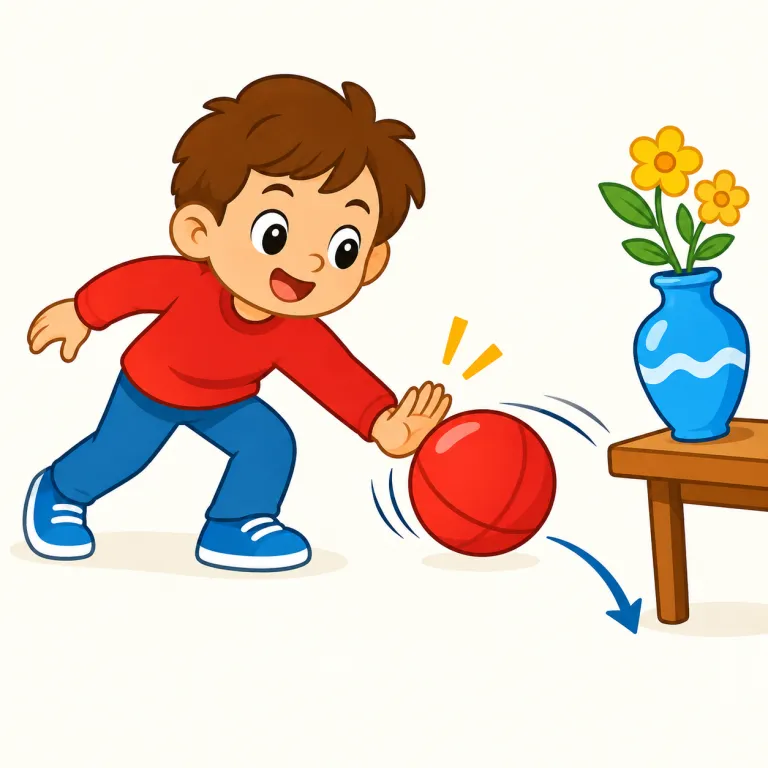
回避する
解説 Definition
averting は avert(回避する、防ぐ)の現在分詞・動名詞です。危険、事故、危機など望ましくない出来事を未然に避ける、または防いでいる場面で使われます。
The present participle and gerund form of avert, meaning preventing an undesirable event or turning something away from danger. It can describe prevention in progress or name the act of avoiding a crisis, accident, shortage, or similar outcome.
覚え方のコツ Memory Tip
原形 avert「危険などを防ぐ」に -ing をそのまま付けた現在分詞・動名詞で、語末の t は重ねない。ラテン語の構成は「離す」+「向きを変える」で、悪い結果の進路をそらすイメージ。be averting a crisis なら進行中、Averting accidents is ... なら「事故を防ぐこと」。目をそらす avert one's eyes も同じ核を持つ。
Begin with avert, “prevent or turn away,” and add -ing without doubling the final t: averting. Its central image is changing the direction of something so that danger does not arrive. Thus, “The repair was averting a failure” describes prevention in progress, while “Averting accidents is the goal” uses the form as a gerund. Associate it with common objects such as crisis, disaster, accident, shortage, and failure. The related expression “avert one’s eyes” preserves the physical idea of turning away, which helps explain how the verb developed its broader sense of preventing harm.
例文
The quick repair was averting a larger failure.
素早い修理が、より大きな故障を防いでいました。
Averting accidents is the main goal of the new rule.
事故を防ぐことが新しい規則の主な目的です。
The team focused on averting a supply shortage before winter.
そのチームは冬の前に供給不足を回避することに集中しました。
averting の類義語・関連語
averting の語源・成り立ち Etymology
averting は avert の進行形で、語源はラテン語 avertere「向きをそらす」。ab-「離れて」+ vertere「回す」から成り、「危険から顔をそむける」が「回避する」になった。関連語は divert, invert。
Averting is the -ing form of avert. Avert entered English from Latin avertere through French and Latin usage. Avertere combines ab-, “away from,” with vertere, “to turn,” so its basic meaning is “turn away.” English retains that physical idea in “avert one’s eyes” and extends it figuratively to turning away a threat or preventing an unwanted result. The same Latin root vertere appears in divert, invert, and reverse.
同じレベルの語彙をもっと
外部辞書で調べる
この英単語をクイズで覚えよう